
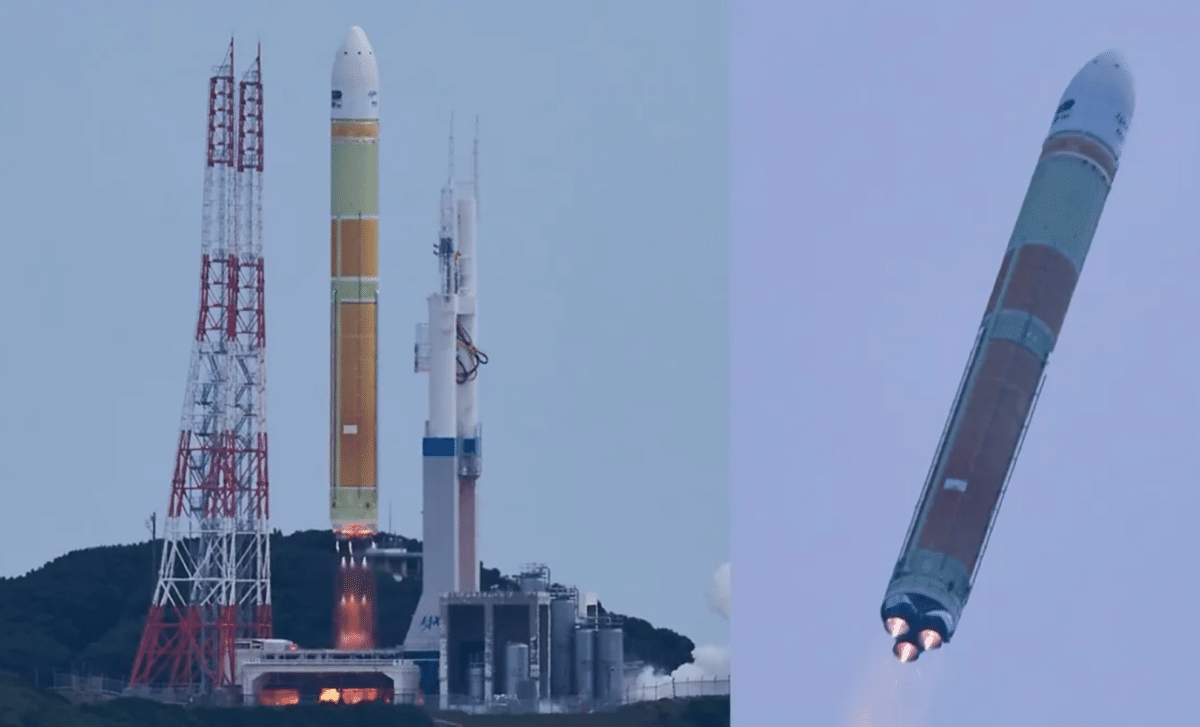
Japan's advanced launch initiative gained a significant boost with the recent flawless flight of the H3 rocket. Launched from the Tanegashima Space Center, this mission successfully placed six satellites into orbit, marking a major recovery following the prior unsuccessful attempt. This success fortifies Japan's leading launch technology and enhances its role in the competitive international space arena.
Japan’s Key Launch Vehicle Faces a Moment of Truth
This mission carried heightened importance beyond just sending satellites to orbit. It was the first deployment of the H3 rocket after the failed delivery of the Michibiki 5 navigational satellite in late 2024. That failure raised concerns regarding the credibility of this new launch system at a time when Japan aims to advance its space independence and competitiveness.
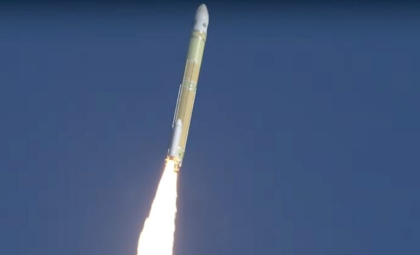
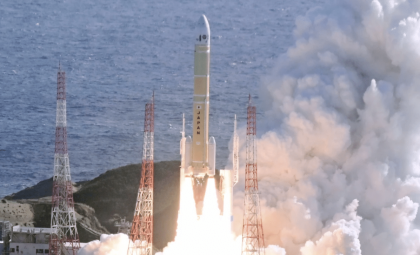
Taking off from Tanegashima Space Center just before midnight UTC, the rocket's ascent was intensively observed by engineers, officials, and commercial stakeholders. This flight also introduced the three-engine configuration of the H3, an essential milestone designed to prove the vehicle's capacity to support a wider variety of missions going forward. The success was critical both for validating post-failure technical adjustments and for demonstrating future mission versatility, as highlighted in related coverage.

The H3 rocket, a collaboration between JAXA and Mitsubishi Heavy Industries, was developed to succeed the outdated H-2A while lowering launch expenses and enhancing adaptability. Expected to form the cornerstone of Japan’s government, scientific, and commercial space launches, every successful mission has considerable strategic significance. This particular flight was widely seen as a decisive moment defining the trajectory of the program.
This launch resulted in exactly what Japan’s aerospace community anticipated: a seamless ascent, flawless stage separation, and precise deployment of all six satellites into their targeted orbits.
◤H3ロケット6号機
— JAXA種子島宇宙センター (@tnsc_JAXA) June 12, 2026
打上げ成功!✨◢#H3ロケット6号機 (30形態試験機)を本日9時53分59秒に種子島宇宙センターから打ち上げました🚀
30形態の初打上げ、多くの皆さまに見届けていただけていたら嬉しいです
ご支援ご声援ありがとうございました!
今後もH3ロケットの応援をよろしくお願いします#H3F6 pic.twitter.com/dOjHnEGwy9
Engineering Solutions Drive the H3's Recovery
The path to this triumphant launch involved months of detailed analysis and technical scrutiny. After the prior failure, teams meticulously examined telemetry, hardware, and operational data to pinpoint the exact cause. As per JAXA's findings, the failure originated from damage to the payload adapter. This flaw then triggered issues in the second stage, preventing the satellite's successful insertion into orbit.
These insights directed engineers toward effective remedies. Modifications were implemented, processes were refined, and rigorous testing ensued before the rocket was cleared for flight again. Thus, this return-to-flight mission functioned as a direct confirmation of those corrective measures.
The achievement indicates that the interventions worked well. In the launch industry, reliability built through proven performance is crucial for securing future contracts and mission opportunities. The success of the H3 launch signals regained momentum and bolstered trust in the program’s capabilities.
Moreover, the launch underscored the sophistication of Japan’s aerospace sector. Bouncing back from a public failure demands high-level technical know-how, organizational discipline, and a thorough willingness to learn. This successful mission highlighted Japan’s capacity to convert setbacks into progress.
Flawless Deployment of Six Distinct Satellites
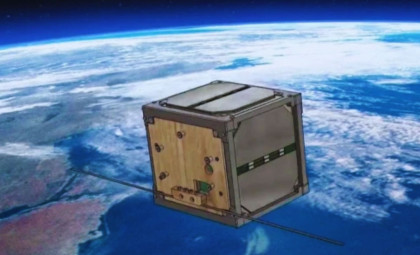
A key triumph of this flight was the on-target release of six separate payloads: PETREL, STARS-X, BRO-22, VERTECS, HORN-L, and HORN-R. Each satellite has a defined orbital function, and managing their deployment demands precise choreography throughout the mission.
From launch through stage separations to orbital insertion, mission controllers closely monitored the rocket’s progression. The deployment followed the script flawlessly, verifying the H3 rocket’s aptitude for complex multi-payload missions—a capability growing in importance as satellite operators seek economical space access.
Following the flight, JAXA highlighted the success:
“The rocket flew as planned, successfully placing the second stage into its designated orbit, and separating PETREL and STARS-X approximately 16 minutes and 4 seconds after launch,” the JAXA release said, and also confirmed the nominal separation of the BRO-22, VERTECS, HORN-L and HORN-R payloads.
This statement emphasized the mission’s technical accuracy. Each successful deployment reinforced the notion that the vehicle operated exactly as engineered. For prospective customers assessing launch options, such demonstrated reliability often carries more weight than promotional messages.
Beyond delivering six satellites into orbit, this flight substantiated that Japan’s next-generation rocket can handle demanding operations under intense oversight.
The Broader Impact on Japan’s Space Goals
The significance of this launch goes well beyond the immediate success. Japan’s sustained investment in ensuring autonomous launch capacity reflects a strategic commitment tied to national defense, research, communications, and economic growth. A reliable H3 vehicle is central to realizing these ambitions.
Worldwide demand for launch services continues escalating amid expanding satellite networks and increased government funding for space assets. The H3 aims to capture market share by combining flexibility with lower costs compared to earlier Japanese launchers. Each successful flight enhances its reputation and lays groundwork for expanded commercial engagement.
Public support was clearly evident following the event. The Tanegashima Space Center expressed gratitude, saying:
“Thank you for your support and cheers,” Tanegashima Space Center said in a post on X after the mission. “Please continue to cheer for the H3 Rocket going forward.”
This sentiment captures the launch’s broad meaning within Japan. The H3 is more than a rocket; it embodies extensive engineering dedication and national aspiration. Having overcome early hurdles, the launcher now shows it can successfully complete critical missions.
With six satellites deployed and renewed confidence in its operations, Japan’s space program advances with fresh momentum and clarity. The H3’s return to flight may well be viewed as the defining moment when it secured its place as the country’s premier vehicle for future space endeavors.
- Categories:
- Space


0 comments
Sign in to Comment