

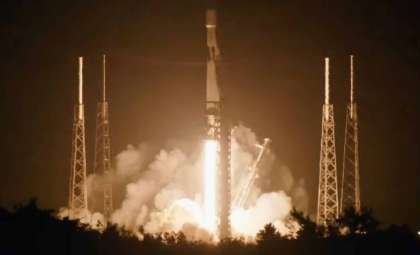
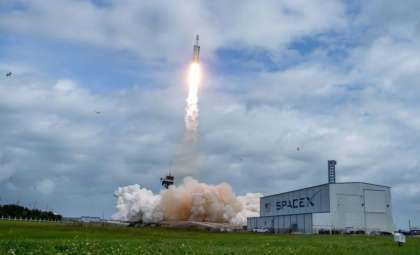
SpaceX has once again propelled its Falcon 9 rocket into orbit from NASA’s Kennedy Space Center, showcasing its resilience and technical prowess in spaceflight.
On July 27, 2024, this mission launched 23 Starlink satellites into low Earth orbit, marking the company’s first successful flight following an earlier upper-stage malfunction that resulted in the loss of 20 satellites.
This comeback launch highlights SpaceX's commitment to overcoming engineering obstacles and sustaining its leadership role in space innovation.

Resolving the Previous Malfunction
SpaceX encountered a major setback on July 11, 2024, when a Falcon 9 rocket suffered an upper-stage failure during a Starlink deployment due to a pressure sensor line crack within the liquid-oxygen system, causing a leak.
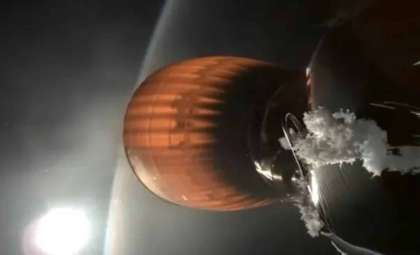
The leak triggered a "hard start" in the Merlin Vacuum engine, compromising the rocket’s steering and ultimately leading to mission failure. SpaceX promptly launched a detailed investigation to pinpoint the failure’s cause and implemented corrective actions.
Sarah Walker, director of Dragon Mission Management, noted, “The FAA gave us the final determination that they agreed with our conclusions and we are ready to return to flight.” This rapid resolution highlights the company’s rigorous safety processes and dedication to launch reliability.
Falcon 9’s Milestone Flight and Recovery Success
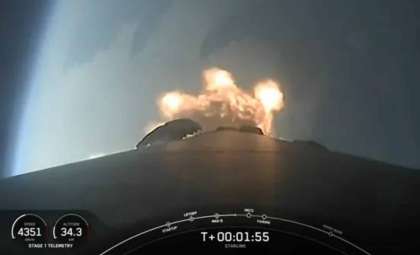
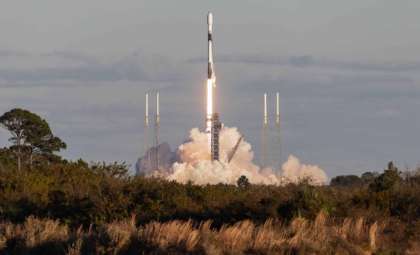
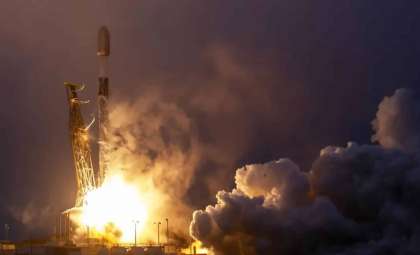
The July 27, 2024 launch represented a pivotal moment for SpaceX as it resumed flights following the earlier anomaly. The Falcon 9 lifted off at 1:45 a.m. EDT (0545 GMT) from Launch Complex 39A, delivering 23 Starlink satellites to their designated low Earth orbit.
This mission reaffirmed both SpaceX’s ability to swiftly rectify technical challenges and the dependability of the Falcon 9 vehicle, a key asset in its launch fleet. After completing its seventeenth flight, the Falcon 9’s first stage landed flawlessly on the drone ship "Just Read the Instructions" stationed in the Atlantic Ocean.
This successful recovery further emphasizes the value of SpaceX’s reusable rocket technology, which significantly decreases launch costs and enhances mission agility.
Impact on Upcoming Missions and Safety Assurance
The July 11 incident and its successful resolution carry important repercussions for SpaceX’s launch operations. The Federal Aviation Administration (FAA) performed a thorough evaluation and authorized the company to proceed with launches, confirming no public safety concerns remained.
Steve Stich, NASA’s Commercial Crew Program manager, stressed the importance of the company’s thorough review: “SpaceX has done a great job of going back to look at this area and any other areas on the vehicle that could’ve had the same problem.” This attention to detail is vital for managing complex systems like pressure sensors and rocket engines.
FAA approval is critical as SpaceX prepares for upcoming high-profile efforts, including crewed flights to the International Space Station and the ambitious Polaris Dawn mission, which will include the first commercial spacewalk. This prompt issue resolution not only safeguards mission safety but also enhances SpaceX's credibility as a trusted partner in both government and commercial space ventures.
Upcoming Launches and Future Horizons for SpaceX
Looking ahead, SpaceX’s schedule is packed with major launches underscoring the company’s growing influence in space exploration. The Crew-9 flight slated for August will continue vital support to the ISS through supplies and research payloads. Alongside the anticipated Polaris Dawn mission, these undertakings highlight SpaceX’s expanding role in human spaceflight and commercial space endeavors.
Successful redeployment of the 23 Starlink satellites not only advances global broadband ambitions but also demonstrates SpaceX’s resilience and innovative spirit. Despite setbacks, each mission pushes forward space technology and exploration frontiers. As SpaceX refines its systems and broadens capabilities, the outlook for space exploration remains bright, with exciting milestones on the horizon.






0 comments
Sign in to Comment