
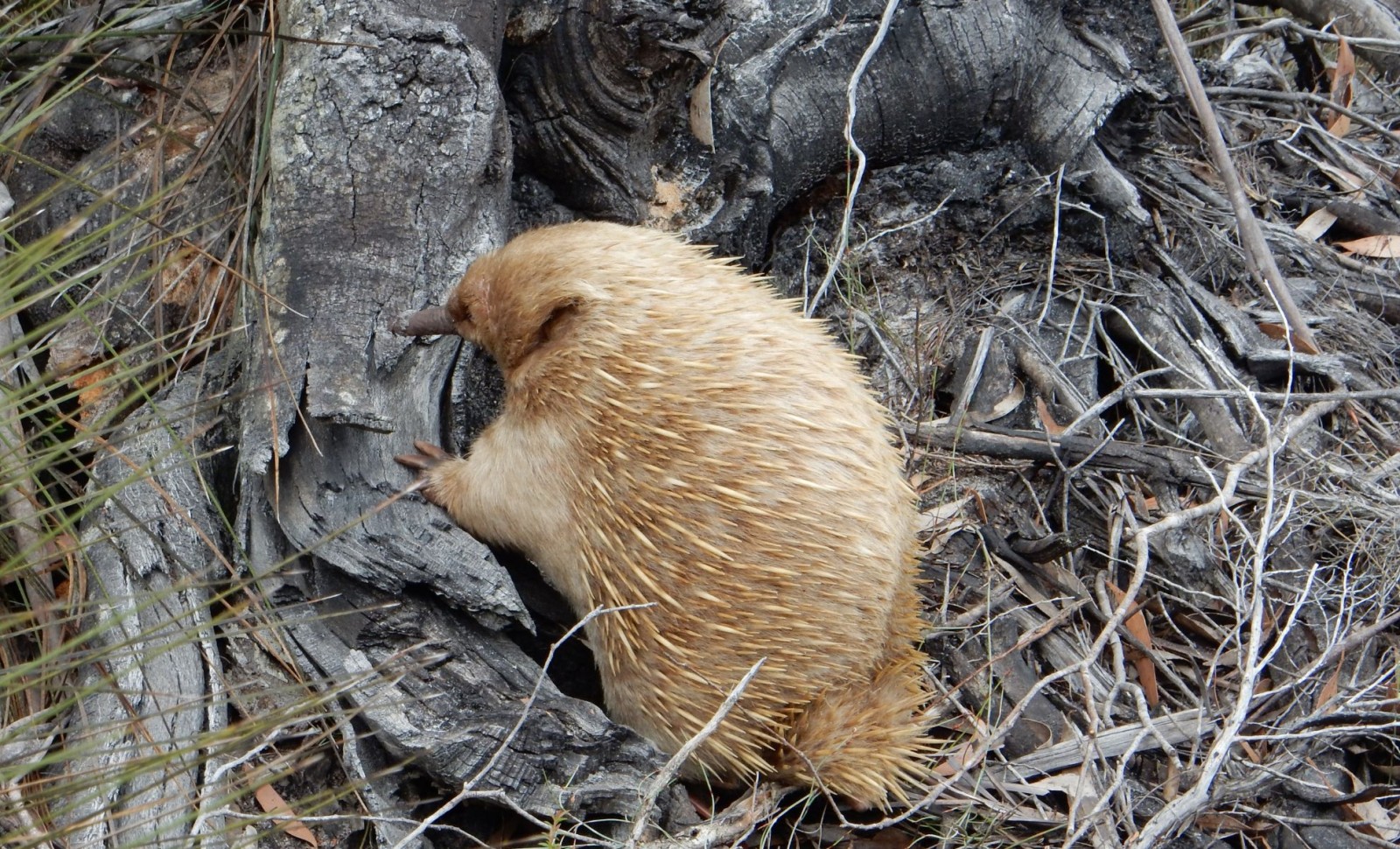
Wildlife enthusiasts worldwide were thrilled by the discovery of an extraordinary alpino echidna with unusually light fur and golden spines. This rare specimen was recorded by filmmaker Taylor Jamii in the pristine ecosystem of Cradle Mountain National Park in Tasmania. The creature’s pale coloration is attributed to genetic mutations, making this sighting particularly remarkable. Jamii described encountering the echidna as comparable to spotting a "once-in-a-lifetime Pokémon."
Echidnas are typically recognized by their brown, spiny coats, but this unique albino version has captivated attention by highlighting Australia’s diverse and sometimes unusual wildlife. This finding also emphasizes the occurrence of rare genetic traits in the region’s fauna.
A Unique Encounter in Tasmania’s Wilderness
The elusive albino echidna was captured on footage during an extensive search in Cradle Mountain National Park, celebrated for its breathtaking landscapes and rich biodiversity. After a persistent search lasting more than six hours, Jamii’s team finally spotted the pale echidna moments before leaving the park.

“Just as we left the national park feeling defeated by these elusive little creatures, we spotted none other than a rare blonde echidna,” Jamii shared in her Instagram post.
As naturally solitary and secretive animals, echidnas are notoriously hard to observe in their habitat. Typically sporting brownish spines with lighter shades, this pale individual stood out distinctly. Filming such a rare creature was described by the filmmaker as an extraordinary privilege.
“I’ve never played Pokémon but if I did, I imagine this is what finding a Mew feels like.” She added. “Needless to say, I whipped out my zoom lens faster than I ever have in my life, to film this little one rolling around the scrub and eating his dinner. What. A. Day.”
Monotremes: The Unique Egg-Laying Mammals of Australia
Echidnas are part of the distinct monotreme group — mammals that lay eggs — alongside the platypus. These creatures are distinguished by their reproduction, which involves laying eggs instead of live birth, a rare trait among mammals. Monotremes are native exclusively to regions such as Australia and New Guinea, having evolved in isolation for millions of years.
In nature, echidnas tend to be elusive, often retreating into burrows to evade predators. Even though they lack sharp defensive claws, their strong digging ability helps them remain safe from threats.
“We’re finding that people are becoming more responsible around native wildlife,” John Grant, a representative from the local wildlife rescue organization WIRES, told the ABC. “They know to keep their distance … and keep any animals you have contained. It’s best just to leave them alone.”
Understanding the Genetics Behind Its Color
The distinctive pale or white coloring seen in this echidna is probably due to genetic traits such as albinism or leucism. Albinism causes an absence of melanin pigment, leading to an entirely white appearance, whereas leucism results in a partial reduction of pigmentation, producing lighter shades in the fur or spines.
These genetic variations are exceptionally uncommon in echidnas, with just a few documented cases over the years. Scientists note that such rare colorations are especially intriguing given the species’ usual dark and spiky coat.
- Categories:
- Nature












0 comments
Sign in to Comment