
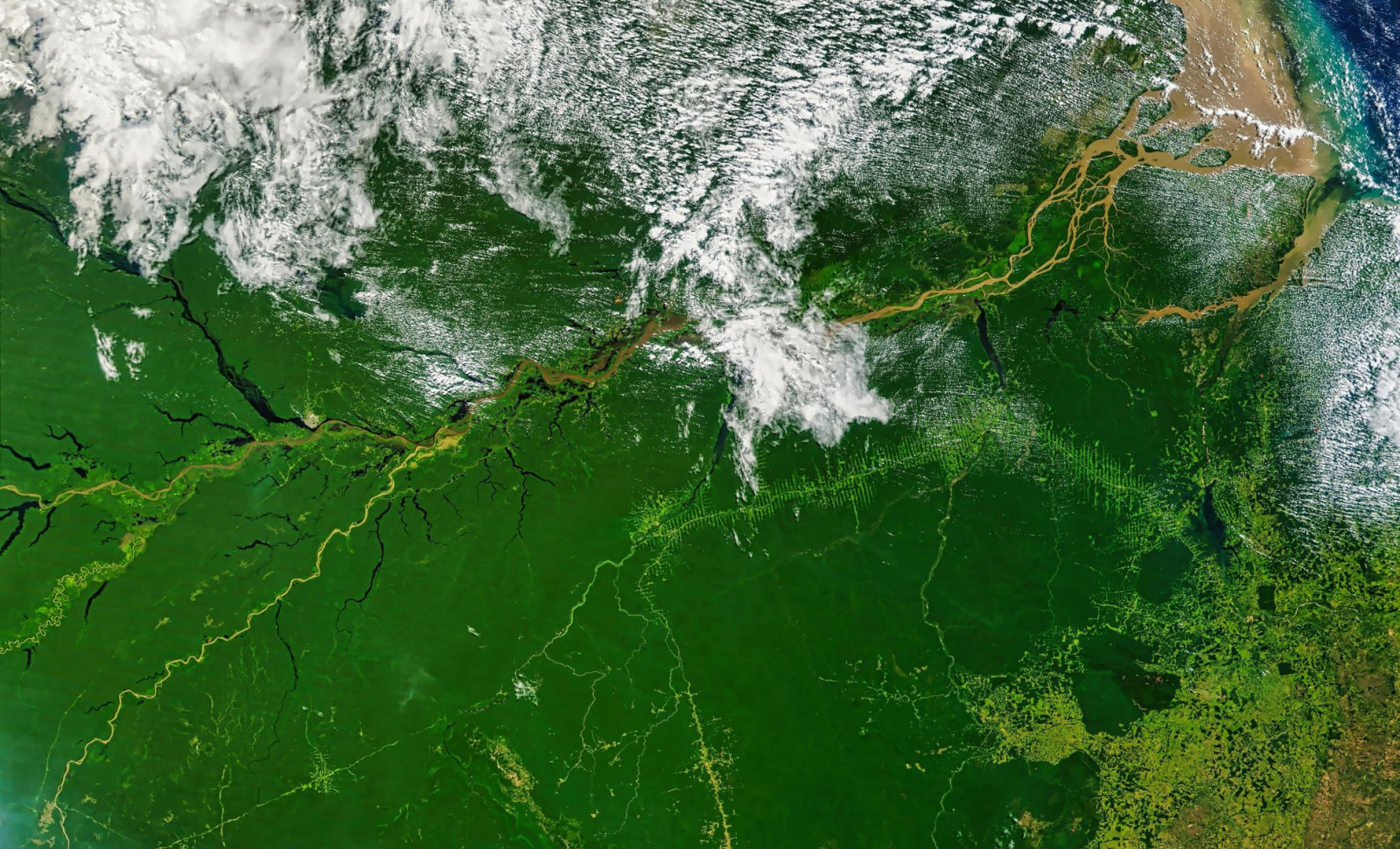
The Amazon rainforest is undergoing an unprecedented change. Recent findings reveal that it is entering a newly defined hypertropical phase, a climatic state not observed on Earth for millions of years, driven by soaring temperatures and intensifying drought conditions.
Published in Nature, the research draws on over thirty years of comprehensive fieldwork across the Amazon. The international team of scientists report that this transition is already altering the forest’s ecology. Signs of tree stress are increasing, carbon sequestration rates are declining, and the delicate ecosystem dynamics of this vital region are shifting in unpredictable ways.
Rising Occurrence of Severe Droughts Worldwide
Severe hot droughts, once infrequent, are now becoming a regular component of the Amazon’s climate cycle. These droughts combine elevated temperatures with depleted soil moisture, exerting significant pressure on the vegetation.

“When these hot droughts occur, that’s the climate that we associate with a hypertropical forest, because it’s beyond the boundary of what we consider to be tropical forest now,” said Jeff Chambers of the University of California, Berkeley, one of the lead researchers.
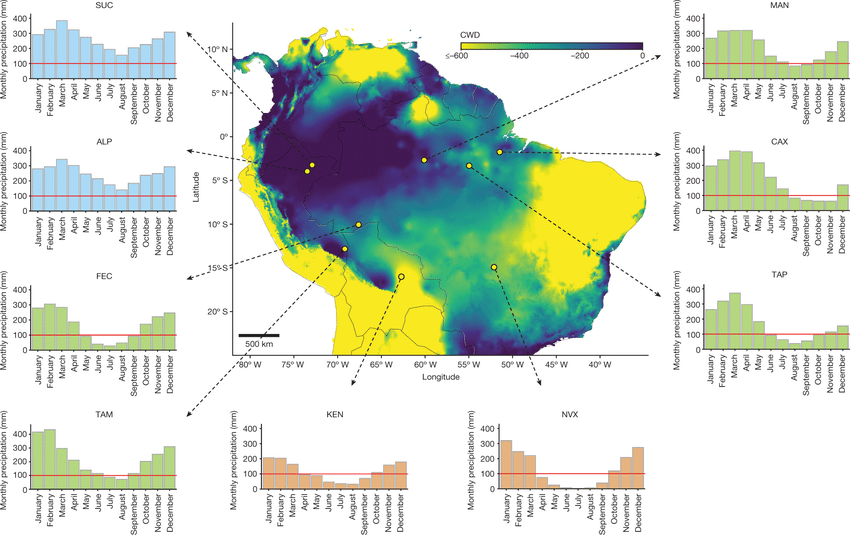
The researchers coined the term hypertropical to describe a novel ecological condition for which there is no current equivalent. This shift is substantiated by direct field evidence showing trees under duress from prolonged heat and water shortages. The Nature study also notes that drought episodes are now occurring even during what are traditionally the wet seasons, disrupting the established rhythms critical for forest health.
Accelerated Tree Mortality
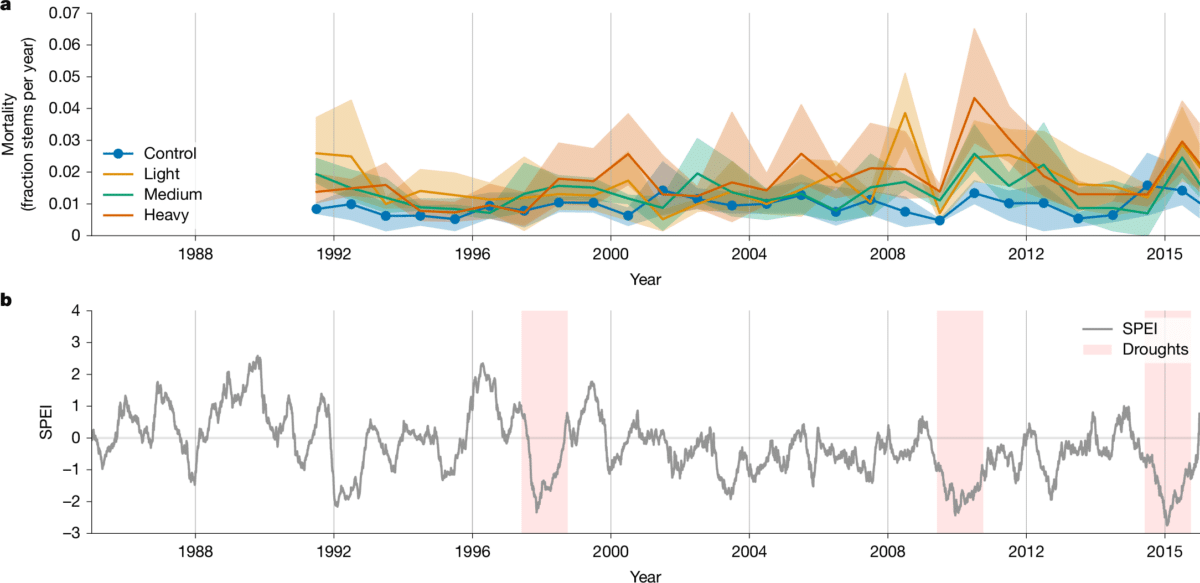
The worsening droughts reveal the forest’s growing fragility. Tree mortality rates are climbing due to two key physiological failures. The first is hydraulic failure, where air bubbles block the tree’s water transport vessels. The second is carbon starvation, occurring when trees shut their leaf pores to minimize water loss but consequently reduce photosynthesis.
Data from the field demonstrates that fast-growing species with lower wood density are particularly susceptible.
“We showed that the fast-growing, low wood-density trees were more vulnerable,” Chambers noted.
These trees are essential components of secondary forests, making those ecosystems especially vulnerable to drought impacts. The consequences extend beyond individual trees, reshaping forest composition and undermining overall ecosystem resilience.
Potential Loss of the Amazon’s Carbon Absorbing Capacity
One alarming repercussion concerns the Amazon’s function as a major climate moderator. Historically acting as a vast carbon reservoir, the rainforest has absorbed significant atmospheric CO₂. However, with increasing tree fatalities and accelerated decomposition, this balance is shifting. Under the stress of hypertropical conditions, sections of the forest may begin releasing more carbon than they sequester, exacerbating climate change.
The investigation focused on two drought-impacted regions that experienced major El Niño events in 2015 and 2023. Although separated by time and location, both sites surpassed critical water stress thresholds. This pattern indicates that the issue is widespread rather than isolated, with researchers cautioning that similar hypertropical transformations could emerge in tropical zones across Africa and Asia.
“It all depends on what we do,” Chambers stated. “It’s up to us to what extent we’re actually going to create this hypertropical climate.”
Without urgent efforts to reduce greenhouse gas emissions, these intensified conditions risk becoming permanent, potentially altering the world’s largest rainforest irreversibly.
- Categories:
- Nature







0 comments
Sign in to Comment