

Fructose, a sugar commonly present in fruits, has traditionally been viewed as a harmless sweetener. Yet, new findings from Washington University challenge this view, revealing that diets high in fructose can significantly accelerate tumor growth, sometimes more than doubling it, without changing body weight, blood glucose, or fasting insulin levels in test subjects.
This discovery is particularly concerning given the steep rise in fructose consumption over the last hundred years. In the U.S. alone, fructose intake has surged fifteenfold since the early 20th century, mainly driven by the widespread use of high-fructose corn syrup in heavily processed foods and drinks.
The research underscores the importance of being cautious about added sugars in foods. While natural fructose from fruits has health benefits, excessive intake from processed foods might pose serious health threats. This issue is compounded by other additives; for instance, synthetic dyes in many snacks also carry potential dangers.

New research from Washington University shows that high fructose corn syrup can promote tumor growth.
— Rep. Andy Harris, MD (@RepAndyHarrisMD) December 6, 2024
Another reason we should limit non-nutritious high fructose corn syrup sodas and foods from the food stamp (SNAP) program.https://t.co/ZiPblpIeVw
Decoding How Fructose Encourages Cancer Growth
The investigators uncovered a surprising mechanism behind fructose’s role in cancer proliferation. Early experiments showed that cancer cells grown alone in laboratory conditions didn’t respond to fructose exposure directly. This led researchers to examine the body's complex metabolic pathways more closely.
Professor Gary Patti, an expert in chemistry and medicine at Washington University, outlines the process:
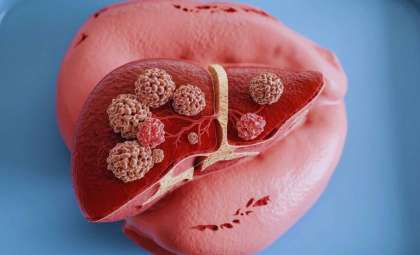
- Fructose is first metabolized by the liver
- Liver cells transform fructose into nutrients useful for tumors
- These nutrients, mainly lipids, enter the bloodstream
- Cancer cells absorb these lipids to fuel their accelerated growth
This indirect mechanism highlights how dietary components that seem innocent can be metabolically converted within the body to promote cancer development. Published in Nature, the study identifies lysophosphatidylcholines (LPCs) as critical lipids generated from fructose metabolism that support tumor expansion.
Consequences for Cancer Prevention and Therapies
The research holds major implications for cancer prevention and care. While more investigations are necessary to fully dissect the link between dietary fructose and cancer risk, the existing data suggest that reducing consumption of added fructose is a wise preventive strategy.
For cancer patients, minimizing added fructose is likely beneficial, albeit difficult due to the abundance of sweeteners in many foods, as Professor Patti points out.
This study also opens potential new treatment pathways. Scientists aim to develop therapies that inhibit the liver’s conversion of fructose into tumor-promoting molecules. Such interventions could enhance current cancer treatments and patient prognoses.
It’s important to remember that fructose is only one factor; other developments, such as innovative blood tests detecting cancers prior to symptom onset, provide complementary tools for early cancer management.
Fructose is a ubiquitous dietary ingredient and can fuel tumors. However, cancer cells lack enzymes to break down fructose, but liver cells can convert fructose into circulating LPCs, which enhance tumor growth through a cell non-autonomous mechanism. https://t.co/nRxHjislNN
— Dr. Ron DePinho (@RonDePinho) December 8, 2024
Choosing a Healthier Diet Amid Pervasive Sugar
These revelations emphasize the importance of monitoring sugar intake, especially from highly processed food items. Below is a practical guide to help cut down on added sugars:
It's essential to recognize that not all sugars are equal. Natural sugars in whole fruits come with beneficial fiber, vitamins, and antioxidants that contribute positively to health, unlike added sugars in processed products.
Consumers should also be vigilant about other harmful additives in processed foods. For example, the FDA recently banned the Red 3 food dye due to safety concerns, underscoring the importance of reading labels carefully and favoring whole, unprocessed foods.
As scientific understanding of diet-related health risks evolves, individuals are empowered to make wiser nutritional choices. Cutting back on added sugars and embracing balanced, whole-food diets can help protect health and may reduce the chance of developing cancer and other chronic illnesses.
- Categories:
- Health










0 comments
Sign in to Comment