
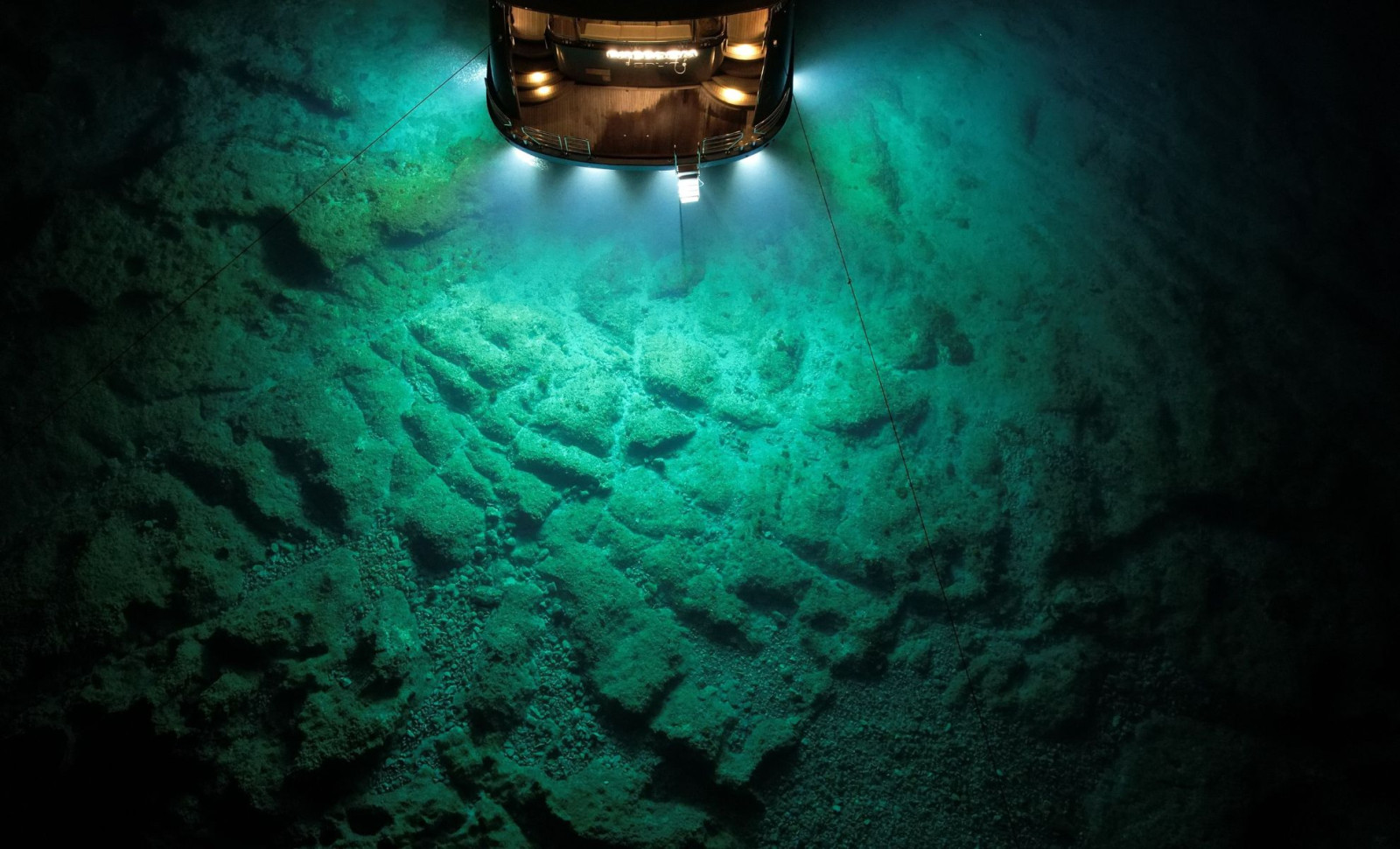
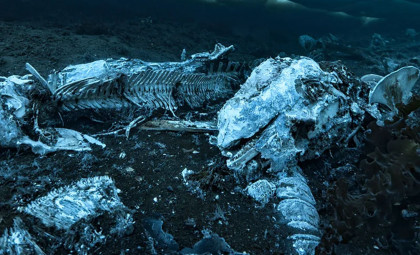
Researchers have located the world's most extensive whale burial site on the seafloor of the Indian Ocean. This vast area harbors hundreds of whale skeletons, some millions of years old, alongside thriving deep-sea communities that depend on these colossal remains.
This remarkable finding was achieved by a team of Chinese scientists using the manned submersible Fendouzhe during multiple missions in 2023. Their analysis, published in Nature, uncovers a spectacular concentration of whale fossils spread over a broad region off Australia's western coast.
Beyond just the sheer magnitude, the site is notable for containing fossils estimated to be approximately 5.3 million years old and for the diverse marine organisms inhabiting the area. Among the discoveries was a newly identified extinct whale species documented among the hundreds of skeletal remains.

Unveiling a 1,200-Kilometer-Long Underwater Necropolis
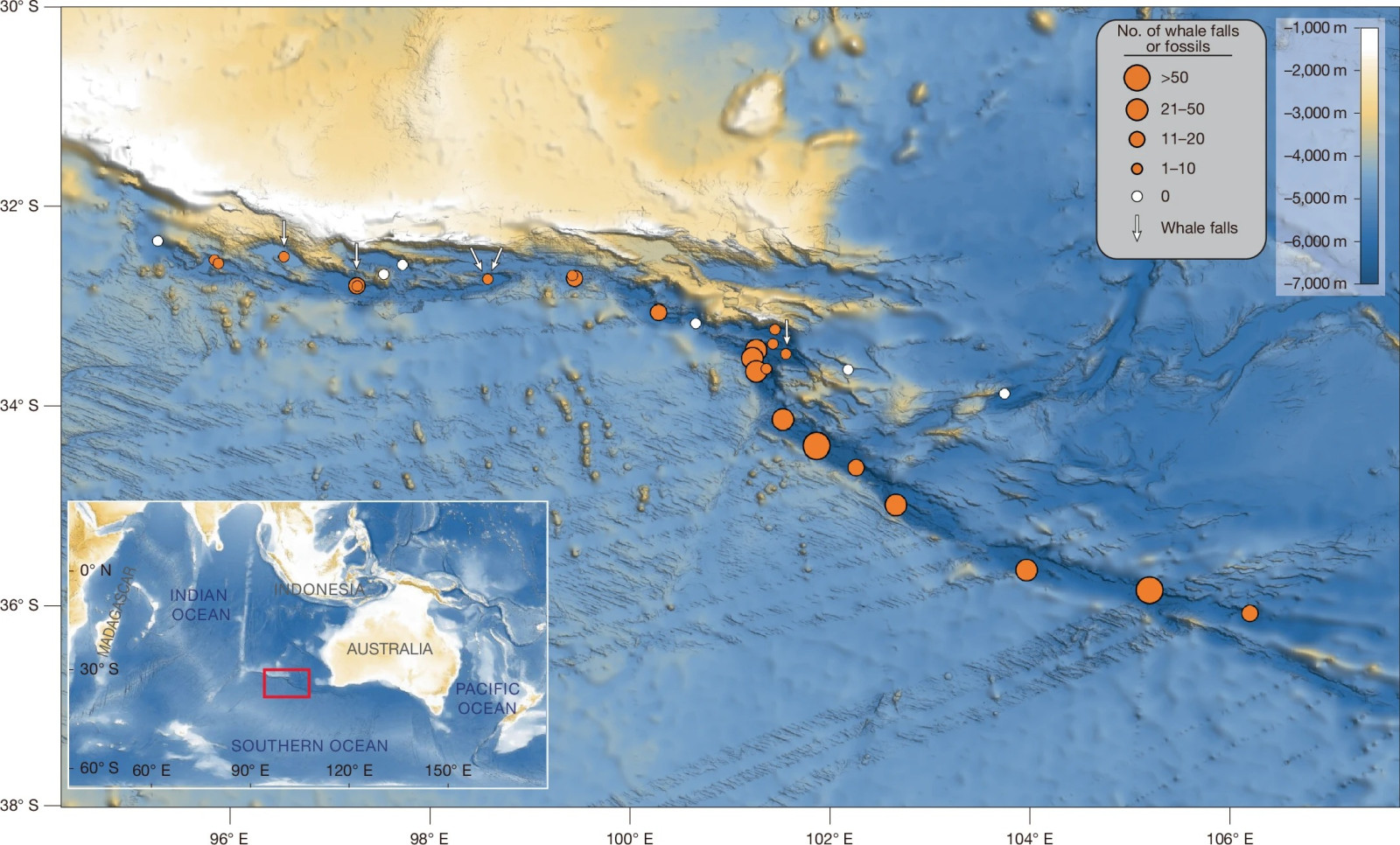
Situated in the Diamantina Zone of the Indian Ocean, this remote location west of Australia was explored through 32 dives by the Fendouzhe submersible, reaching depths of up to 7,000 meters and collecting samples with robotic manipulators.
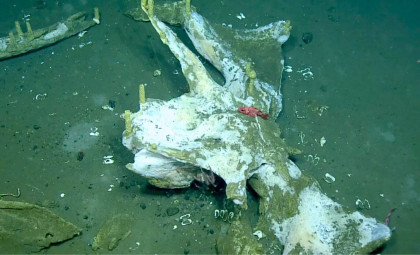
The researchers detailed in Nature that they identified 485 whale fossils and whale-fall sites stretching across an underwater corridor about 1,200 kilometers in length. Most remains belonged to several beaked whale species.
The enormity of the site was a revelation for the scientists. Lead researcher Xiaotong Peng from the Chinese Academy of Sciences expressed to AFP their sense of being “astonished” at the discovery.
“But discovering a necropolis of this scale was completely unexpected,” Peng said. “The size of distribution, the depth and the age range were far beyond anything we had imagined.”
Among the fossils, researchers identified a previously unknown extinct whale species.
A Thriving Ecosystem Sustained by Whale Corpses
Contrary to being barren, the site supports an astonishing array of marine life. Whale falls are known to provide essential nutrients in the deep ocean, but the scale observed here is unprecedented.
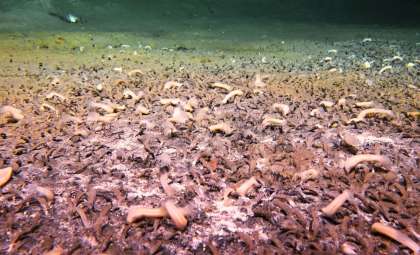
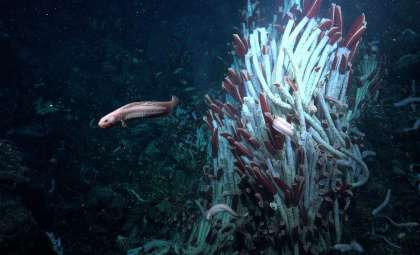
AFP reports that the team witnessed species such as jellyfish, brittle stars, bone-boring worms, and bivalves thriving on and near the whale remains. Several of these creatures may represent species new to science. Co-author Peng Zhou called the dive experience unforgettable.
“The vibrant ecosystems we saw offered a completely different perspective on this otherwise dark and cold ocean floor,” he said.
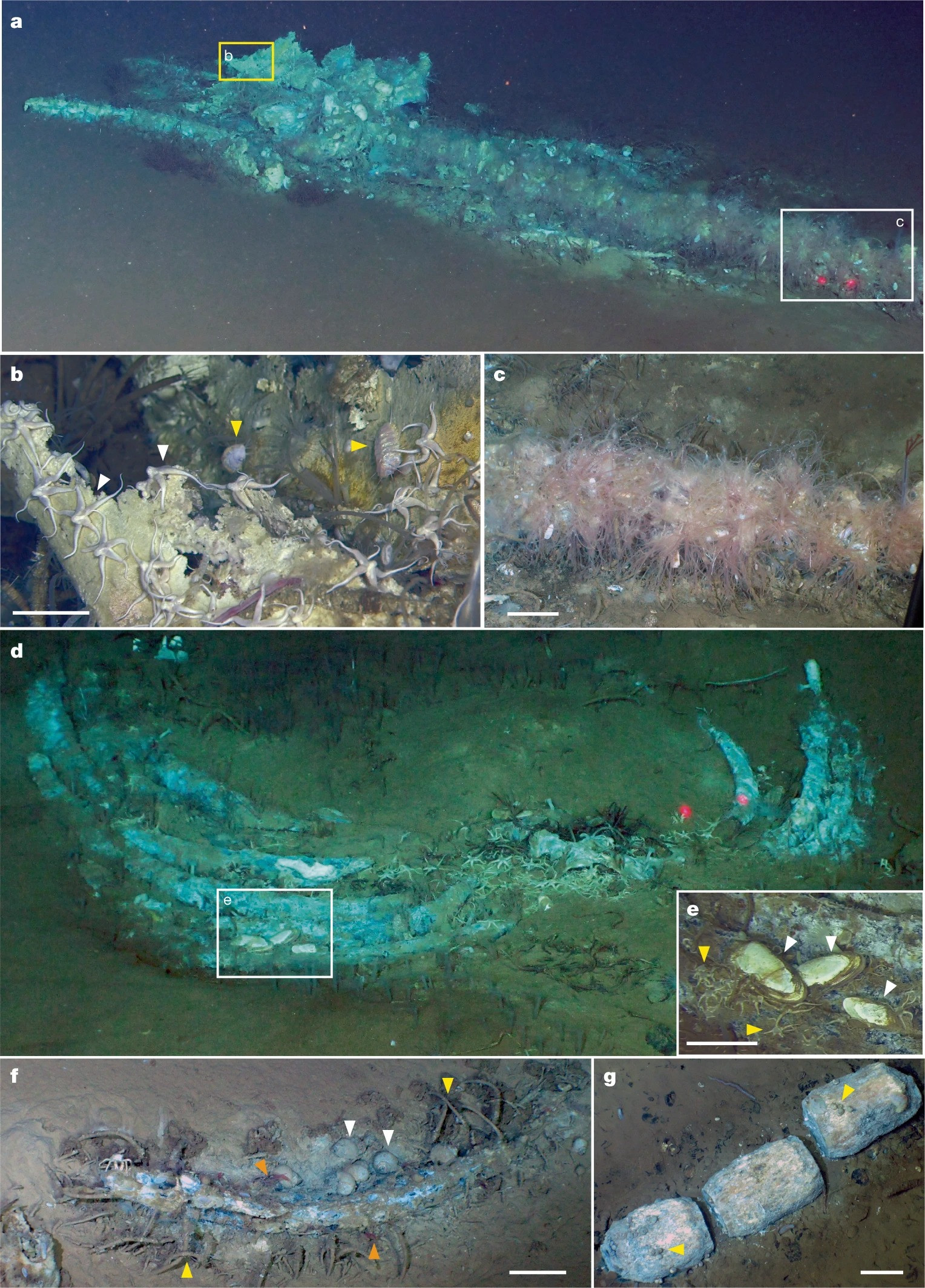
The researchers also noted that some organisms inhabiting the whale fall zone are typically linked to hydrothermal vent and cold seep environments.
As highlighted in the publication, these results support the idea that whale falls serve as evolutionary hotspots for species reliant on sulfide metabolism in the deep ocean.
Potentially Millions More Whale Remains Await Discovery
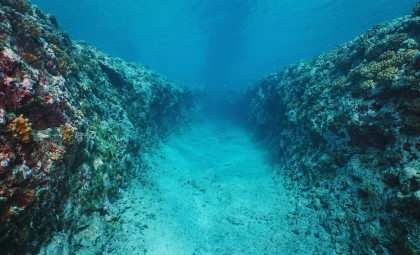
Scientists hypothesize that the region acts as a natural aggregation area for whale corpses. It is a vital feeding ground for whales, and a distinctive V-shaped trench may channel deceased animals to the ocean floor.
Based on fossil densities observed, the study estimates over 10 million whale skeletons might be dispersed throughout the broader Diamantina Zone. Lead author Xiaotong Peng calculated that the soft tissues and lipids from these carcasses could amount to approximately 6.7 million tonnes of stored carbon.
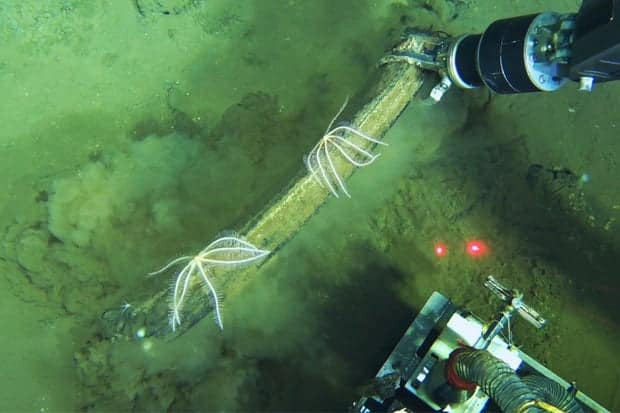
The study’s revelation has amazed experts beyond the expedition team. Craig Smith, an oceanographer from the University of Hawaii who first discovered a whale fall in 1987, described the volume of fossil whale fall sites uncovered as “truly amazing.”
- Categories:
- Science

0 comments
Sign in to Comment