
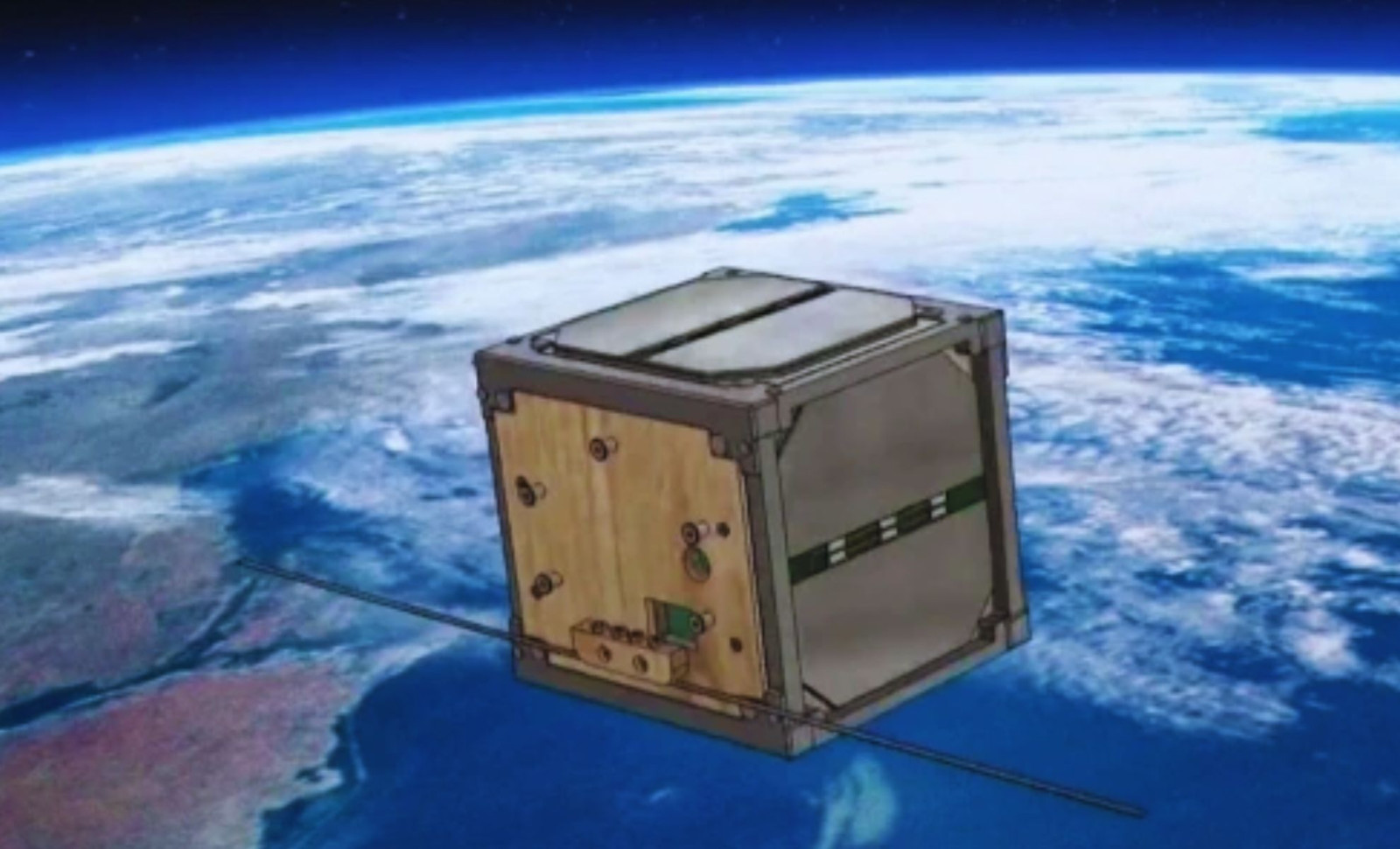
Japan is set to deploy the first-ever wooden satellite, called LignoSat, before the end of the year. Crafted from honoki magnolia wood, this innovative spacecraft aims to address the escalating problem of space debris, particularly the aluminum remnants left behind when conventional metal satellites disintegrate during atmospheric re-entry.
Created through a partnership between Kyoto University researchers and Sumitomo Forestry, the LignoSat initiative investigates using sustainable, biodegradable materials as alternatives to the traditional metal components used in satellites.
Testing Wood's Resilience Beyond Earth’s Atmosphere
While using wood in satellite design might sound unconventional, it’s backed by promising scientific evidence. Project leader Koji Murata cites earlier studies, including one published in Earth, Atmospheric, and Planetary Sciences, demonstrating that certain wood types withstand the tough environment of space effectively.

Wood samples exposed to space conditions aboard the International Space Station (ISS) for almost a year showed minimal deterioration. Murata explains this durability results from the absence of oxygen and biological organisms in space, which typically cause wood decay on Earth.
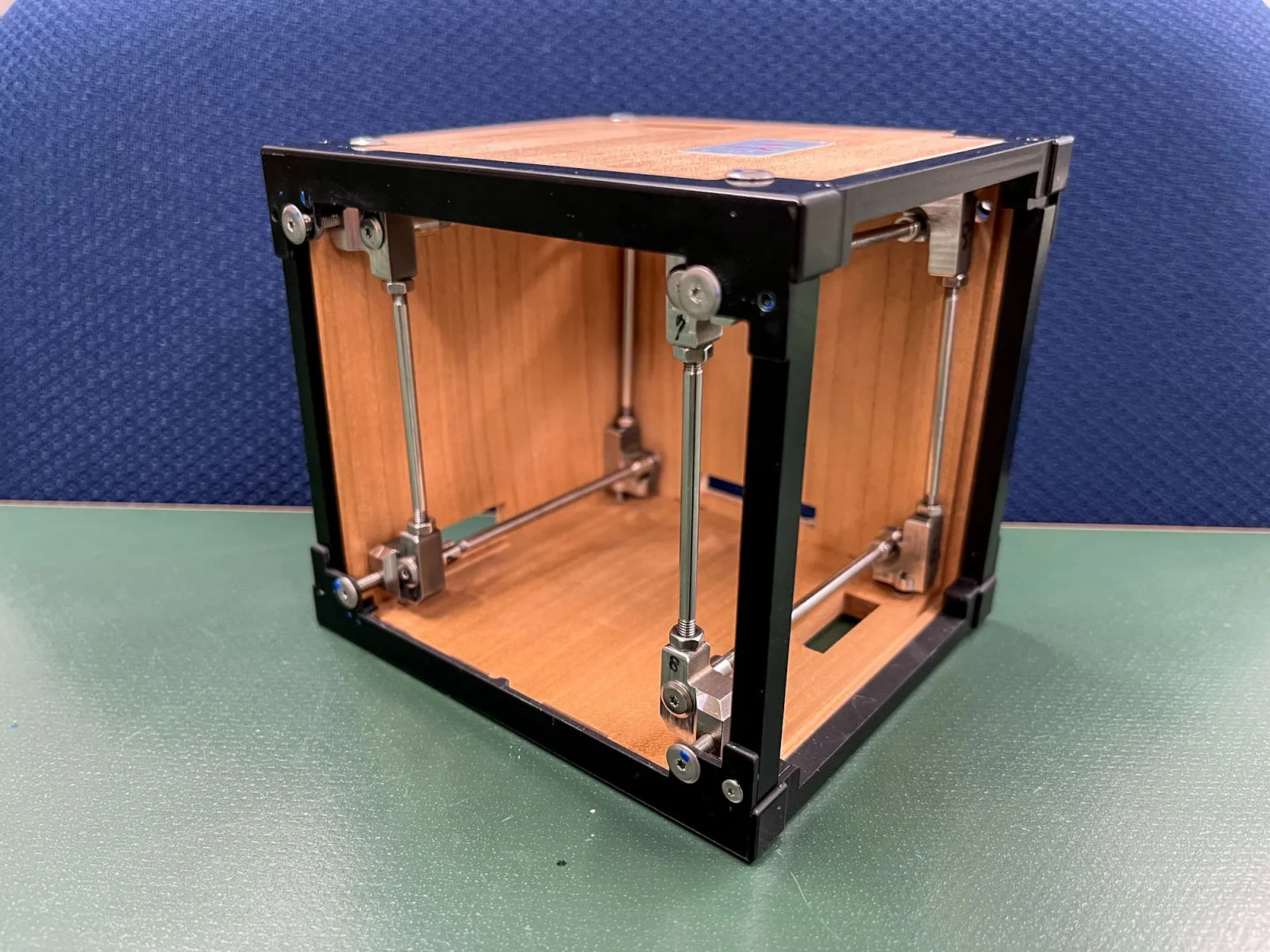
Once operational, LignoSat will undergo extensive trials to study wood’s performance under extreme temperatures, radiation, and vacuum conditions. According to NASA, the satellite's construction includes:
“The final design used 10 cm long honoki magnolia wood panels assembled with a Japanese wood-joinery method.”
Tackling Space Pollution from Satellite Debris
LignoSat’s primary environmental mission is to mitigate contamination caused by space junk, focusing on aluminum dust released during spacecraft re-entry into Earth’s atmosphere. These particles linger in the upper layers for years, posing environmental risks. Japanese astronaut and aerospace engineer Takao Doi remarks:
“All the satellites which re-enter the Earth’s atmosphere burn and create tiny alumina particles, which will float in the upper atmosphere for many years.” He added, “eventually, it will affect the environment of the Earth.”
Murata highlighted that monitoring the wooden structure’s deformation in orbit is a key objective of the mission.
“Wood is durable and stable in one direction but may be prone to dimensional changes and cracking in the other direction,” he explained.
Should LignoSat succeed, it could open the door to biodegradable materials becoming standard in future satellite manufacturing.

- Categories:
- Space












0 comments
Sign in to Comment