
On Friday, June 12, 2026, Gwynne Shotwell, president and COO of SpaceX, joined her team at Nasdaq MarketSite in New York to celebrate the company’s initial public offering debut. Within hours, this move transformed SpaceX from a top-secret private venture into a public titan valued at $2.1 trillion.
Trading began near noon with shares priced at $150, soaring to nearly $168 before settling just below $161 by market close, according to the Associated Press. This closing valuation placed SpaceX as the sixth largest U.S. public company, surpassing Tesla’s market cap.
The IPO also allowed thousands of employees and veterans of the company to realize substantial wealth, with over 4,400 individuals projected to become millionaires and nearly 400 crossing the $100 million wealth threshold, as reported by the New York Times.

SpaceX IPO Sets New Wall Street Benchmark
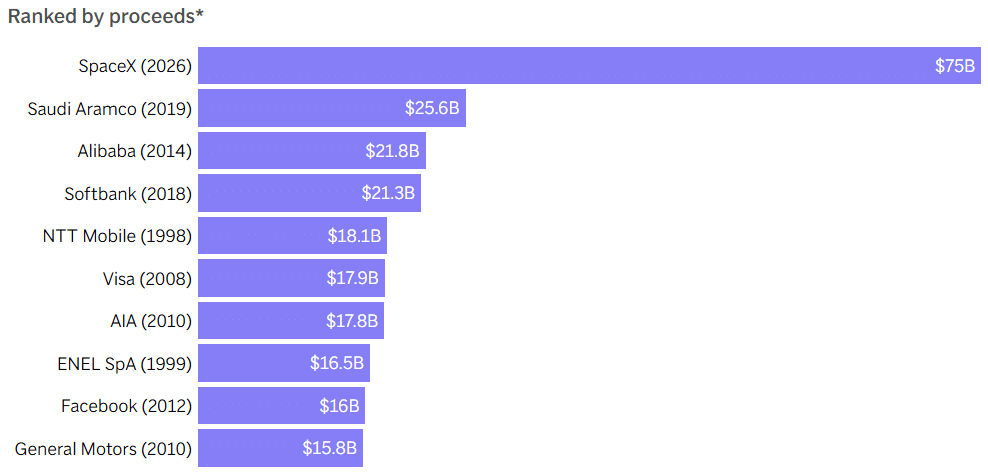
Investors initially paid $135 per share prior to public trading, raising $75 billion—making it the largest initial public offering in history, surpassing Saudi Aramco’s 2019 record.
This enthusiastic market response highlighted investors' faith in SpaceX’s broad portfolio, including rocketry, Starlink broadband, orbital data centers, and developments in artificial intelligence, despite an $8.7 billion loss reported from early 2025 through March 2026.
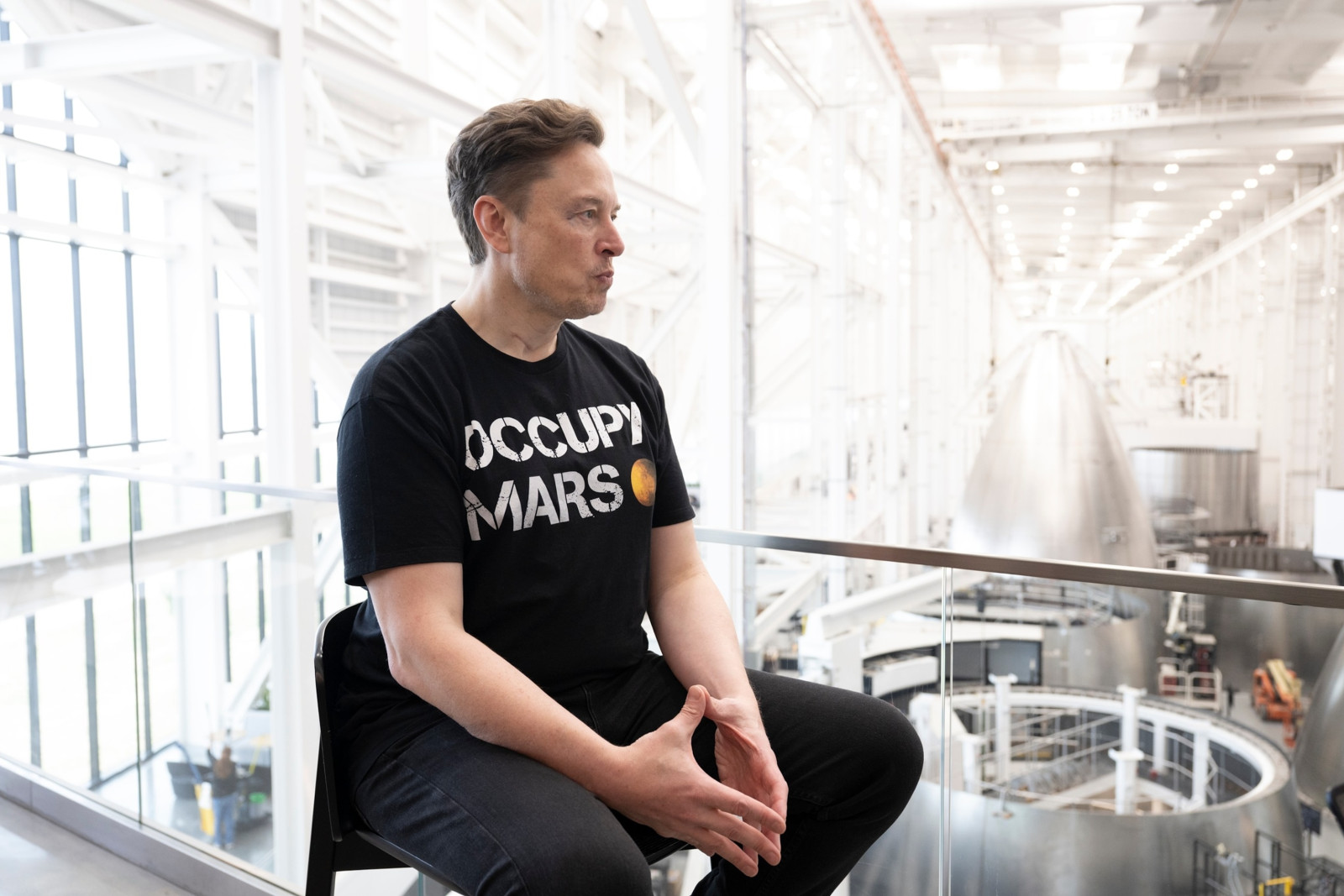
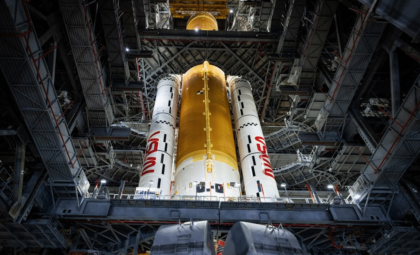
Founded in 2002, SpaceX now operates in spacecraft manufacturing, launch services, and an extensive satellite network powering Starlink. Musk connected the IPO to his grand vision, which includes space-based data centers and eventual human colonization of Mars.
Broadcasting from Starbase in South Texas instead of New York, Musk reiterated his mission to make humanity a multiplanetary species, tying the stock market debut to SpaceX’s ambitious future.
Musk Becomes First Potential Trillionaire
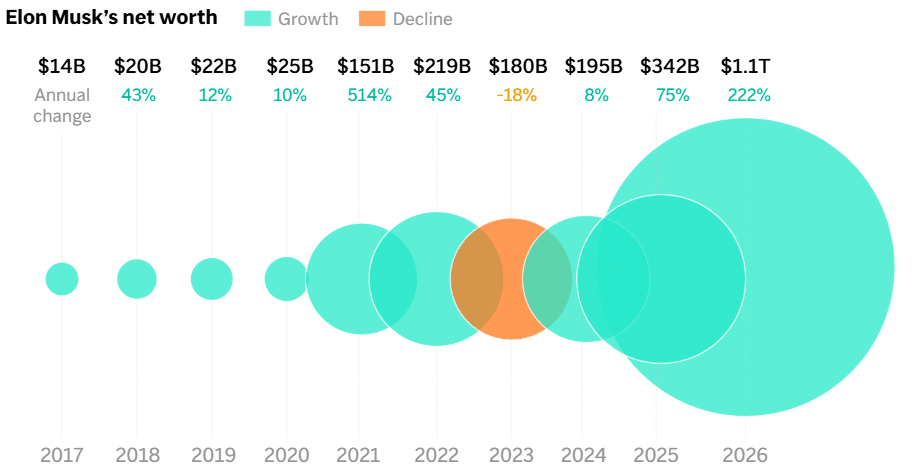
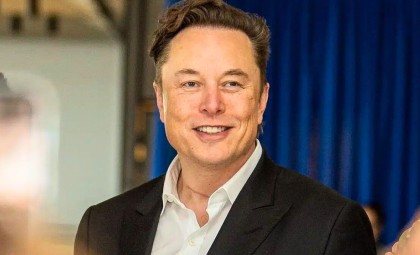
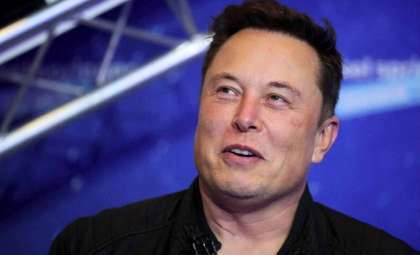
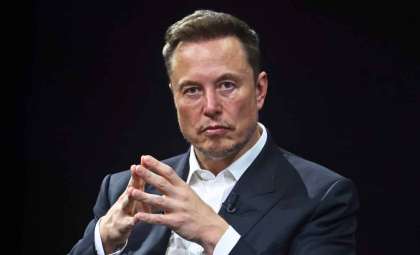
The IPO boosted Elon Musk’s net worth to an estimated $1.1 trillion, combining his stakes in SpaceX and Tesla, according to Forbes, as covered by ABC News. This milestone makes Musk the frontrunner to be the planet’s inaugural trillionaire.
His fortune remains largely stock-based, owning close to 40% of SpaceX shares post-IPO, with regulatory filings preventing him from selling his shares for at least one year.
This shift also elevated SpaceX’s market valuation beyond Tesla’s, even though many future projects hinge on emerging, yet unproven, technologies.
Employees Cash In With Massive Stock Gains
The IPO’s wealth transfer was remarkable for extending far beyond just Musk and top executives. Many current and former SpaceX employees, having accepted stock as compensation in earlier, risk-laden phases, found their holdings now valued in the millions.
Around 400 employees and alumni reached centimillionaire status, a level of wealth typically reserved for founders or primary investors. Andrew Benson of Hill.com remarked that such an unprecedented outcome is extremely uncommon in IPOs.
However, these gains remain on paper until employees can sell their shares following IPO lock-up periods. While making stock public establishes market value, share prices can fluctuate daily based on investor sentiment.
Risks and Rewards for Early Team Members
Trevor Hise, an early engineer who joined SpaceX in 2011, exemplifies the long-term payoff of betting on the company. Forgoing a stable job at General Electric, he amassed over 100,000 shares, currently worth more than $13.5 million at the IPO price. Now 37 and retired, he plans philanthropic ventures with his spouse.
Similarly, Gavin Petit joined in 2012 earning $80,000, choosing to invest bonuses into stock accumulation amid turbulent times marked by rocket failures and financial uncertainties, illustrating high employee conviction in SpaceX’s future.
Some Missed Out by Selling Early
Not all former employees benefited equally; those who sold early, disillusioned by work challenges or skeptical about an IPO, forfeited potential windfalls. Some anecdotal reports even suggested employees traded shares for non-monetary rewards such as restaurant gift cards, though these claims remain unverified.
Others, like Helvin Bacareza, a supply chain manager from 2020 to 2022, held onto significant stock after leaving and anticipate profiting once post-IPO restrictions lift.
SpaceX closed the trading day just shy of $161 per share, solidifying a $2.1 trillion valuation.
- Categories:
- News








0 comments
Sign in to Comment