
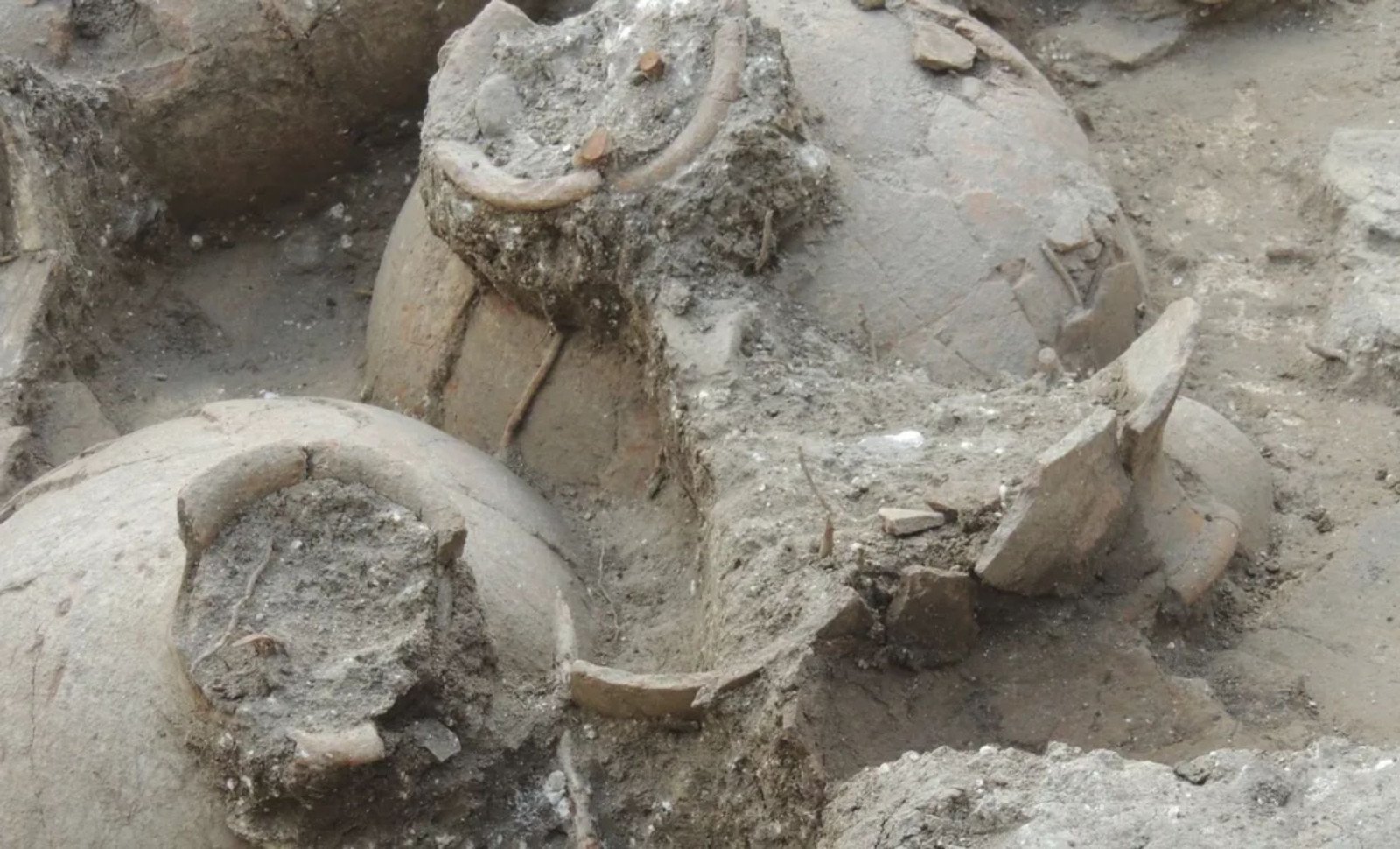
During recent digs at the historic Shiloh site, archaeologists have uncovered three sizable storage jars originating from the Middle Bronze Age. These discoveries were made as part of this year’s extensive exploration of the oldest archaeological layers at Ancient Shiloh.
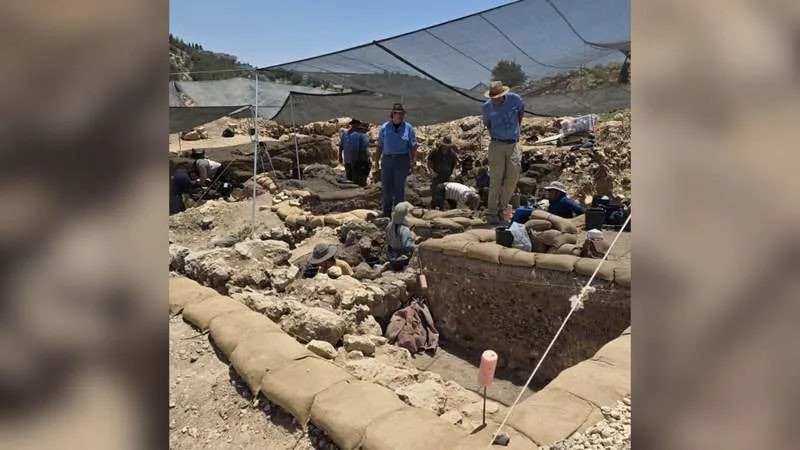
The excavation is directed by Dr. Scott Stripling in collaboration with the Mishkan Shiloh Foundation, the Archaeology Staff Officer, and Israel’s Heritage Ministry. Located at Tel Shiloh in the West Bank, this location holds significant importance within biblical history.
According to the Tanach, Shiloh was once a central place of worship for the ancient Israelites and is known for housing the biblical Tabernacle. Over decades, the site has yielded various artifacts from numerous historical epochs, making it a focal point for regional archaeological research.

Discovery of Jars Deep Within Ancient Layers
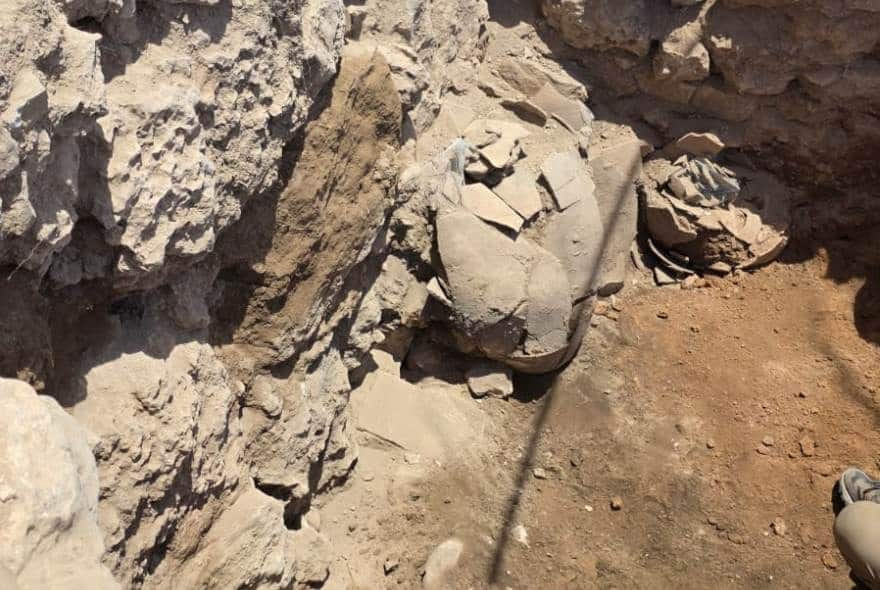
The storage jars emerged from a sediment layer dating back to the Middle Bronze Age, positioned beneath strata from the Late Bronze Age and even deeper deposits from the Iron Age. Excavators were nearing the bedrock when these containers were uncovered.
The remarkable preservation of the jars immediately caught researchers' attention. Despite being buried for thousands of years, they have remained mostly intact.
The area has a history of significant finds; The Jerusalem Post documented that previous excavations yielded around 10,000 animal bones, various pottery artifacts from the Late Bronze Age, and ritual objects crafted from gold and silver.
The archaeological team hypothesizes these jars were used to store agricultural goods. Possible contents include grapes, wine, olive oil, and other produce, though laboratory tests are required to verify their original use.
“This is an especially exciting discovery,” said Dr. Scott Stripling. “We set out to investigate the earliest layers of the site in order to better understand the history of Shiloh, and along the way we uncovered three impressive storage jars that have remained preserved for thousands of years.”
Scientific Analysis of the Jars
The artifacts have been extracted from the site for detailed laboratory examination in the coming months. Researchers aim to determine the jars’ exact dating and their original contents.
Preliminary reports from the excavation team reveal that studying residue inside these jars could shed light on the daily lives and customs of Shiloh’s ancient inhabitants.
Unveiling History Before the Wine Festival
This discovery has particularly captured interest as it was made just days prior to Ancient Shiloh’s annual Wine Festival, an event featuring a variety of local wineries offering tastings, workshops, and a presentation by Professor Shivi Drori, a leading Israeli expert on wine.
The Jerusalem Post has noted that Drori is actively studying ancient grape varieties through genetic testing of archaeological samples, with some of these strains already revived for modern wine production.
The organizers clarified that the discovery’s timing was coincidental and independent of the festival, occurring during the annual excavation campaign. Nevertheless, the find intriguingly bridges Shiloh’s ancient heritage with its contemporary viticultural traditions.
“There is something especially moving about the fact that just days before the Ancient Shiloh Wine Festival, jars thousands of years old, likely used to store grapes and wine, have been uncovered here,” said Kobi Mamo, CEO of the Mishkan Shiloh Foundation.
- Categories:
- Science







0 comments
Sign in to Comment