

On January 10, 2026, Ethiopia began construction on a groundbreaking airport project destined to reshape the aviation world. The forthcoming Bishoftu International Airport, envisioned by the famed Zaha Hadid Architects, promises to be among the largest airports globally, targeting a capacity to serve 110 million travelers annually.
With a monumental investment of $12.7 billion, this expansive hub aims to elevate Ethiopia as a dominant air transport nexus in the region while driving substantial economic growth. Positioned approximately 40 kilometers away from the capital city Addis Ababa, it is planned to act as a key international junction, linking Africa more closely with the global community.
A Distinctive Architectural Vision
Bishoftu International Airport's blueprint reflects its ambitious aspirations. Created by Zaha Hadid Architects, the terminal’s design features an "X"-shaped layout drawing inspiration from Africa’s Rift Valley, an iconic geological formation traversing Ethiopia.

“Bishoftu International Airport is a visionary project for Ethiopia and Africa as a whole,” shared Cristiano Ceccato de Sabata of Zaha Hadid Architects’ aviation team. “Airports bring people together and bridge national divides. Zaha Hadid Architects is honoured to be part of its development – connecting every region of the continent as Africa’s global gateway.”
This innovative design optimizes passenger movement, featuring a central spine that unites different sections for seamless navigation.
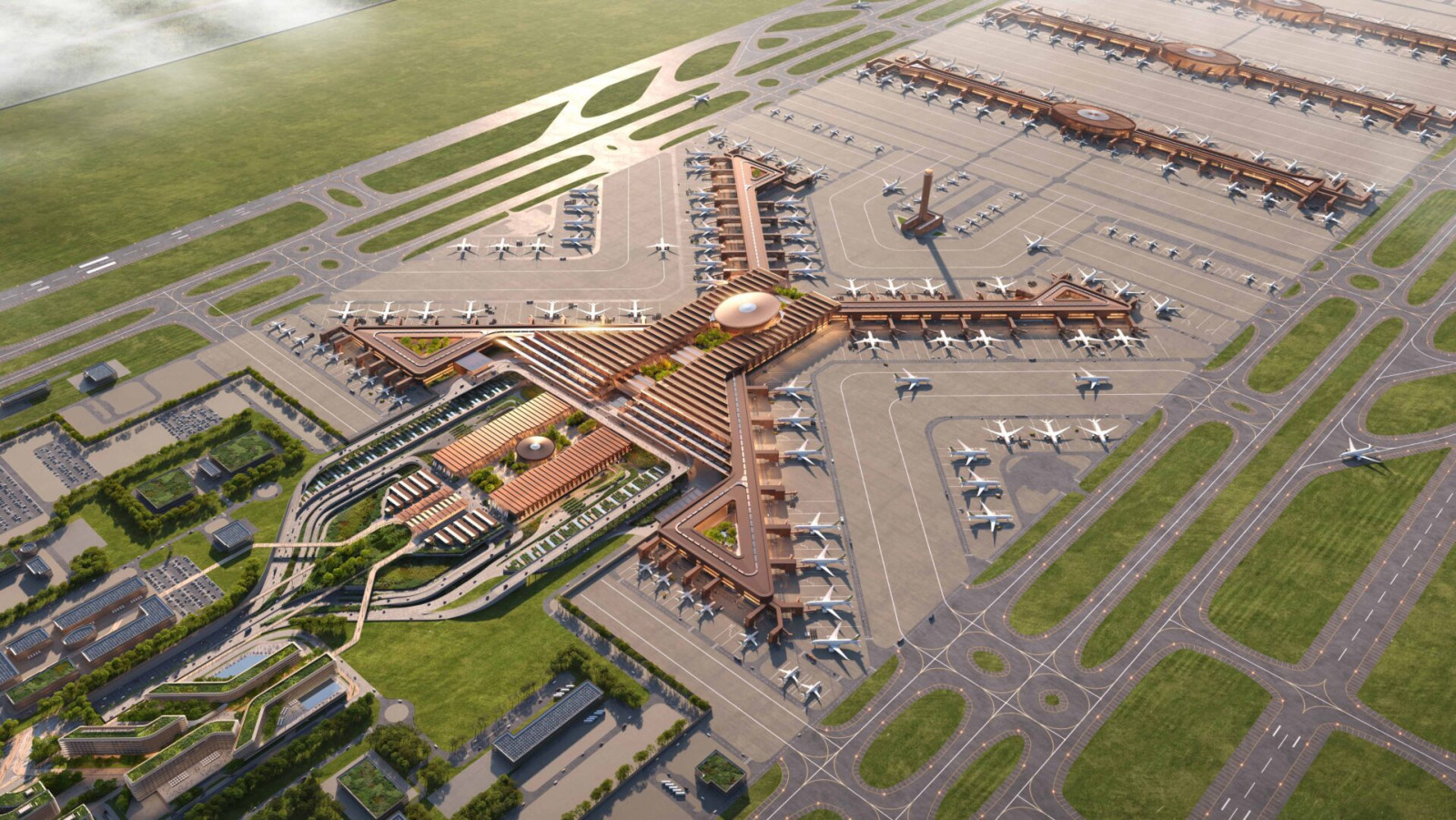
The airport concourses will celebrate Ethiopia’s cultural richness, each reflecting a distinct region within the country. Building materials such as concrete and steel sourced locally will minimize ecological footprint and support domestic industries.
Prioritizing Green Technologies
Sustainability remains at the forefront of the Bishoftu initiative, with plans targeting LEED Gold certification to meet top-tier environmental criteria.
According to the architectural plans released by Zaha Hadid Architects, the airport will incorporate features such as natural airflow systems, solar energy arrays, and a rainwater harvesting network to maximize operational autonomy.

Additionally, landscaping will utilize indigenous drought-resistant flora to aid biodiversity preservation and lower water consumption. This approach ensures the airport is both cutting-edge and environmentally conscious.
Boosting Ethiopia’s Economy
Once operational, Bishoftu will surpass Addis Ababa’s existing Bole International Airport by handling quadruple its current passenger volume. The complex is projected to generate 80,000 new jobs, significantly contributing to local economic development.
“The further phase will serve up to 110 million passengers annually with four runways and parking for 270 aircraft,” announced on the Zaha Hadid Architects website.
Despite its promise, the project faced obstacles including the relocation of about 2,500 farmers to clear land, with $350 million allocated for their compensation and resettlement.
- Categories:
- Tech

















0 comments
Sign in to Comment