
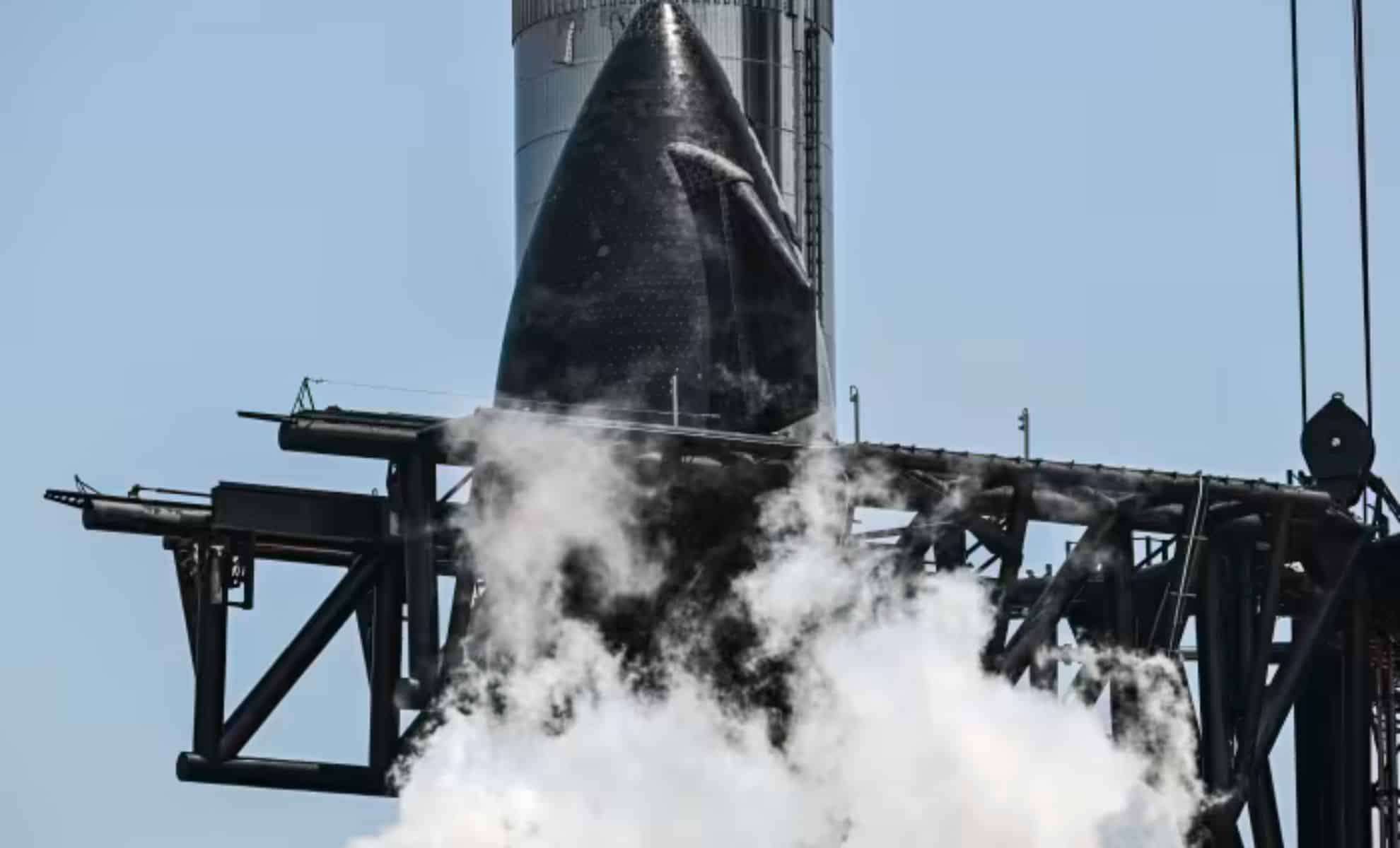
SpaceX is preparing to conduct the fourth test launch of its Starship rocket early on Thursday, June 6. This launch is pivotal in proving the rocket's reusability, a fundamental factor in lowering space exploration costs and broadening space access.
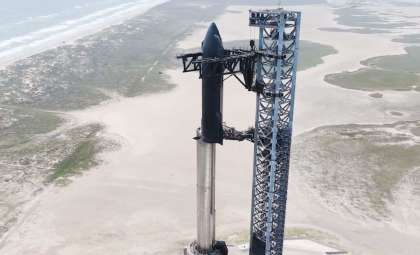
The Starship paired with its Super Heavy booster is planned to blast off from SpaceX’s Starbase in South Texas at 8 a.m. EDT (1200 GMT), with a 2-hour launch window providing scheduling flexibility.
Mission Aims and Key Targets
This flight intends to accomplish important milestones not achieved in prior tests. Chief among these is validating the capability to safely return and reuse both the Starship and its booster. Tests will include operating the payload bay door in orbit and executing a successful reentry procedure.

Unlike previous attempts focused mainly on reaching orbit, this launch will further challenge the vehicle’s reentry systems, a critical step toward more cost-effective and sustainable space missions. SpaceX will stream the launch live beginning 7:30 a.m. EDT on its X (formerly Twitter) account and Space.com.
The @SpaceX Starship launch tomorrow morning will be live-streamed exclusively on 𝕏!
— Elon Musk (@elonmusk) June 5, 2024
Development Challenges and Advances
The Starship program has encountered multiple hurdles throughout its development journey. The initial three flights ended unsuccessfully, with rockets experiencing explosions or crashes during landing attempts. However, each test supplied crucial insights that refined the rocket’s design and operational procedures.
The debut flight in April 2023 exploded shortly after liftoff, causing damage to the launch infrastructure. The subsequent flight failed soon after stage separation, culminating in another loss. The third mission reached space but saw both the Starship and Super Heavy disintegrate during descent. These setbacks, labeled “rapid unscheduled disassemblies” by SpaceX, have been instrumental in iterating the technology toward reliable reuse.
Significance of Reusability
At the heart of SpaceX’s strategy is reusability, which promises to drastically lower the expense of reaching space and foster wider participation in space ventures. Historically, the high costs of space missions restricted them primarily to affluent nations.
The Starship is engineered to transport up to 100 passengers on extended interplanetary journeys, deploy satellites, and aid lunar settlement efforts. This innovation underpins NASA’s Artemis missions to return humans to the moon.
Industry Rivalry and Cooperation
SpaceX has competed with Boeing over the past decade to build crew transport vehicles as part of NASA’s Commercial Crew Program. SpaceX’s Crew Dragon has been ferrying astronauts reliably since 2020, while Boeing’s Starliner program has encountered delays.
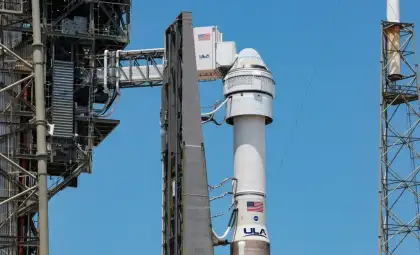
Recently, Boeing completed its first crewed test flight of the Starliner, carrying two NASA astronauts to the ISS. This achievement highlights the blend of competition and teamwork driving current space exploration developments.
Tune in to the Launch
Fans can follow the Starship Flight 4 lift-off online, with SpaceX broadcasting via its X social channel starting half an hour before launch. Additional live footage will be available on NASASpaceflight.com’s YouTube channel. Observers near Boca Chica, Texas, may catch the launch from public spots like South Padre Island. The flight duration is expected to be a little over an hour, with the Super Heavy stages planned to land in the Gulf of Mexico.
If weather or technical setbacks arise, backup launch days are scheduled for June 7 and 8. Local authorities from Cameron County will enact beach closures during launch windows to ensure public safety and manage crowds.
The Road Ahead
With every test, SpaceX moves closer to a fully reusable rocket fleet. Elon Musk has emphasized perfecting a reusable heat shield, a critical challenge yet to be overcome. Success here will mark a transformative moment for affordable, sustainable spaceflight.
The Starship vehicle remains central to SpaceX’s ambitions including Mars missions and lunar exploration under NASA’s Artemis program, aiming for a 2026 lunar landing. Triumph in this upcoming test will affirm Starship’s role in future deep space ventures and human space exploration.








0 comments
Sign in to Comment