
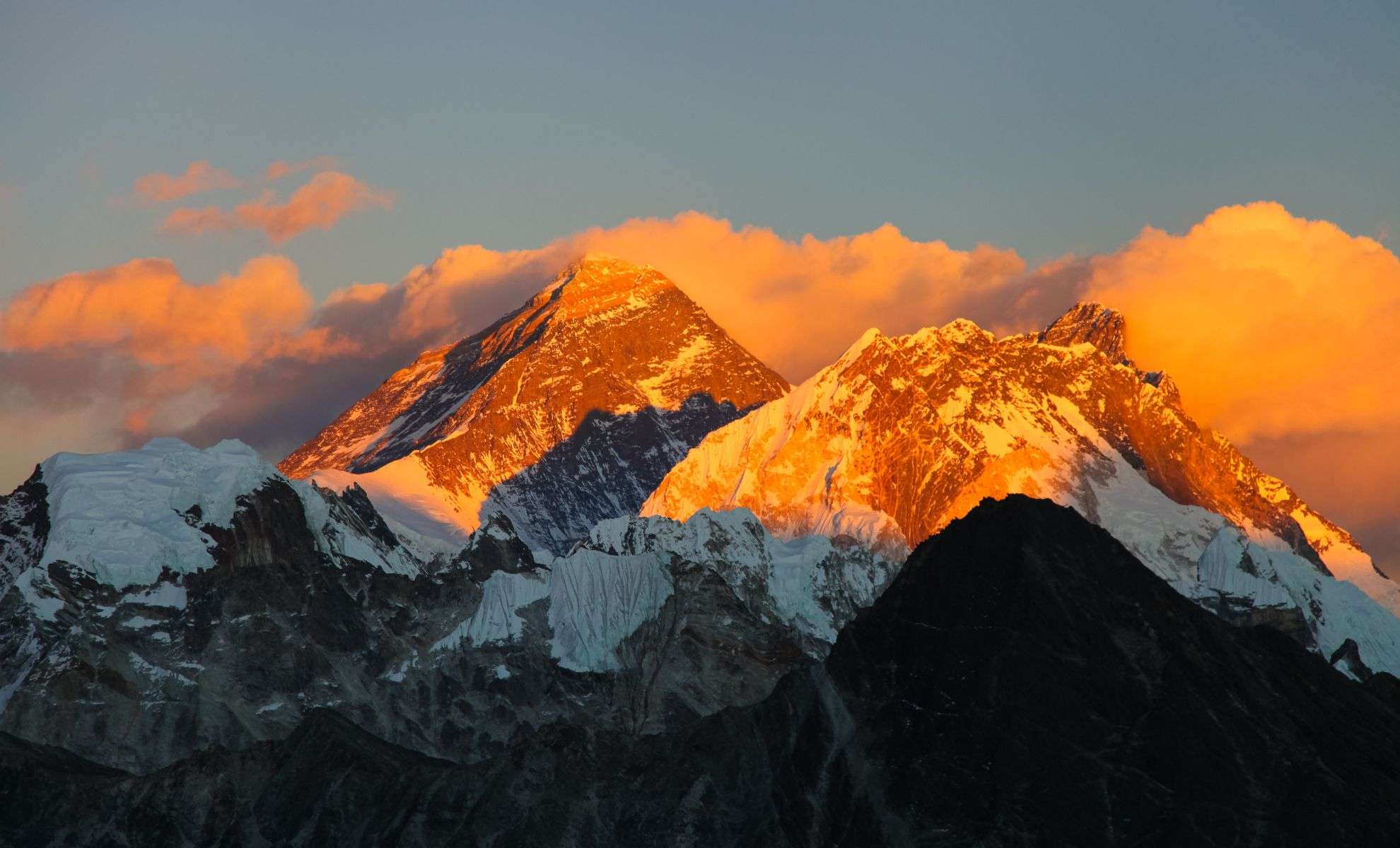
A concealed block of rigid mantle rock may be the key to why the Himalayas and Tibetan Plateau have maintained their towering elevations for millions of years. Recent findings propose that this subterranean layer, nestled between the Indian and Asian crusts, functions as an internal support that prevents the “roof of the world” from collapsing.
Led by Pietro Sternai at the University of Milano Bicocca, this concept signals a significant change in how experts comprehend the deep processes beneath Earth’s tallest peaks. Previously, scientists believed that an exceptionally thick continental crust bore the entire load. However, that explanation didn’t fully clarify how the mountains remain so elevated, considering that rocks at depth generally tend to soften over long periods.
Seismic Data Unveils a More Rigid Subsurface Feature
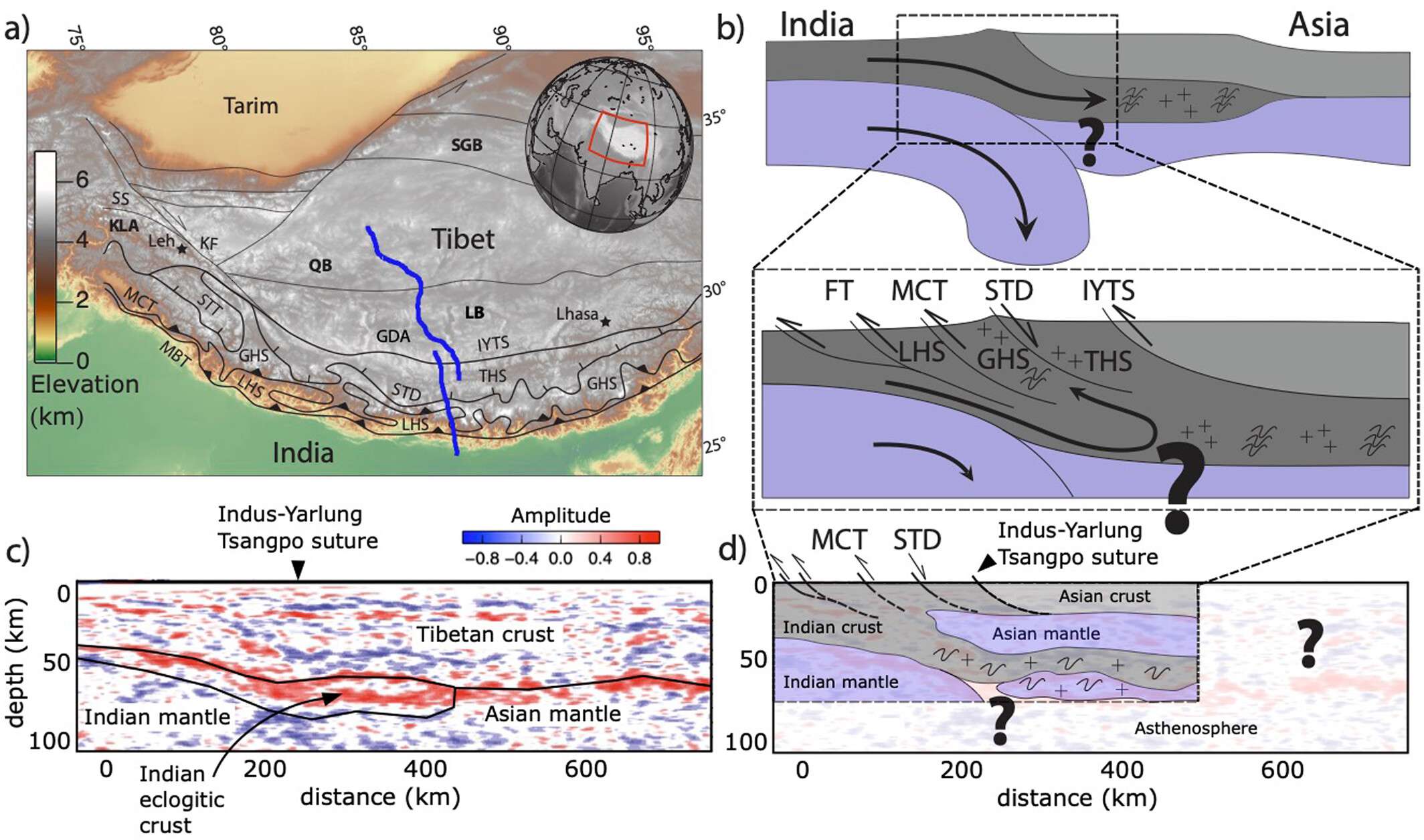
Using seismic receiver functions—techniques that uncover structures deep below the Earth’s exterior—researchers repeatedly detected a double seismic discontinuity in southern Tibet. This puzzling pattern puzzled geologists for decades, but new interpretations provide clarity. According to Earth.com, these seismic boundaries correspond to the upper and lower surfaces of a solid mantle layer wedged between two continental crust segments.

Surface evidence supports this insight. Mantle xenoliths, fragments of deep mantle rock erupted by Miocene ultrapotassic lavas, reveal actual mantle rock underlying the plateau. The composition of these xenoliths aligns with the idea that the lighter Indian crust has thrust beneath a denser Asian lithospheric block, trapping a dense, robust mantle section in between.
Sternai’s research group asserts this concealed wedge may be the vital element: a sturdy structure that supports the Himalayan range and clarifies regional geological mysteries, such as deep brittle earthquakes and atypical crustal stress patterns.
The Hidden Mantle Wedge as a Structural Support
The proposed mechanism involves viscous underplating, where part of the Indian lower crust detaches and gradually ascends beneath the Asian lithosphere. This action creates a structural brace combining buoyant crustal uplift and mantle rigidity to counteract the outward flow of softened rock, thus preserving the region's vertical stability.
This system permits the crust to maintain elevation without relying solely on softer deep rock to bear the load. “You can’t build a mountain on top of yogurt,” Sternai told Earth.com, underscoring the necessity for deep rigidity. This blended model aligns better with physical simulations than prior explanations centered just on crustal thickness.
The findings also shed light on concentrated zones of deep seismic activity in southern Tibet. Earthquakes at depths where rocks usually deform plastically indicate the presence of a strong, brittle layer capable of fracturing, consistent with a mantle wedge.
Understanding Why the Tibetan Plateau Remains Elevated
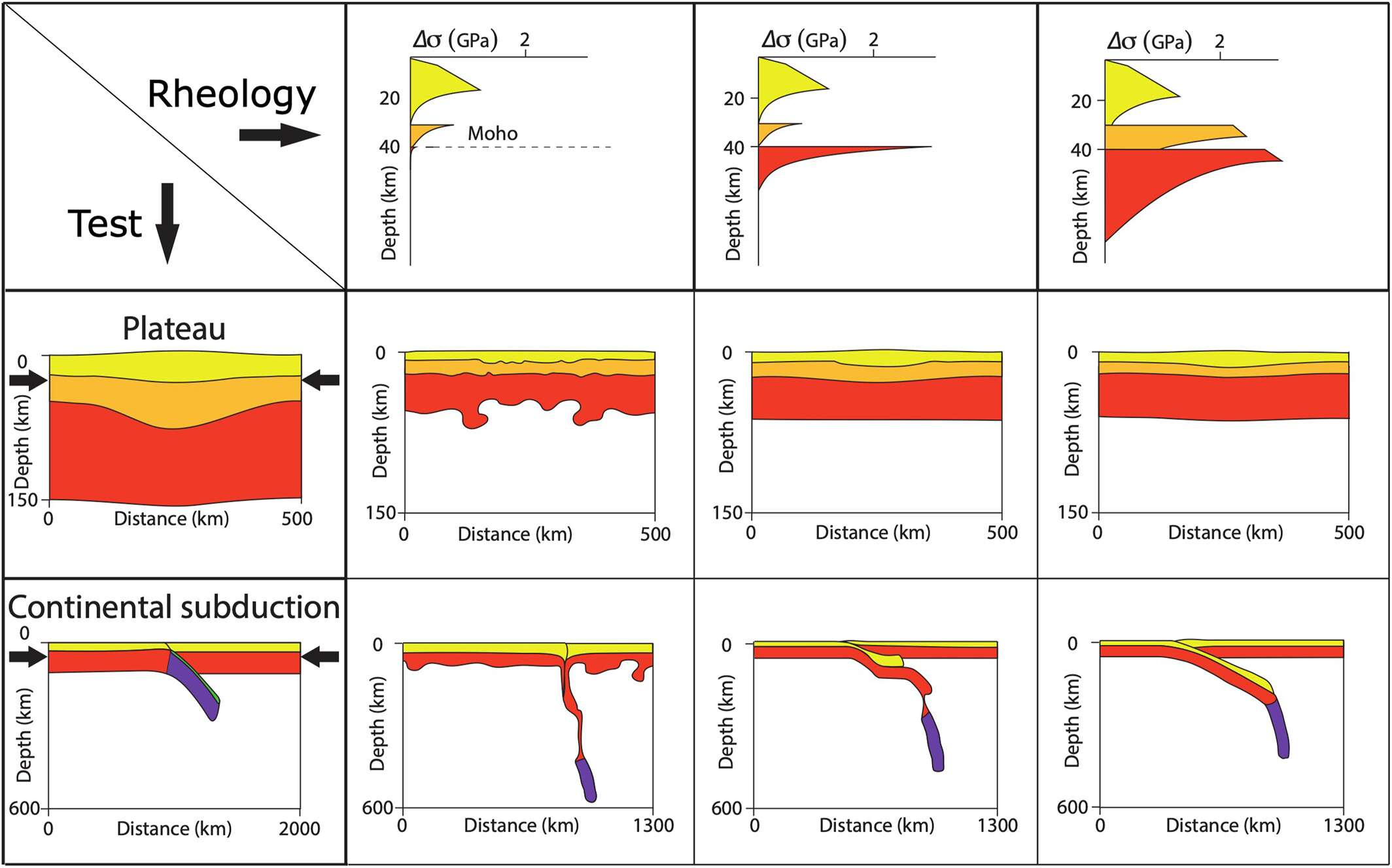
Previous hypotheses suggested that lower crustal materials were gradually flowing outward beneath the plateau, but these ideas fell short of explaining the observed strength and thickness. The latest research highlights that this locked mantle wedge offers a more robust and complete framework.
Additionally, this stiffer subsurface structure might clarify varying uplift rates across the plateau and uneven patterns of erosion. It may even influence long-term monsoon dynamics. Contrary to ideas of progressively flowing crust resembling warm taffy, this model envisions uplift supported by a solid and well-defined foundation.
Further investigations remain crucial. Enhanced seismic imaging and more mantle rock samples will be necessary to refine the position and characteristics of this mantle insert. Despite this, the theory successfully unites diverse scientific observations—such as deep seismicity, surface petrology, and peculiar seismic readings—into a cohesive explanation.
- Categories:
- Science













0 comments
Sign in to Comment