
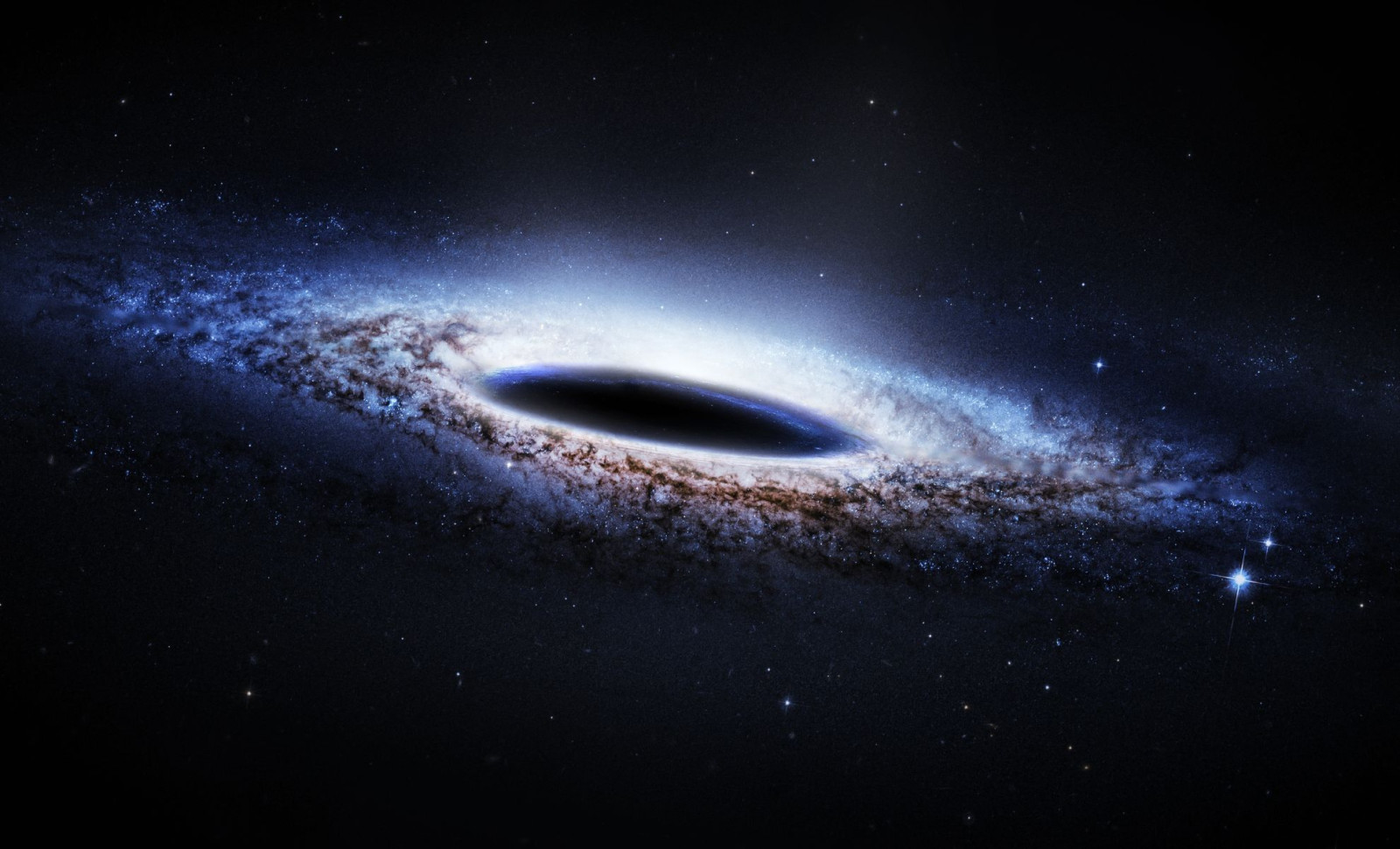
The universe's most enormous black holes have dramatically slowed their development, and new research sheds light on the reasons behind this shift.
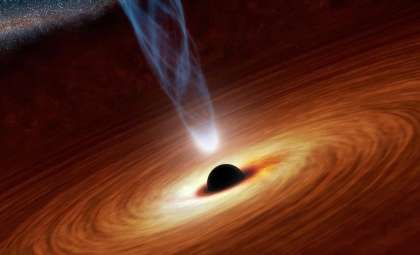
Astronomers have long noticed that supermassive black holes, despite their powerful gravitational forces, have decelerated in growth since the universe’s most intense star-forming period, known as cosmic noon. The cause of this reduced activity was previously uncertain, sparking debates on whether fewer black holes remained active or if changes had occurred in their feeding processes.
The growth of these black holes is intricately connected to star formation and the composition of their host galaxies, particularly in densely packed central regions called galactic bulges. Investigating their developmental history reveals key insights into how the cosmos evolved to its current form.

A Comprehensive Survey of 8,000 Feeding Black Holes
This latest research utilizes an expansive dataset covering observations from 1.3 million galaxies and approximately 8,000 black holes currently accreting material. Published in The Astrophysical Journal, the analysis draws on nine extragalactic surveys arranged in a layered "wedding cake" fashion, combining broad shallow scans with focused deep observations.
The data were gathered using top-tier X-ray observatories such as Chandra, XMM-Newton, and eROSITA. X-ray emissions serve as an excellent indicator of matter being drawn into black holes. As lead researcher Zhibo Yu explained:
“X-ray light is arguably the best tracer of black hole growth,” he said, “It is ubiquitously produced by growing supermassive black holes and has high contrast compared to the background star light. It also has high-penetrating power — that’s why it’s commonly used in medical imaging — so that it is less affected by the obscuring gas and dust in the galaxy.”
Resolving a Longstanding Cosmic Mystery
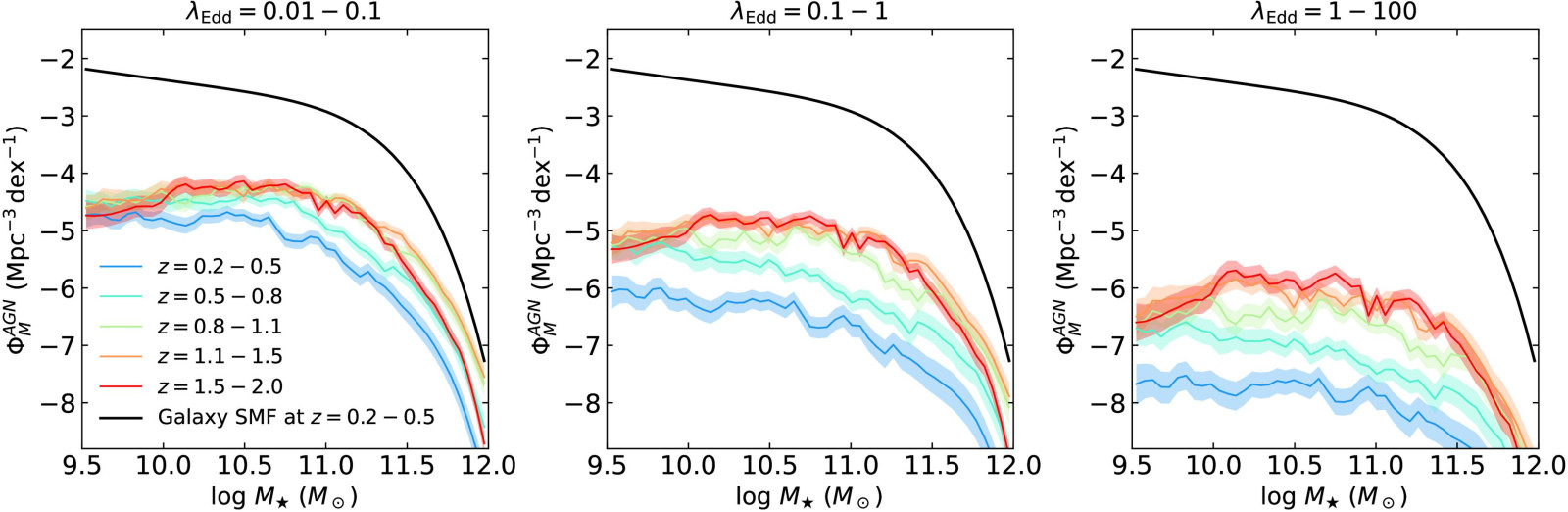
The team explored multiple hypotheses, such as whether recent black holes are fewer in number, smaller in mass, or less efficient in accumulating matter. According to co-author Fan Zou, the conclusion is definitive:
“We knew black holes were growing more slowly, but not why — and it turned out to be that individual black holes are consuming material much less rapidly, rather than there simply being fewer growing black holes or smaller ones.”
The decline in growth rates is directly linked to diminishing supplies of cold gas, the essential fuel for black hole expansion. Since cosmic noon, the availability of this gas has continuously waned, leaving black holes with far less matter to draw in. The slowdown is substantial: black hole growth has diminished by a factor of 22 over the last 10 billion years, Live Science reports.
Closing Chapter for Cosmic Titans
Findings indicate that the majority of these massive black holes reached close to their full size several billion years ago. The population of these cosmic giants was largely established around 7 billion years in the past, with minimal growth anticipated going forward.
This paints a picture of a universe transitioning from its most dynamic era. Once voracious supermassive black holes that shaped early cosmic history are now evolving in an environment constrained by shrinking gas supplies. As Zou pointed out, significant future growth for these giants appears unlikely.
- Categories:
- Physics




0 comments
Sign in to Comment