
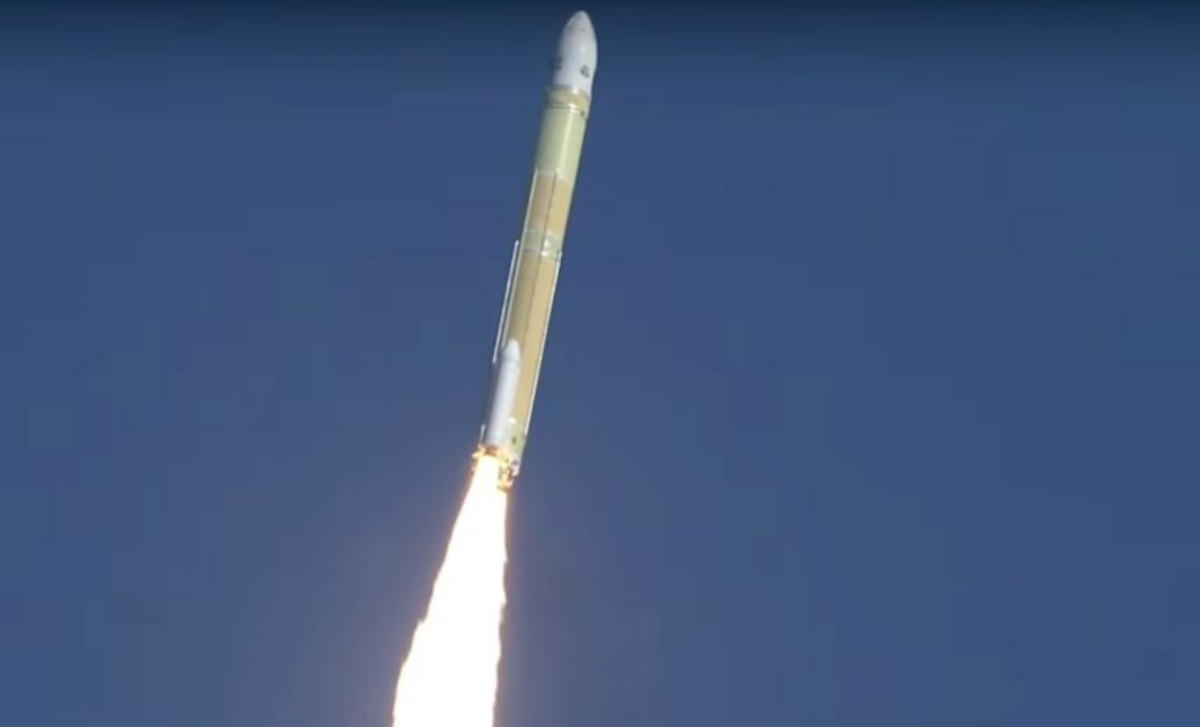
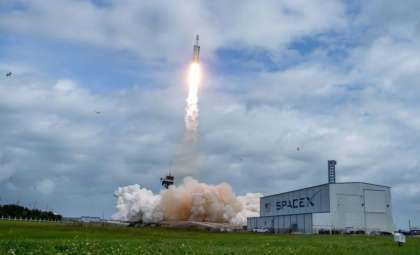
In late 2025, Japan’s latest heavy-lift launch vehicle achieved a mostly smooth ascent but ultimately failed to place its payload into orbit due to unforeseen mechanical complications. The H3 rocket, a collaborative development by JAXA and Mitsubishi Heavy Industries, successfully lifted off from Tanegashima Space Center carrying the critical Michibiki 5 navigation satellite. However, following the separation of the payload fairing, the mission took a turn for the worse. While the rocket continued its flight as intended, the satellite was lost and did not reach its targeted orbit, representing a complex setback for Japan’s space initiatives.
Initial Launch Progress Conceals Emerging Fault
The H3 rocket's early flight phases appeared flawless, with steady atmospheric ascent and nominal telemetry readings confirming stable propulsion and guidance. Problems became evident immediately after the fairing jettison. Onboard cameras documented fragments and unexpected movements near the satellite, indicating a malfunction within the payload interface area.
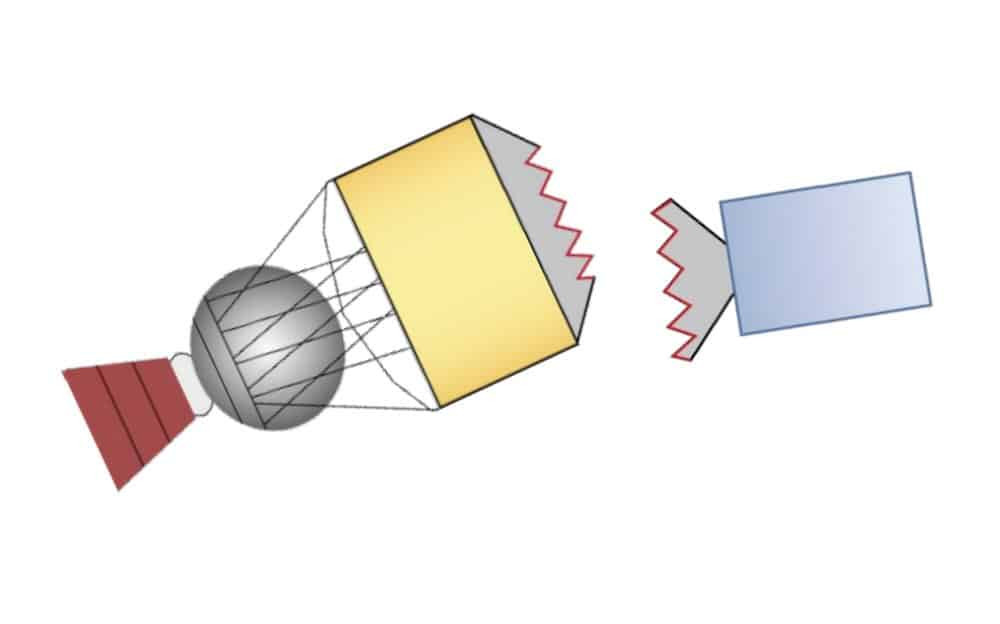
An extensive Ars Technica investigation revealed that sensors detected unusual accelerations close to the satellite’s mounting location. Engineers concluded these forces were inconsistent with a proper separation event. “It is highly likely that the satellite mounting structure was damaged due to some factor, and as a result, the pressurization piping was damaged.” This structural damage compromised systems thought to be secure during this mission stage, raising concerns about separation dynamics and structural resilience.

Critical LH2 Tank Pressure Drop Sparks Further Investigation
As the launch progressed, flight data indicated a problematic drop in pressure within the liquid hydrogen tank supplying the rocket’s upper-stage engines. Officials reported, “A decrease in LH2 tank pressure was confirmed almost simultaneously,” noting the onset of the issue shortly after the satellite demonstrated instability. The rocket’s automated control systems reacted by repeatedly opening a pressurization valve to counteract the pressure loss.
Despite these attempts, tank pressure never stabilized. The ongoing valve activity without pressure recovery points toward physical damage rather than sensor or software errors. Investigators suspect the compromised mounting structure transferred damaging forces or debris to adjacent plumbing elements, an effect not fully anticipated in pre-launch analyses or testing.
Debris and Leak Possibilities Under Close Scrutiny
One of the investigation’s toughest questions concerns whether propellant leakage contributed to the abnormal satellite behavior detected post-fairing release. So far, officials have stated that no direct evidence of leaks has been found.
“While no data indicating leakage of these substances has been confirmed, the possibility that they caused the abnormal acceleration cannot be ruled out at this time,” JAXA said.
This ambiguity underscores the difficulties of pinpointing failures in launch vehicle systems where tightly interwoven components can cause cascading malfunctions. Minor damage to structure can quickly escalate into widespread system issues, especially amid cryogenic propellant handling and complex mounting assemblies. The H3 rocket’s ability to maintain flight after losing its payload highlights the strength of its propulsion and guidance systems, while revealing vulnerabilities in flight hardware integration.
- Categories:
- Space






0 comments
Sign in to Comment