
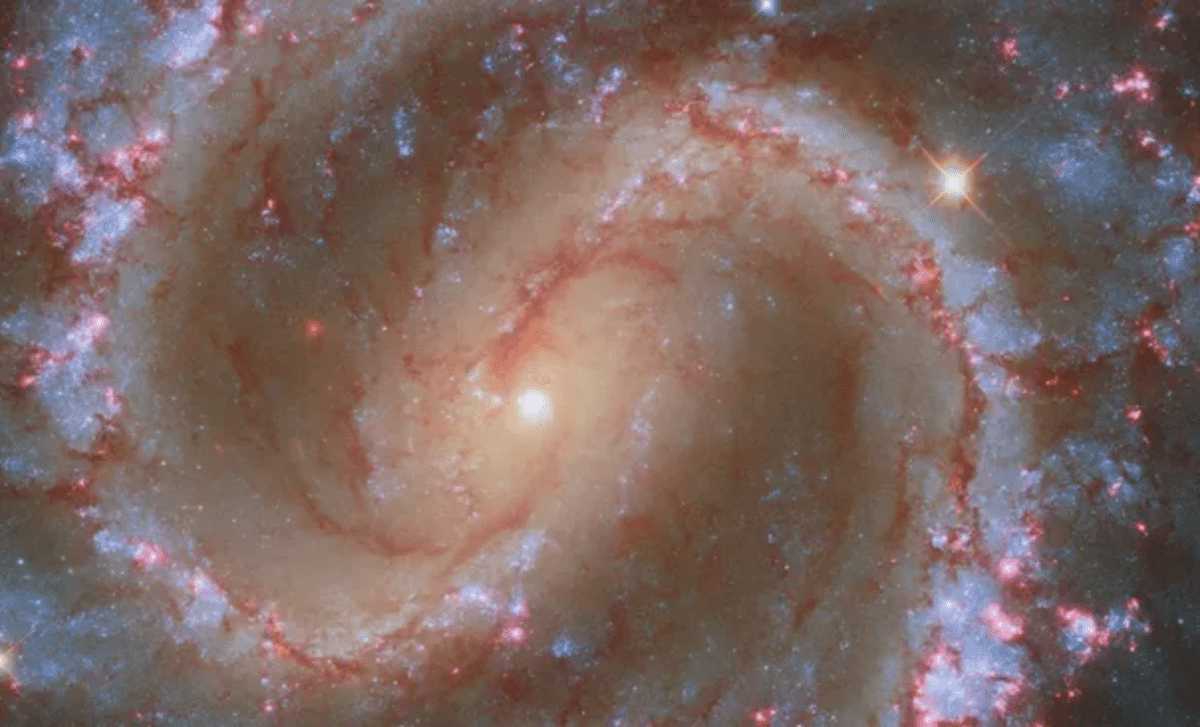
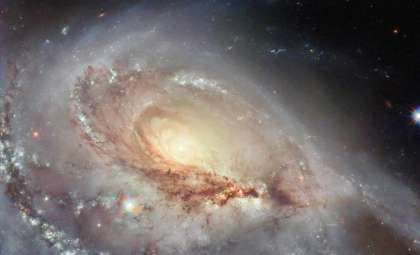
The Hubble Space Telescope has once more captivated both researchers and astronomy enthusiasts with a breathtaking snapshot of a galaxy once considered hidden in deep space. This galaxy, known as NGC 4535, located within the Virgo constellation, is shedding new light on star formation and the complex mechanisms that influence galactic structures. This discovery is part of NASA’s ongoing PHANGS initiative, where scientists investigate the lifecycle and development of stars in galaxies such as NGC 4535.
Rediscovering the Enigmatic NGC 4535
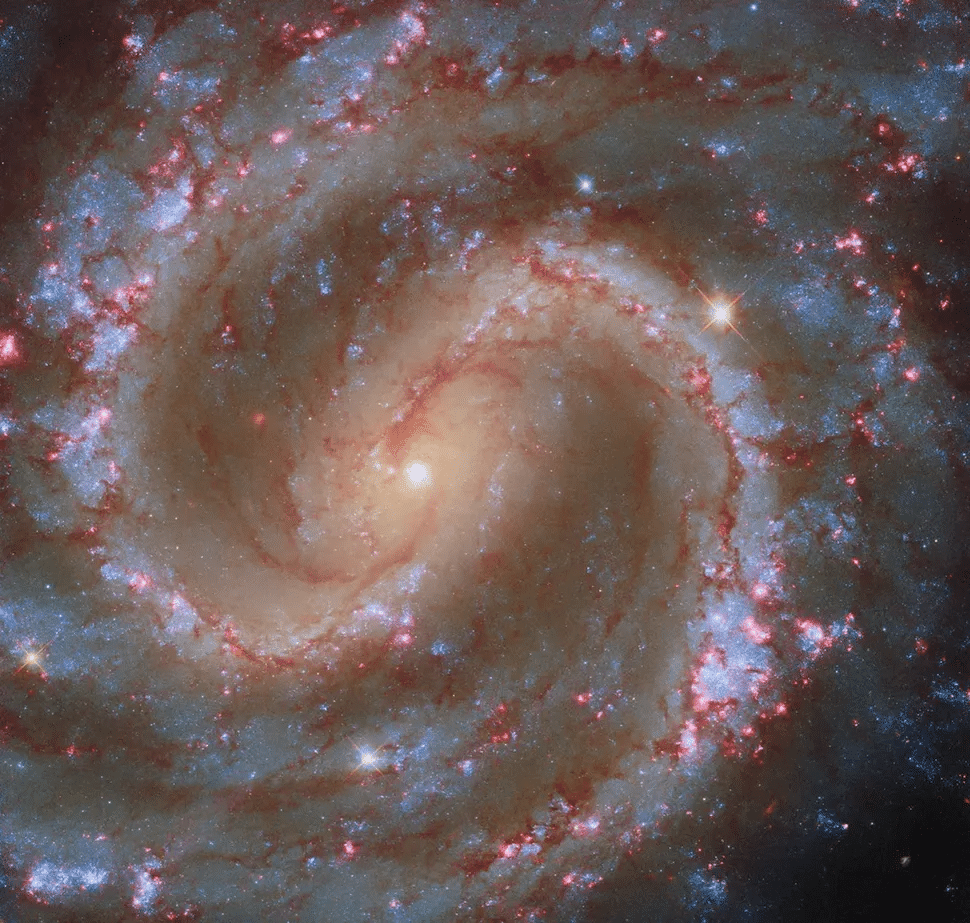
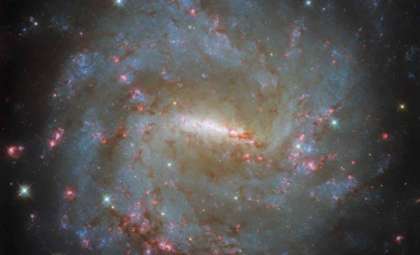
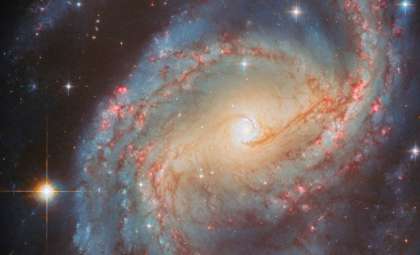
Long referred to as the “Lost Galaxy” because of its subtle and elusive appearance, NGC 4535 has fascinated astronomers for decades. Positioned roughly 50 million light-years away in Virgo, it was once barely discernible through ground-based telescopes. Thanks to Hubble’s unmatched clarity and capability to photograph distant galaxies in fine detail, this spiral galaxy now appears far more defined than ever before.
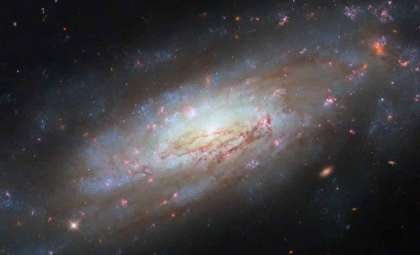
According to a report by Space.com, NGC 4535 hosts numerous young star clusters, with its spiral arms awash in gas and dust clouds. The Hubble imagery reveals a mesmerizing interplay of stars and nebulae, where new stars continually emerge amidst glowing ionized hydrogen gas, or H II regions. These areas are crucial for understanding star birth as they highlight zones of intense stellar creation.

Insights Into Stellar Birth
The study of NGC 4535 offers researchers an unprecedented view into stellar formation processes. This spiral galaxy is a key target under NASA’s extensive PHANGS (Physics at High Angular Resolution in Nearby Galaxies) project, which maps approximately 50,000 H II regions in neighboring star-forming galaxies. The initiative aims to address core questions about the origins and evolution of stars.
Examining these luminous clouds of ionized gas allows scientists to discern the conditions favorable for star formation and to evaluate the influence of newborn stars on their surroundings. This research enriches understanding not only of the star-making process itself but also of the larger dynamics governing galaxy formation and transformation.
NGC 4535 as a Hub for Galactic Evolution Studies
For many years, NGC 4535 appeared as a faint blur in astronomers’ observations. Yet, through Hubble’s detailed imaging, this galaxy has now become a vital object in the exploration of star and galaxy growth. Its active nature provides scientists with a glimpse into evolutionary stages that other galaxies may experience or undergo in the future.
Hubble’s high-resolution imagery enables experts to monitor star formation, analyze how young stars impact their gaseous surroundings, and observe the influence of stellar energy on galaxy maturation. As such, NGC 4535 is serving as a natural research site to comprehend the cosmic forces driving galactic development across immense timescales.
Hubble’s Ongoing Impact on Astronomy
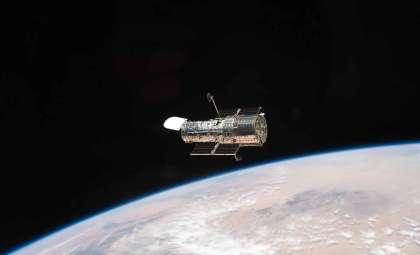
The Hubble Space Telescope, launched in 1990, transformed astronomy by delivering crystal-clear images of far-off cosmic phenomena. Its capabilities across ultraviolet, visible, and near-infrared wavelengths have allowed astronomers unprecedented access to observe galaxies, nebulae, and other celestial structures. The newest visuals of NGC 4535 underscore Hubble’s essential contribution to expanding our grasp of star formation and galactic change.
Beyond its captivating images, Hubble delivers critical scientific data that propel ongoing research. By continuing investigations of galaxies like NGC 4535, astronomers move closer to unraveling the mechanisms governing star birth and galaxy evolution across billions of years.
- Categories:
- Space


0 comments
Sign in to Comment