
In late 2025, a detailed scientific voyage along Argentina’s coastline captured unprecedented high-resolution footage, gathered environmental samples, and unveiled a series of extraordinary findings at uncharted depths. Spanning from Buenos Aires to the frigid sub-Antarctic waters near Tierra del Fuego, this mission explored the country’s continental margin extensively.
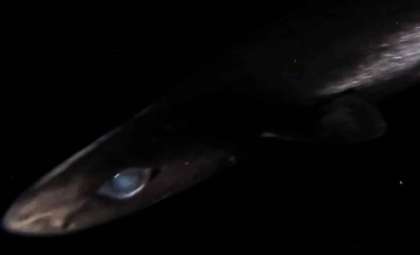
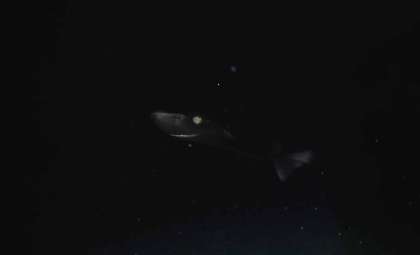
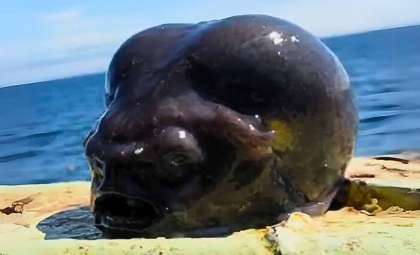
The expedition revealed a wealth of previously undocumented phenomena, encompassing both biological and geological findings. Notably, at nearly four kilometers beneath the ocean surface, the team recorded a deep-sea entity never before observed in Argentine waters.
Research conducted aboard the R/V Falkor (too), operated by the US-based Schmidt Ocean Institute, was led by scientists from the University of Buenos Aires and Argentina’s National Scientific and Technical Research Council (CONICET). The project forms part of a larger regional effort to chart and study deep-sea ecosystems along South America’s southern Atlantic coast.

Early reports indicate the existence of several ecosystems not previously incorporated into national biodiversity surveys, including extensive coral habitats, chemosynthetic assemblages, and rare open-ocean species.
Extensive Cold-Water Coral Reef Located Farther South Than Previously Known
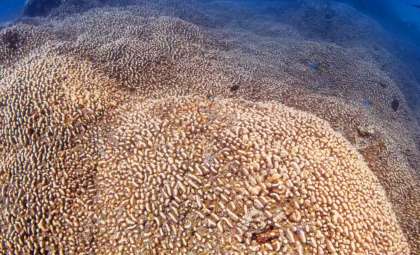
Researchers verified the existence of a cold-water coral reef primarily made up of Bathelia candida, recognized internationally as an indicator species for Vulnerable Marine Ecosystems (VMEs) under UN guidelines. Covering about 0.4 square kilometers, this reef lies more than 600 kilometers south of where the species was last documented, based on December 2025 data from Schmidt Ocean Institute’s expedition.
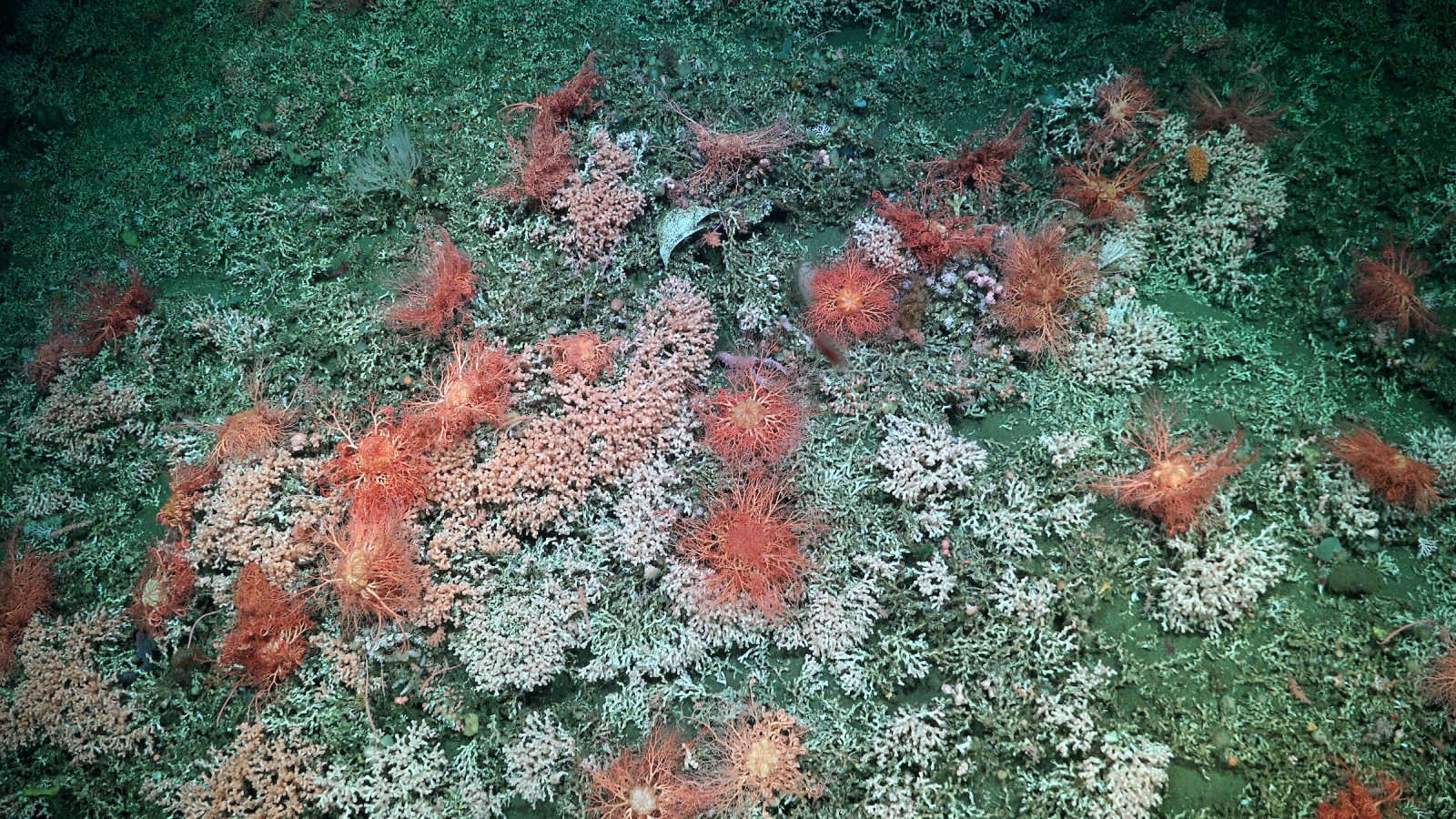
The remotely operated vehicle (ROV SuBastian) captured detailed videos showing the Bathelia reef’s intricate 3D formations that shelter numerous species including basket stars, various crustaceans, and bottom-dwelling fish. These reefs are vital ecosystems due to their slow regeneration and fragility after disturbances.
Previously, cold-water corals in the southwestern Atlantic were thought to exist only in scattered, limited patches. This new evidence of cohesive reef systems along the Argentine continental shelf and slope challenges that notion.
Argentina’s First Documented Whale Fall at Nearly 3,900 Meters Depth
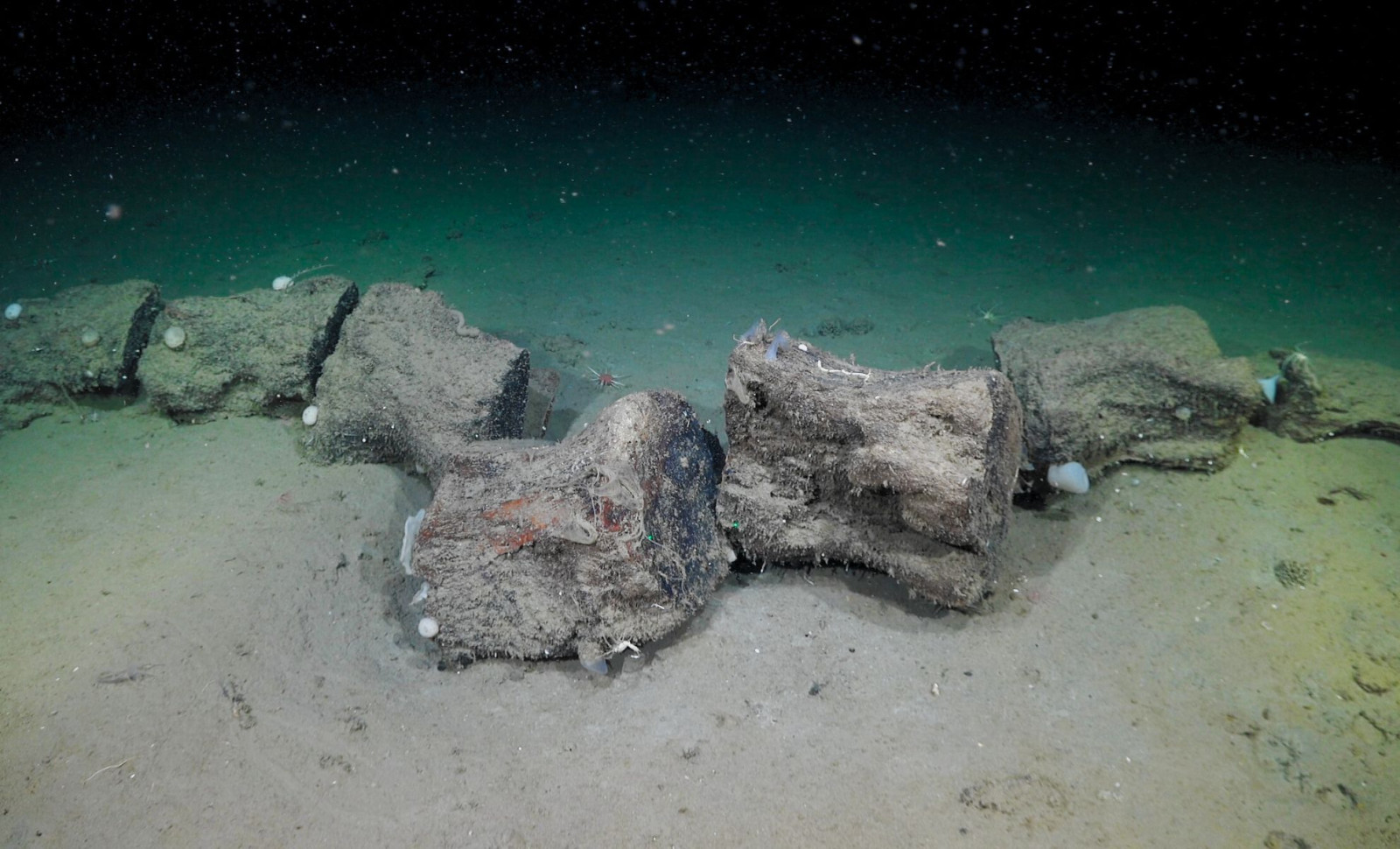
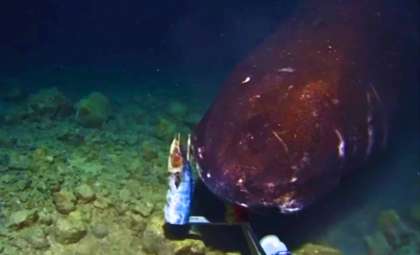
One of the expedition’s landmark findings was a whale fall discovered at 3,890 meters depth near the Salado-Colorado Kilometer escarpment. Footage depicted a partially decayed whale carcass surrounded by scavenger fauna, microbial mats, and bone-eating Osedax worms. Whale falls create rare and vital habitats, delivering concentrated nutrition to deep-sea organisms in otherwise nutrient-poor environments.
As detailed in the Schmidt Ocean Institute’s report, “whale falls sustain ecosystems for thousands of years in oceanic regions where food is scarce.” Following decomposition, bones become hard surfaces for invertebrate colonization during what scientists call the “reef phase.”
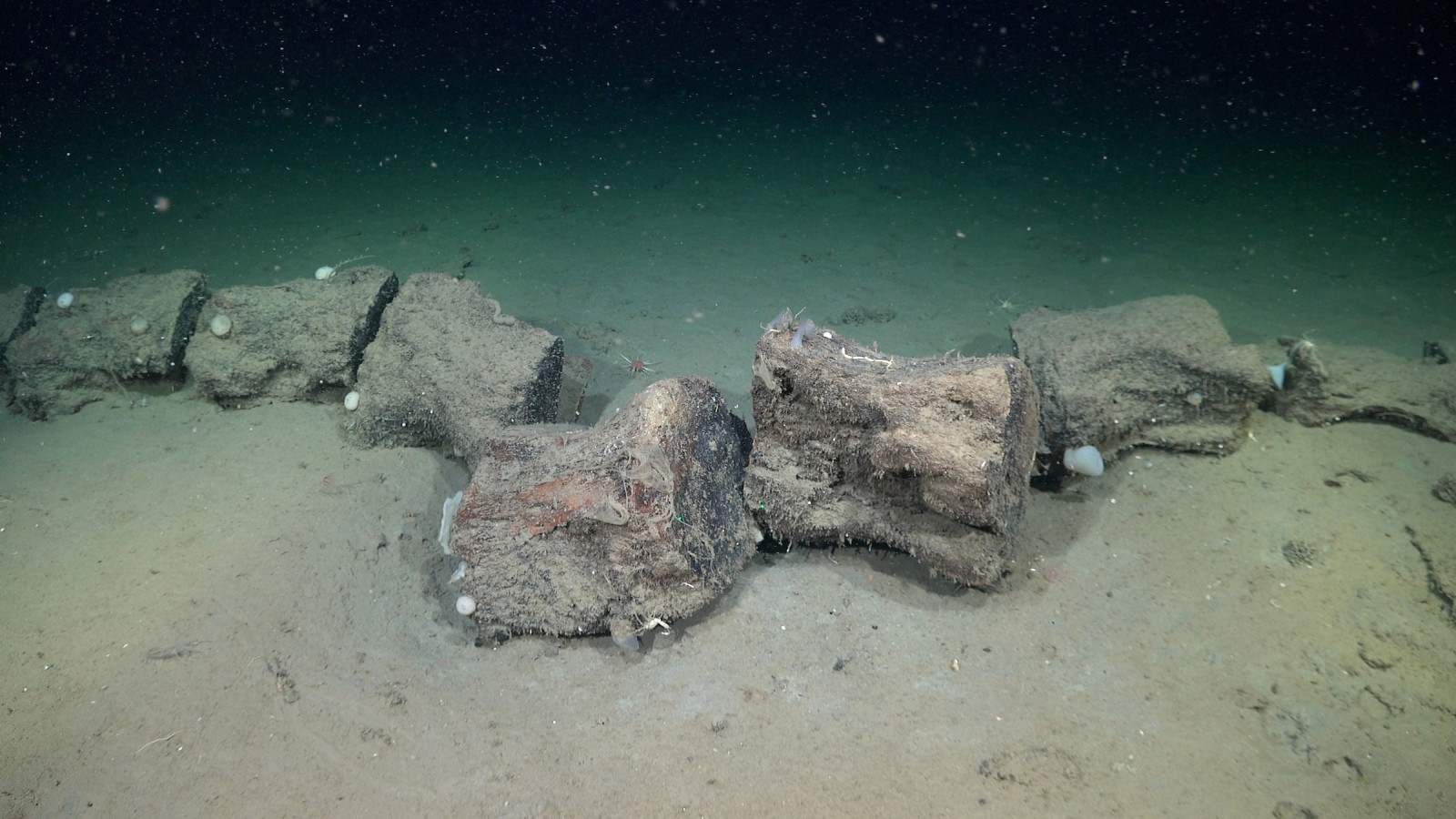
This event represents the first confirmed observation of a whale fall in Argentine deep waters. While such phenomena have been documented previously in the North Pacific and North Atlantic, data from the South Atlantic remain scarce. The team estimates the carcass to be several decades old, pending further dating analyses.
Phantom Jellyfish Sighted at Midwater Depths
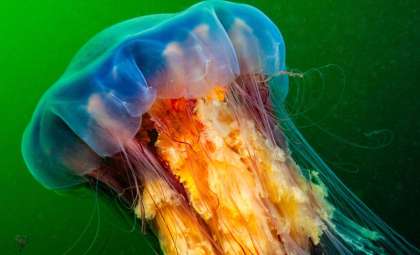
At roughly 250 meters below the surface, ROV SuBastian recorded a free-swimming Stygiomedusa gigantea, a seldom-seen jellyfish species that lacks stinging tentacles. This jellyfish utilizes four lengthy oral arms to capture small fish and plankton, and its bell can grow beyond one meter in diameter.
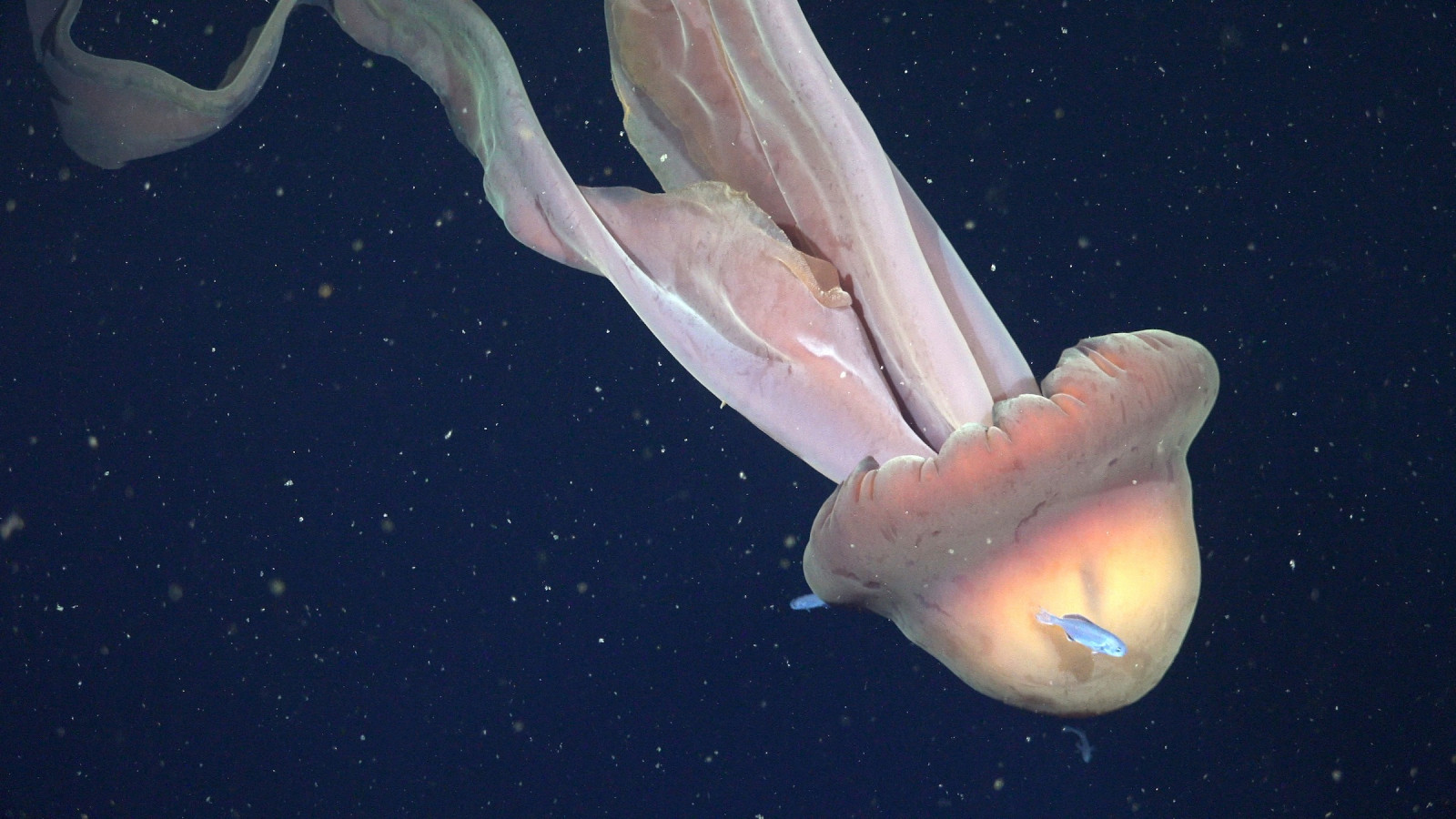
This observation was cross-referenced with previous sightings based on its distinct morphology. Although S. gigantea has been seen in other global deep-sea regions, this marks its first verified sighting in Argentinian waters. The footage displayed juvenile fish swimming close to or inside the jelly’s bell, a behavior documented elsewhere but novel for this area.
The public summary from Schmidt Ocean Institute highlights that the species “may grow as long as a school bus” yet remains elusive despite its impressive size.
Chemosynthetic Clam Fields Discovered Alongside Plastic Pollution
The mission’s core focus was to identify and study cold seep habitats, where methane and hydrogen sulfide seep from the seafloor, sustaining unique microbial communities. The team found an active seep spanning about one square kilometer, featuring dense beds of chemosynthetic clams and methane-related carbonate deposits.
The clam species belonged to genera like Archivesica and Calyptogena, which rely on symbiotic bacteria to oxidize methane or sulfide compounds. These communities thrive without sunlight and commonly occur near tectonic boundaries or sediment basins. While their presence was suspected in Argentine waters, this discovery confirms their extensive distribution.
Remarkably, the team also encountered multiple examples of human debris, including fishing equipment, plastic bags, and a well-preserved VHS tape labeled in Korean. The origin and age of the tape remain a mystery, but its condition illustrates the persistent durability of plastic pollution in deep ocean habitats.
- Categories:
- Nature

0 comments
Sign in to Comment