
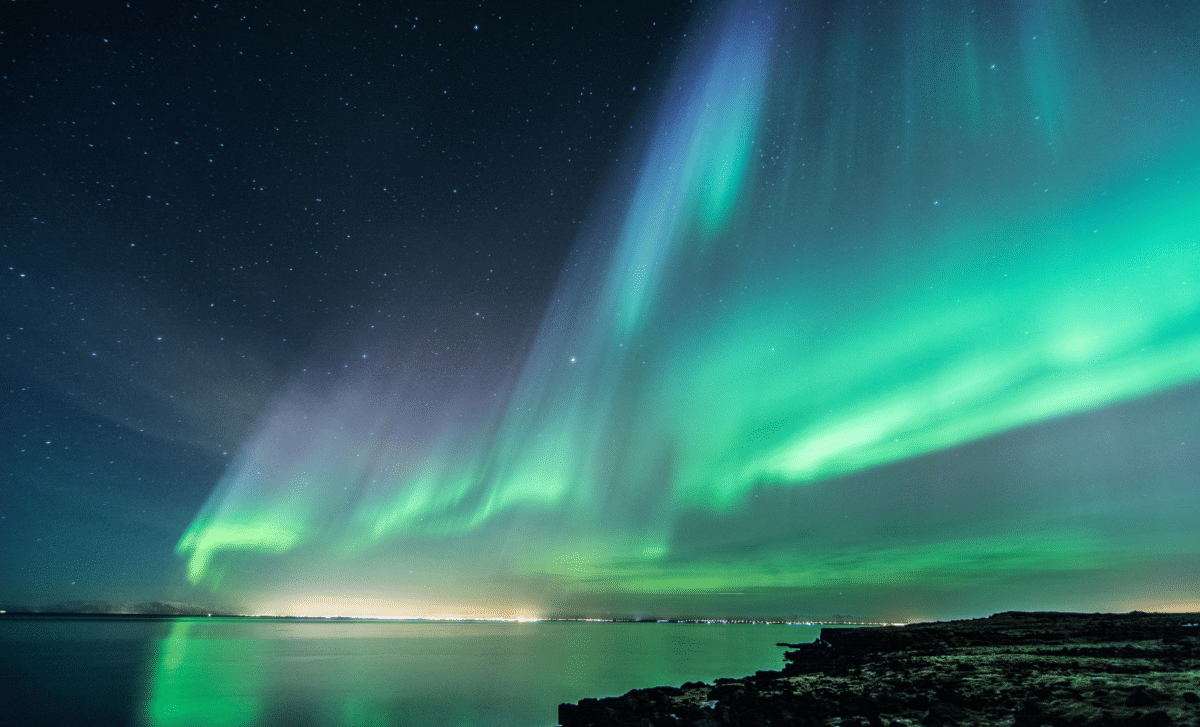
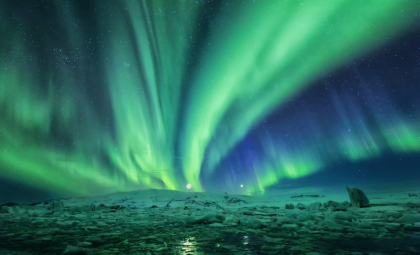
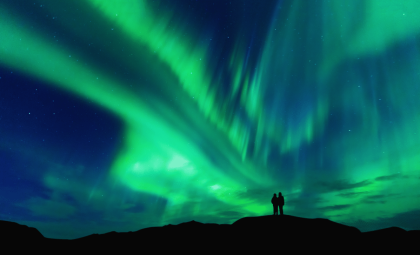
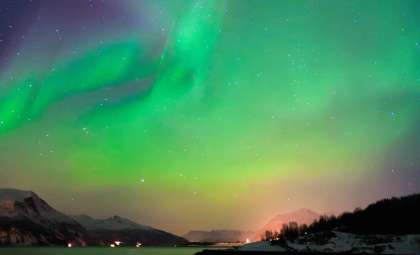
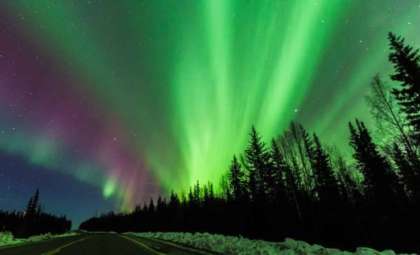
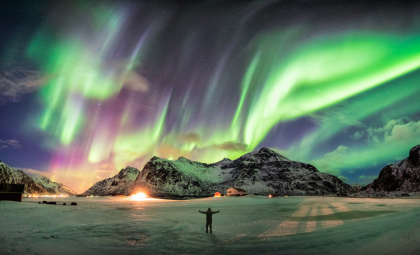
The latest forecast from NOAA signals an exciting chance for observers across parts of northern America to catch a glimpse of the aurora borealis. Although the geomagnetic activity is not predicted to reach intense storm levels, conditions appear suitable for many locations to see vivid green and purple lights flickering in the night sky. With clear, dark conditions and minimal moonlight coinciding with the weekend, the upcoming night could provide an excellent viewing opportunity.
Regions Likely to Experience the Northern Lights
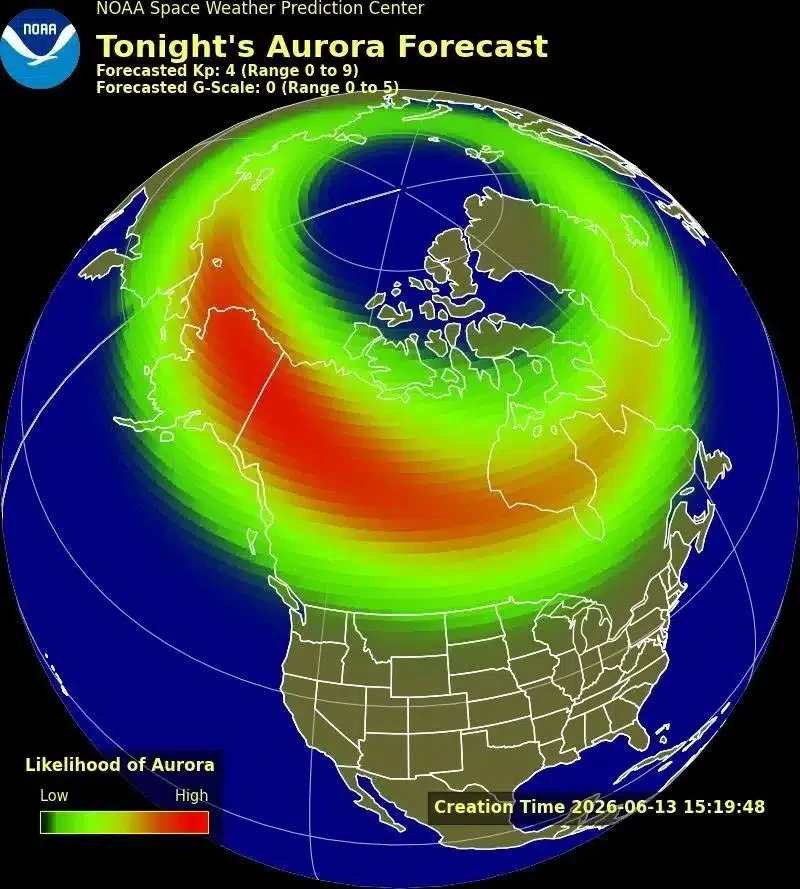
The forecast highlights that the highest probability to witness the northern lights stretches along the border between the U.S. and Canada. This includes northern sectors of Washington, Idaho, Montana, North Dakota, South Dakota, Minnesota, Wisconsin, and Michigan’s Upper Peninsula. Alaska, as usual, retains a prime vantage point with a significantly stronger likelihood of aurora activity than locations further south.
Keep in mind that visibility doesn’t always guarantee a spectacular overhead display. In many areas, the aurora may hover low near the northern horizon, especially in states at the lower edge of the forecast zone. Weather plays a significant role; clear skies are essential since clouds can completely obscure auroral shows. Observers might need to be patient as activity often varies throughout the night, sometimes intensifying briefly before fading. Traveling to darker, less light-polluted rural areas can improve chances considerably, especially for those near the forecast boundary.

What Makes Tonight’s Auroral Forecast Stand Out
This prediction is based on a projected Kp index of 4, an established scale scientists use to gauge geomagnetic disturbances globally. A Kp at this moderate level can provoke appealing aurora displays in regions close to the northern United States. This doesn’t signal a strong geomagnetic storm but generates enough excitement among astrophotographers, hobbyists, and casual skywatchers eager to catch the natural light show.
The timing is beneficial. The Sun's current activity cycle phase has kept solar conditions elevated, resulting in more frequent aurora events than typically seen in recent years. Aurora forecasts draw significant interest due to the phenomenon’s rapid variability—displays can differ vastly from night to night. Even mild forecasts sometimes produce striking auroras when solar wind interactions align favorably with Earth’s magnetic field, adding to the allure of aurora watching for many across North America.
NOAA Indicates a Brief Window of Aurora Activity
NOAA reports that no strong geomagnetic storms are expected for Saturday night, following moderate storm conditions predicted for Friday. Their analysis also suggests that the Kp index will likely drop to 3 by Sunday night, lessening the chance of aurora visibility across U.S. northern states and shifting better viewing prospects northward into Canada and Alaska.
Because of this, tonight’s forecasted display is particularly significant for residents of northern border regions, where similar chances may not appear soon. Aurora forecasting can shift suddenly as new solar data arrives, but current models suggest Saturday night offers the weekend’s best aurora viewing window. This encourages enthusiasts to seize clear skies on offer now rather than wait for future, uncertain opportunities.
Tips for Increasing Your Aurora Viewing Success
Seasoned aurora observers advise heading towards areas with open northern horizons and low artificial light. Ideal spots include rural countryside, hilltops, open fields, or lakeside locations. In more urban environments, light pollution can severely limit visibility, especially when auroras are faint.
The peak display period usually falls between 10 p.m. and 2 a.m. local time, though shows can happen outside these hours. An added bonus tonight is the Moon’s waning crescent phase, with just about 3% illumination, meaning very little moonlight will interfere. This makes fainter auroral details easier to discern against the dark sky. Additionally, modern smartphones and long exposure cameras can reveal nuanced aurora colors and patterns that may be hard to detect otherwise, making photography a popular way to experience aurora events.
- Categories:
- News


0 comments
Sign in to Comment