

A comprehensive genetic investigation has uncovered a surprising association between vitamin B1 levels and the frequency of bathroom visits. This research points to specific genetic differences that may influence how thiamine is processed by the body.
Researchers from around the globe examined genetic information from over 268,000 participants. Their results, featured in the Gut journal, reveal 21 genetic loci connected to bowel movement patterns, reigniting interest in vitamin B1’s role.
Exploring the Genetics Behind Digestive Transit
Bowel movement habits provide key insights into digestive transit time, which, when abnormal, contribute to issues such as constipation, diarrhea, and irritable bowel syndrome (IBS). Despite their clinical importance, the mechanisms governing these processes have remained largely elusive.

The study, published in the Gut journal, was led by Professor Mauro D’Amato of LUM University and CIC bioGUNE. They probed genetic and health data from 268,606 individuals of European and East Asian ancestry to pinpoint DNA variants associated with stool frequency—a direct marker of bathroom visit frequency.
The Role of Bile, Nerve Pathways, and Nutrition
This extensive genome-wide screen uncovered 21 genetic regions affecting gut motility, including 10 novel loci. Many were linked to known pathways managing bowel function, such as bile acid metabolism and acetylcholine-mediated nerve signals, which coordinate the contractions of intestinal muscles.
Among the most notable were two genes, SLC35F3 and XPR1, which are key to thiamine transport and activation. This unexpected connection shifted the researchers' focus toward nutrient metabolism’s influence on digestive function.
Vitamin B1’s Varying Impact Based on Genetics
To assess vitamin B1’s true effect on bowel frequency, dietary data from 98,449 participants in the UK Biobank was examined. Results demonstrated a definitive correlation: higher thiamine intake generally corresponded to more frequent bowel movements, though individual genetic differences affected this relationship.
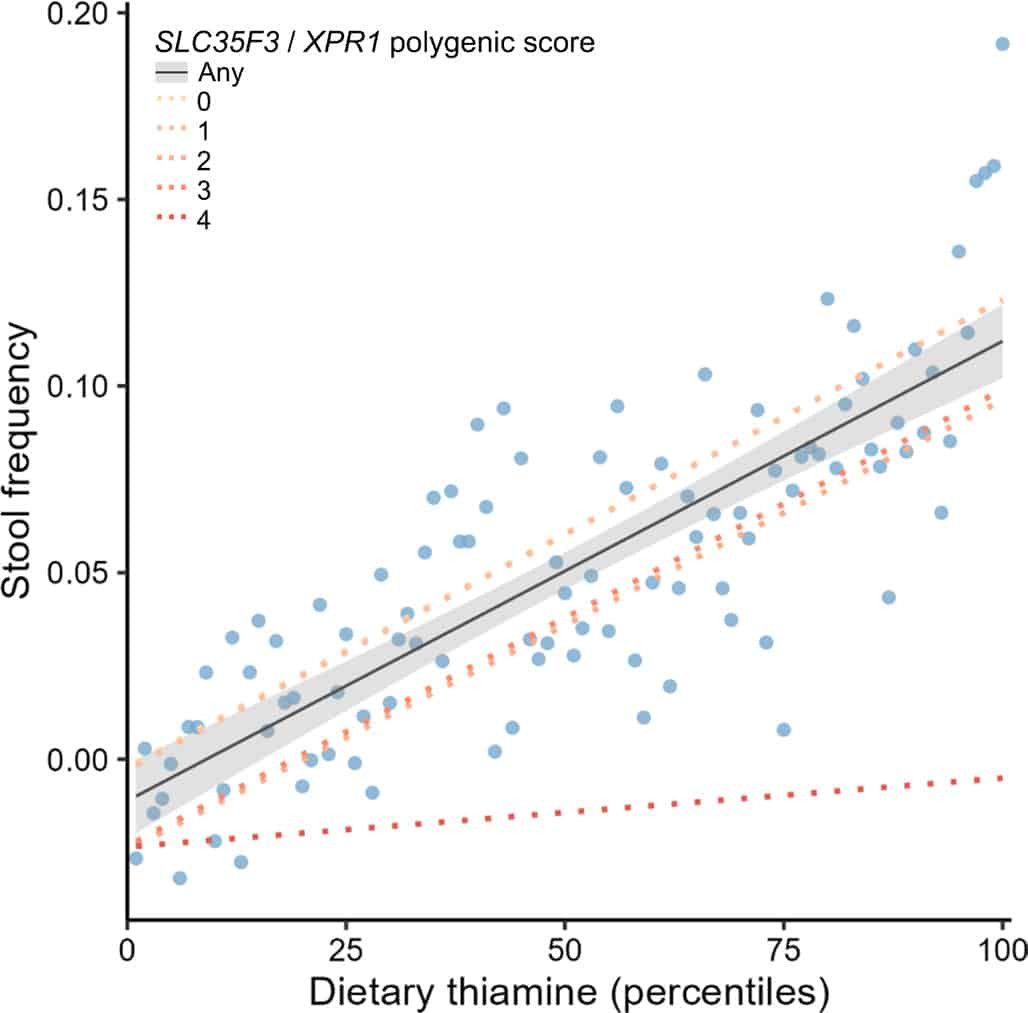
Specifically, certain variants in SLC35F3 and XPR1 genes heightened sensitivity to thiamine intake, indicating that thiamine’s influence on gut function is shaped by genetics as well as diet. The researchers framed this as a “combined genetic score,” reflecting the complex interplay between nutrition and gut motility.
New Possibilities for IBS Treatment
These insights could transform approaches to digestive health. The authors emphasized a “shared biological basis” linking stool frequency with disorders like IBS. Since irregular gut motility is central to these conditions, identifying relevant genetic pathways may aid in creating targeted therapies.
Dr. Cristian Diaz-Muñoz, the lead author, characterized the findings as a biological “roadmap” for understanding how digestive pace is regulated.
“We used genetics to build a roadmap of biological pathways that set the gut’s pace. What stood out was how strongly the data pointed to vitamin B1 metabolism, alongside established mechanisms like bile acids and nerve signaling.”
Though therapeutic applications were not directly examined, the results pave the way for future research aimed at developing personalized treatment strategies.
- Categories:
- Health









0 comments
Sign in to Comment