
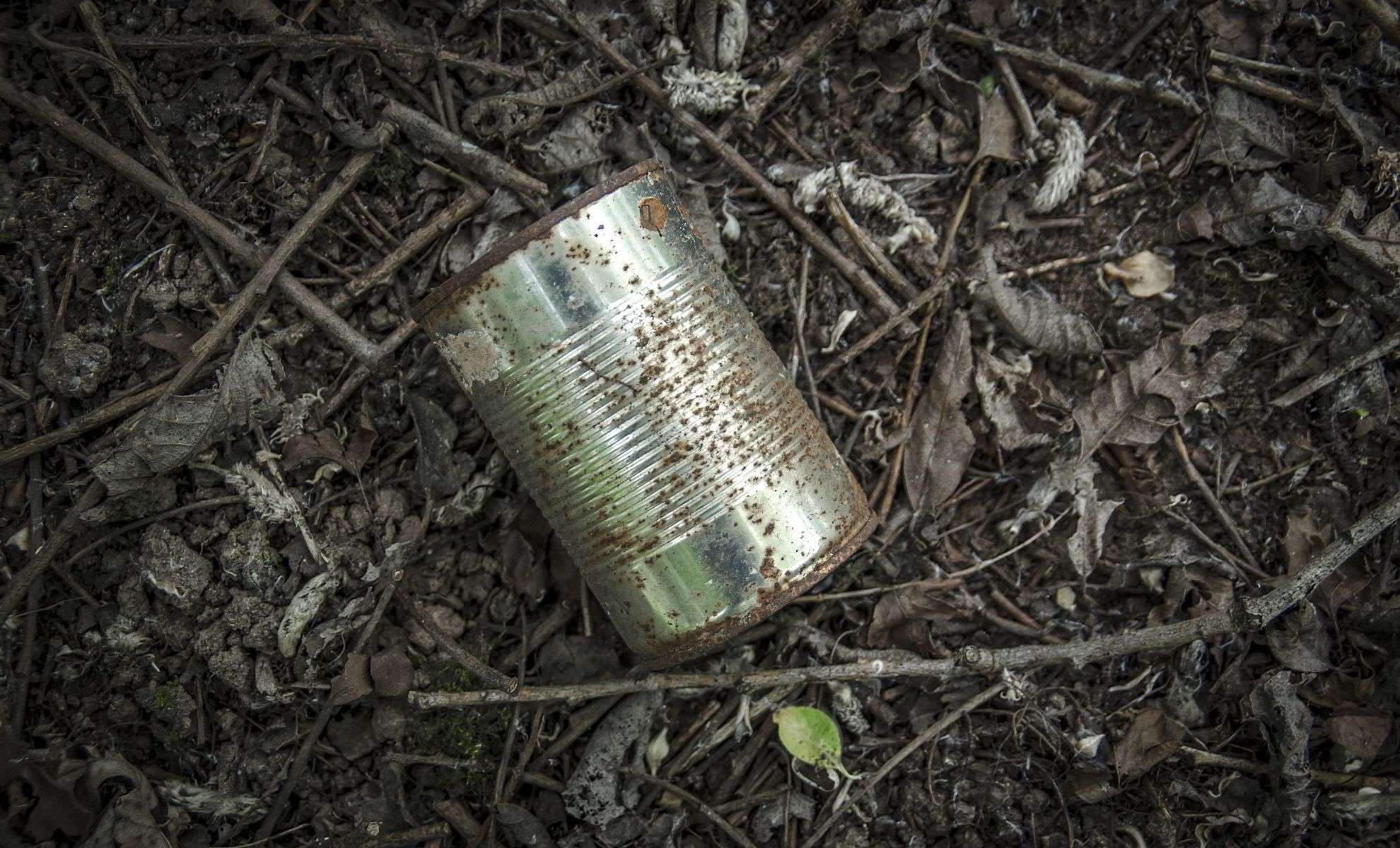
An abandoned can of salmon from the 1970s has offered scientists an extraordinary insight into past marine environments. Experts at the University of Washington discovered well-preserved marine parasites inside the aged fish, revealing decades of uncharted ecological information. This previously overlooked canned fish sample is now contributing to knowledge about shifts in ocean ecosystems across the last 40 years.
An Unexpected Find in Long-Expired Seafood
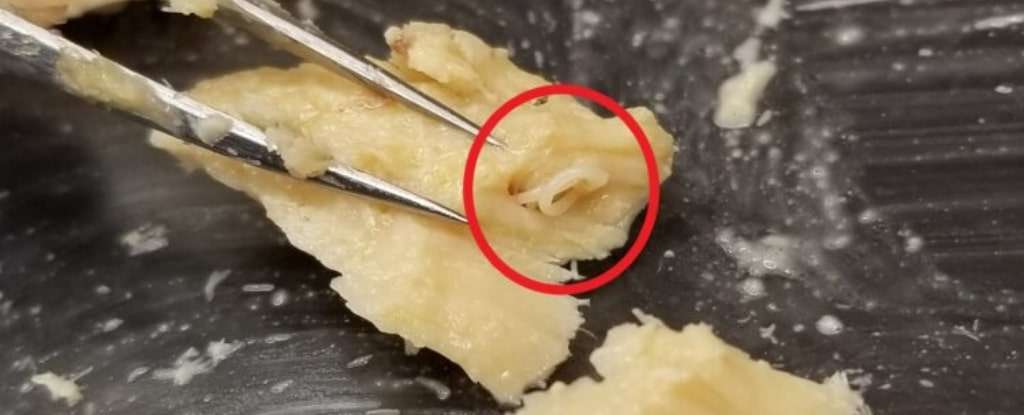
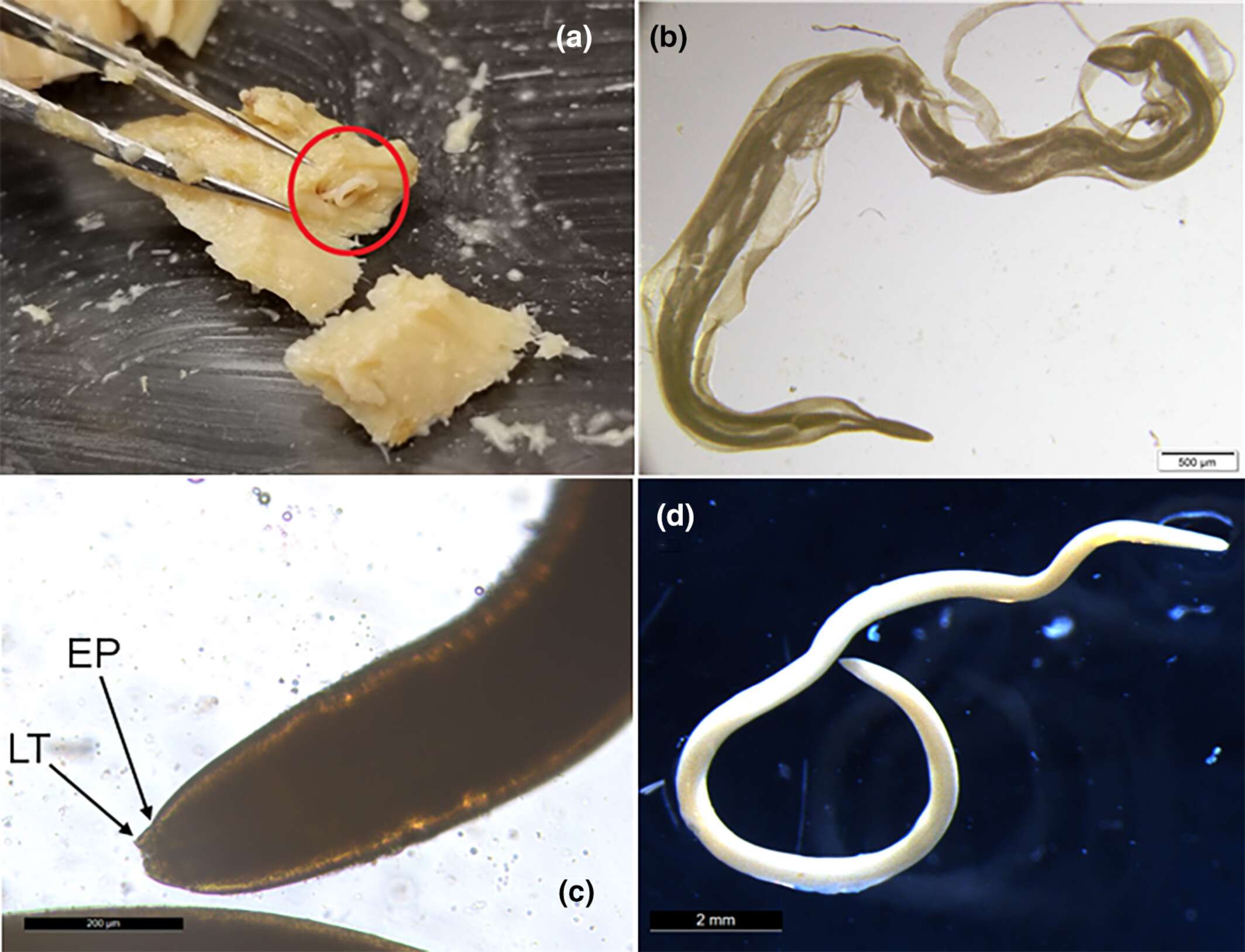
While examining nearly 180 canned salmon specimens spanning from 1979 to 2021, researchers Natalie Mastick and Chelsea Wood uncovered an astonishing surprise. Hidden within the salmon were anisakid worms, tiny parasites about an inch in length. Despite exposure to heat and extensive age, these worms remained exceptionally intact. Rather than indicating spoilage, these parasites revealed a far more valuable story.
Chelsea Wood explained that their findings, published in Ecology and Evolution, showed anisakids’ presence doesn’t always mean contamination. Instead, it suggests that the fish originated from a thriving ecosystem.

These parasites have a complex life cycle—starting in krill, progressing into fish like salmon, and finally maturing inside marine mammals. Their persistent presence after decades makes them useful indicators for assessing the health of ocean habitats over time.
Salmon Samples That Reveal Broader Environmental Trends
The studied salmon were sourced from two major regions: the Gulf of Alaska and Bristol Bay. Four salmon species—including chum, coho, pink, and sockeye—were identified across 178 canned samples. Although canning affects biological materials, scientists still quantified parasite numbers per gram of fish.
This data enabled researchers to track how parasite populations shifted over decades. Both chum and pink salmon exhibited increasing parasite levels, pointing toward a possibly thriving or recovering ecosystem. Natalie Mastick shared that:
“This increase might indicate a stable or recovering ecosystem, with enough hosts to support anisakids.”
On the other hand, coho and sockeye salmon showed consistent parasite counts, sparking further inquiries about parasite-host dynamics in these species.
How Old Canned Salmon Became a New Research Resource
Repurposing expired canned salmon as ecological archives offers marine scientists an innovative method for studying historical ocean changes. With samples dating back to the 1970s, this approach tracks long-term parasite trends and ecosystem status without needing fresh specimens. What was once merely preserved food now functions as a surprising biological time capsule, shedding light on how marine species and food webs may have adapted over time—possibly influenced by climate change.
What began as an investigation into forgotten canned goods has evolved into a remarkable exploration of marine history. By analyzing preserved parasites like anisakids, researchers are uncovering important patterns that reveal how these parasites coexist and interact with their fish hosts.
- Categories:
- News






0 comments
Sign in to Comment