
Researchers have identified a small segment of the human genome that may have played a crucial role in shaping our capacity for language. New findings indicate these genetic elements existed prior to the evolutionary split between modern humans and Neanderthals.
Featured in Science Advances, this investigation was conducted by the team at University of Iowa Health Care, who explored the role of particular genetic regulatory regions in influencing language skills. Their analysis integrated modern genomics with decades-old data gathered from hundreds of students.
Language is widely recognized as a defining human trait, and scientists have long sought to unravel its origins and evolutionary background. Instead of focusing directly on language itself, this study delves into the genetic factors that help form the brain structures supporting linguistic abilities.

Small Genetic Elements with Significant Influence
The focus of the study was on Human Ancestor Quickly Evolved Regions, abbreviated as HAQERs. Unlike genes, these are DNA regions that regulate gene expression—turning genes on or off as needed.
Jacob Michaelson, a psychiatry and neuroscience professor at the University of Iowa, notes that HAQERs constitute less than 0.1% of the human genome. Remarkably, these regions were found to exert about 200 times more influence on language capabilities than any other genetic segments.
“What we’re seeing is how a very small part of the genome can have an outsized influence, not just on who we were as a species, but on who we are as individuals,” Michaelson said.
The researchers liken HAQERs to volume knobs controlling gene activity, with the well-studied FOXP2 gene acting as a key component in adjusting those controls.
Decades of Research Finally Unveiled
The origins of this work trace back to a project initiated in the 1990s by Bruce Tomblin, distinguished professor emeritus in the University of Iowa's Department of Communication Sciences and Disorders.
During that period, Tomblin assessed language skills in approximately 350 Iowa students and collected saliva samples meant for future genetic research. These DNA samples were preserved until advancements in sequencing technologies made detailed examination possible.
The preserved genetic material subsequently enabled Michaelson and colleagues to probe how genetic variation influences language proficiency.
To pinpoint when these genetic effects emerged in evolutionary history, the team developed an evolutionary-stratified polygenic score (ES-PGS). This method allowed them to classify genetic contributions based on their evolutionary timing, spanning about 65 million years.
Language “Hardware” Originates Earlier Than Previously Assumed
A key revelation of the study is that these regulatory sections associated with language were already present before modern humans diverged from Neanderthals. Intriguingly, the genetic markers linked to HAQERs may have even been somewhat more pronounced in Neanderthals than in present-day humans.
“This HAQERs aspect, a sliver of the genome, has remained relatively constant, even as other aspects have been going up and up and up to make modern humans smarter and smarter,” Michaelson stated. “We can say humans at least had the ‘hardware’ for language earlier than what we previously thought.”
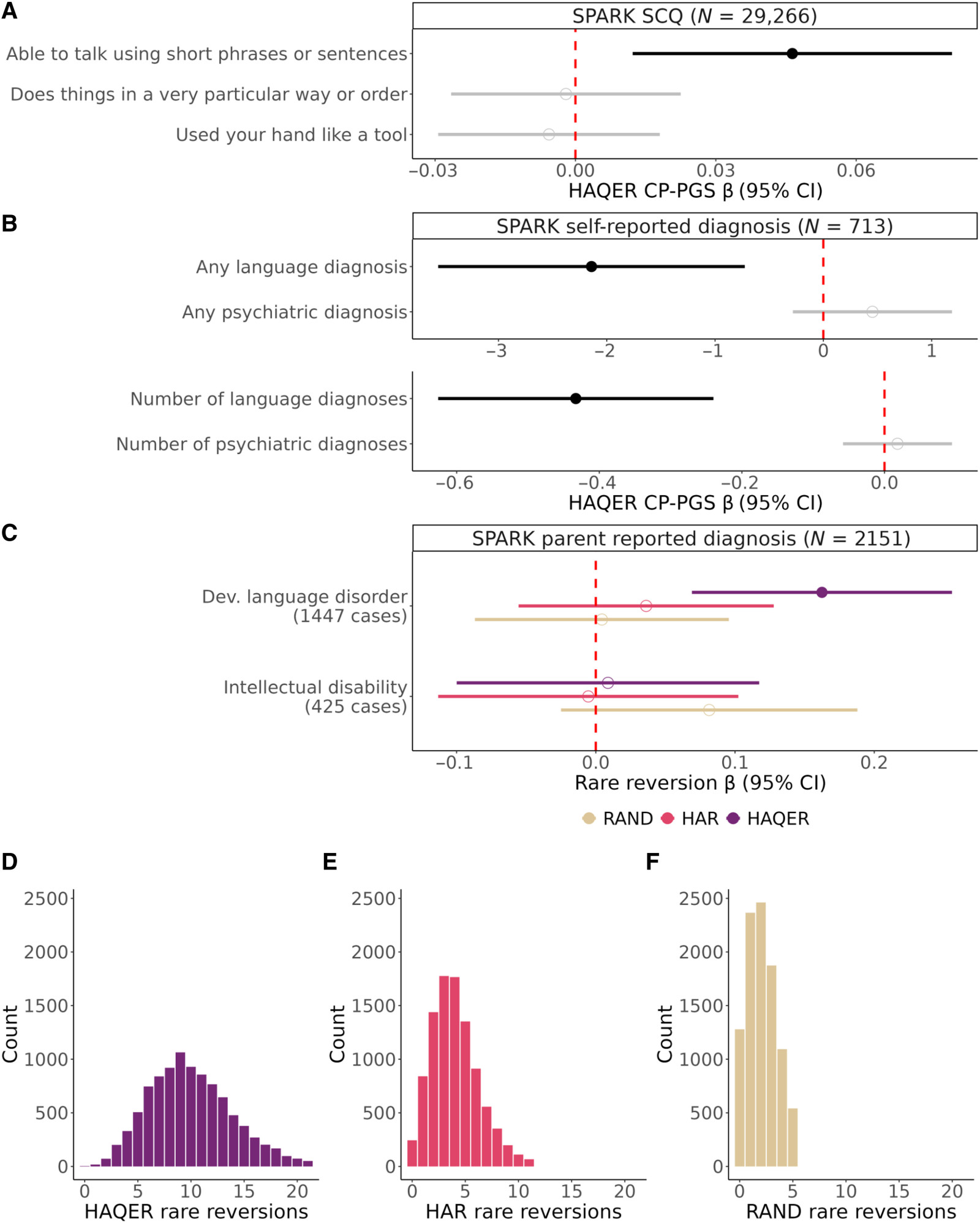
The team also investigated why these genetic sequences have stayed stable across millennia. They suggest that balancing selection may explain this equilibrium. HAQERs contribute to fetal brain growth and are related to increased brain and skull dimensions. However, larger infant head size can complicate childbirth, possibly limiting how much these traits could have evolved.
- Categories:
- Science











0 comments
Sign in to Comment