

Currently, there are more than 7,000 languages spoken worldwide, yet they may all trace back to a single origin from at least 135,000 years ago. Recent analysis proposes that a vital aspect of human language existed before our ancestors diverged into multiple groups.
By around 100,000 years ago, this linguistic evolution had significantly influenced human culture, as evidenced by symbolic objects like body adornments and carved designs.
Exploring the Roots of Language in Our Distant Ancestors
MIT linguist Shigeru Miyagawa suggests that language emerged prior to the first branching of populations. “Every global community has language, and all languages are interconnected,” he states.
Miyagawa and his associates argue that the timeline of language development played a crucial role in enhancing human cognition, spurring innovations characteristic of modern humans.

Genetic and Archaeological Evidence Supporting Early Language
The reviewed study analyzed 15 diverse research papers and found consistent findings across disciplines. Studies of whole genomes, Y chromosomes, and mitochondrial DNA point to early Homo sapiens branching into separate groups around 135,000 years ago.
If language originated later, some modern human populations might have lacked complex communication or employed fundamentally different communication methods, but this is not supported by evidence.
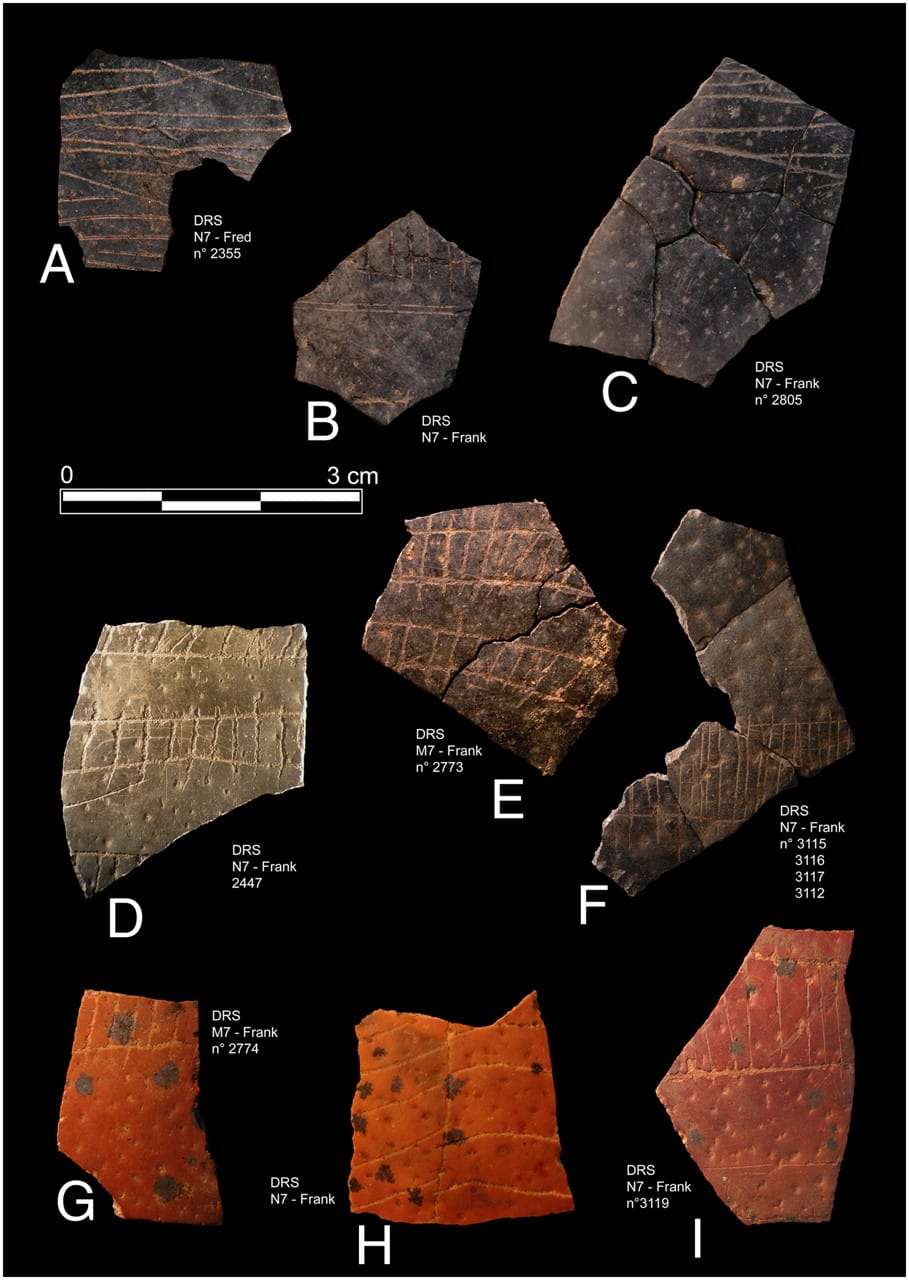
Artifact discoveries provide compelling insights, including engraved ostrich eggshells dating back 60,000 years. These etched symbols imply complex communication predates writing systems.
Additionally, 75,000-year-old shell beads from Africa indicate early symbolic activity tied to social identity and communication.
Miyagawa's team contends that language sparked such innovations. “It somehow enhanced human thought processes and shaped these behaviors,” he explains.
Was Language the Driver of Modern Human Behavior?
The research poses an intriguing question: Did language ignite the emergence of advanced human behaviors? Miyagawa supports this idea. “Language allowed people to share knowledge and encourage innovations seen from 100,000 years ago onward.”
However, some archaeologists disagree, suggesting these behavioral shifts happened gradually and were not solely reliant on language. They argue early humans developed more intricate tool use and social structures progressively before mastering full language.
Language abilities are also observed in species such as primates, birds, and dolphins, featuring organized communication systems.
Still, human symbolic language stands apart. Our use of metaphors, like “spill the beans” for revealing secrets, exemplifies abstract thinking. Miyagawa suggests this capacity enabled the development of intricate ideas and cultural knowledge passed down through generations.
The study emphasizes that symbolic thought distinguishes humans. “It allows us to craft complex ideas and convey them effectively,” Miyagawa notes, proposing language was pivotal in initiating modern human culture.
- Categories:
- Science













0 comments
Sign in to Comment