
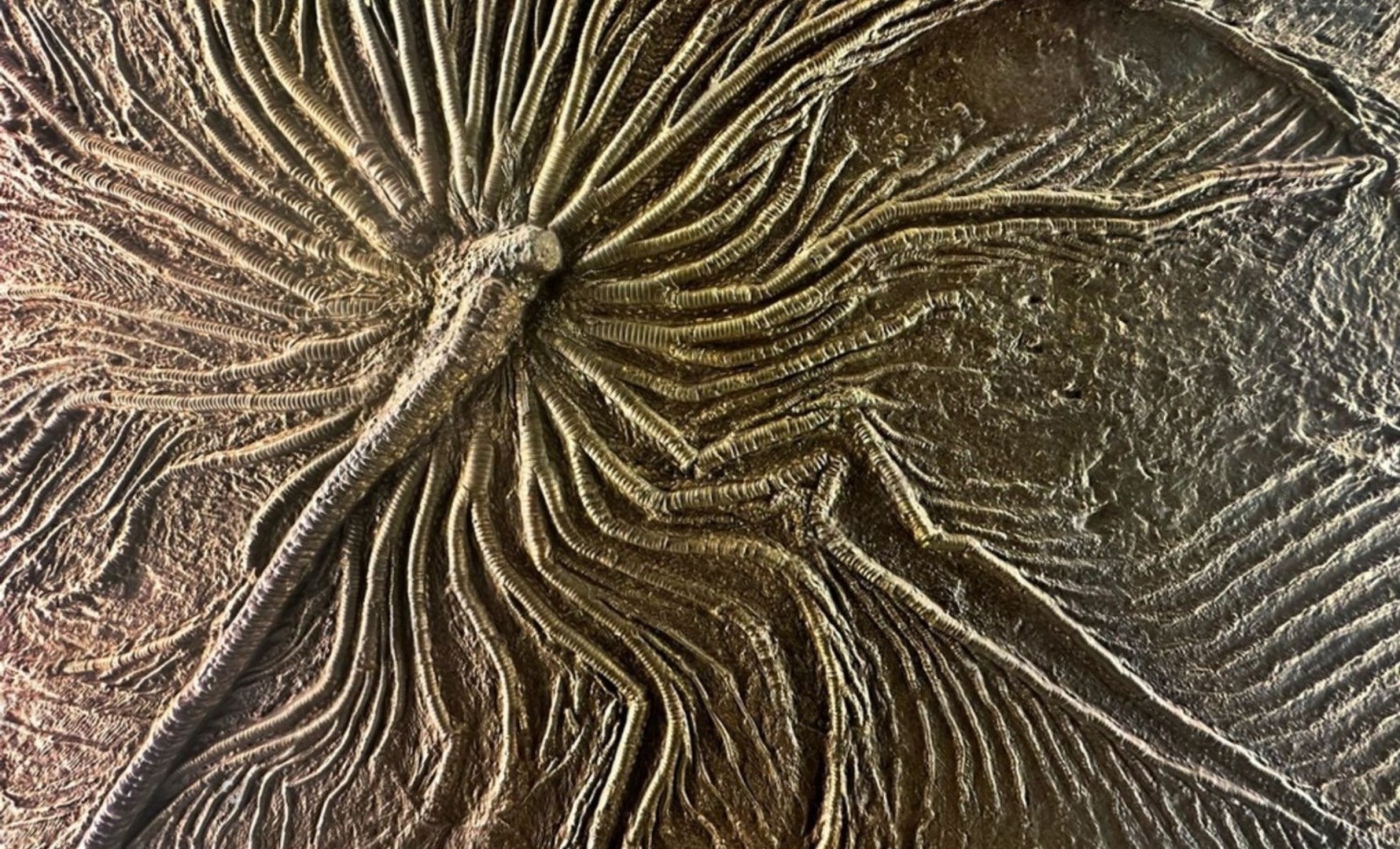
Imagine that your daily coffee and potatoes trace their lineage back 80 million years. A remarkable fossil discovery in California is challenging previous beliefs about the timeline of crucial flowering plants. This extraordinary specimen indicates that key crops like coffee, tomatoes, potatoes, and mint originated much earlier than once assumed. The find dates all the way to the Cretaceous era.
Named Palaeophytocrene chicoensis, this fossil was initially uncovered in the 1990s during construction near Granite Bay, California. Its true importance emerged only years later when Brian Atkinson, a paleobotanist at the University of Kansas, examined the specimen closely.
Unearthing a Botanical Puzzle in California
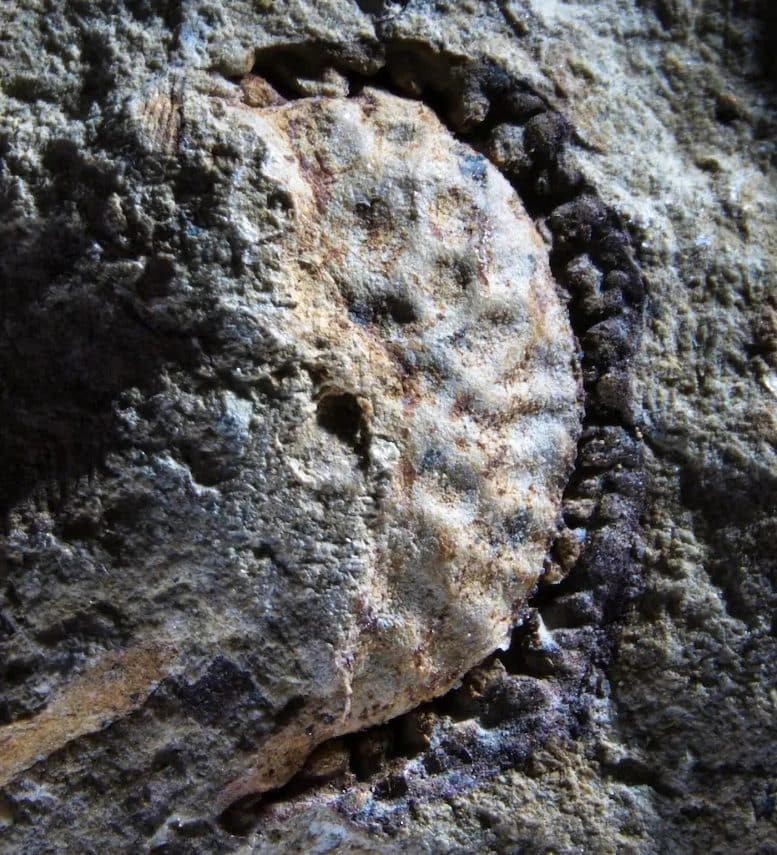
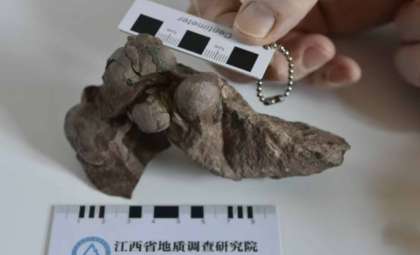
A fossil estimated at 80 million years old was stumbled upon in the Chico Formation by Granite Bay construction crews. The specimen caught the attention of Brian Atkinson after he encountered it in the Sierra College Natural History Museum's collection. He quickly understood the fossil's significance. The fruit belonged to the Icacinaceae family, a plant group previously only found in younger geological layers, making this an unprecedented discovery in Cretaceous strata.

“They gladly had me over to look at their fossil plant collection, and I was just kind of blown away by the diversity of plants that these guys were able to dig up in this housing development.” says Atkinson.
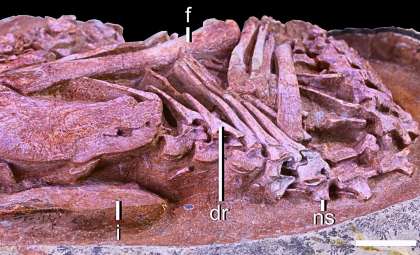
Preserved over millions of years, the fossilized fruit displays distinctive surface patterns matching plants known from much later time periods.
Revealing the Complexity of Ancient Rainforests
The research published in Nature Plants suggests that Cretaceous rainforests were potentially more diverse than previously thought. This fossil represents a lineage of plants that may have contributed to the structural makeup of prehistoric forests, playing a role akin to that of modern species.
Before the extinction event that ended the age of dinosaurs, conifers such as pines were dominant in Earth’s forests. However, this ancient botanical evidence hints at a rise in flowering plants, marking a transformation in the ecosystem.
“The fossil belongs to a group of lianas, which are woody vines that add structural complexity to rainforests. It shows us this group of flowering plants appeared super early in the fossil record. There’d been some hypotheses that they were around in the Cretaceous period — but no good clear evidence.”
Tracing the Evolution of Today’s Essential Crops
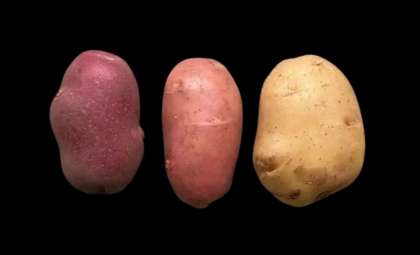
The plant Palaeophytocrene chicoensis is related to modern groups that include important crops such as coffee, potatoes, and mint. Atkinson’s work highlights that these familiar plants have deep evolutionary roots dating back to the Cretaceous period.
Plants survived the catastrophic extinction event that ended the era of dinosaurs and gradually evolved into the varieties we consume now. Atkinson aims to understand how these species endured such a massive global transformation.
“I’ve been trying to characterize these evolutionary events of flowering plants in the Cretaceous period, when the diversity of these plants just exploded,” he said.
- Categories:
- Science





0 comments
Sign in to Comment