
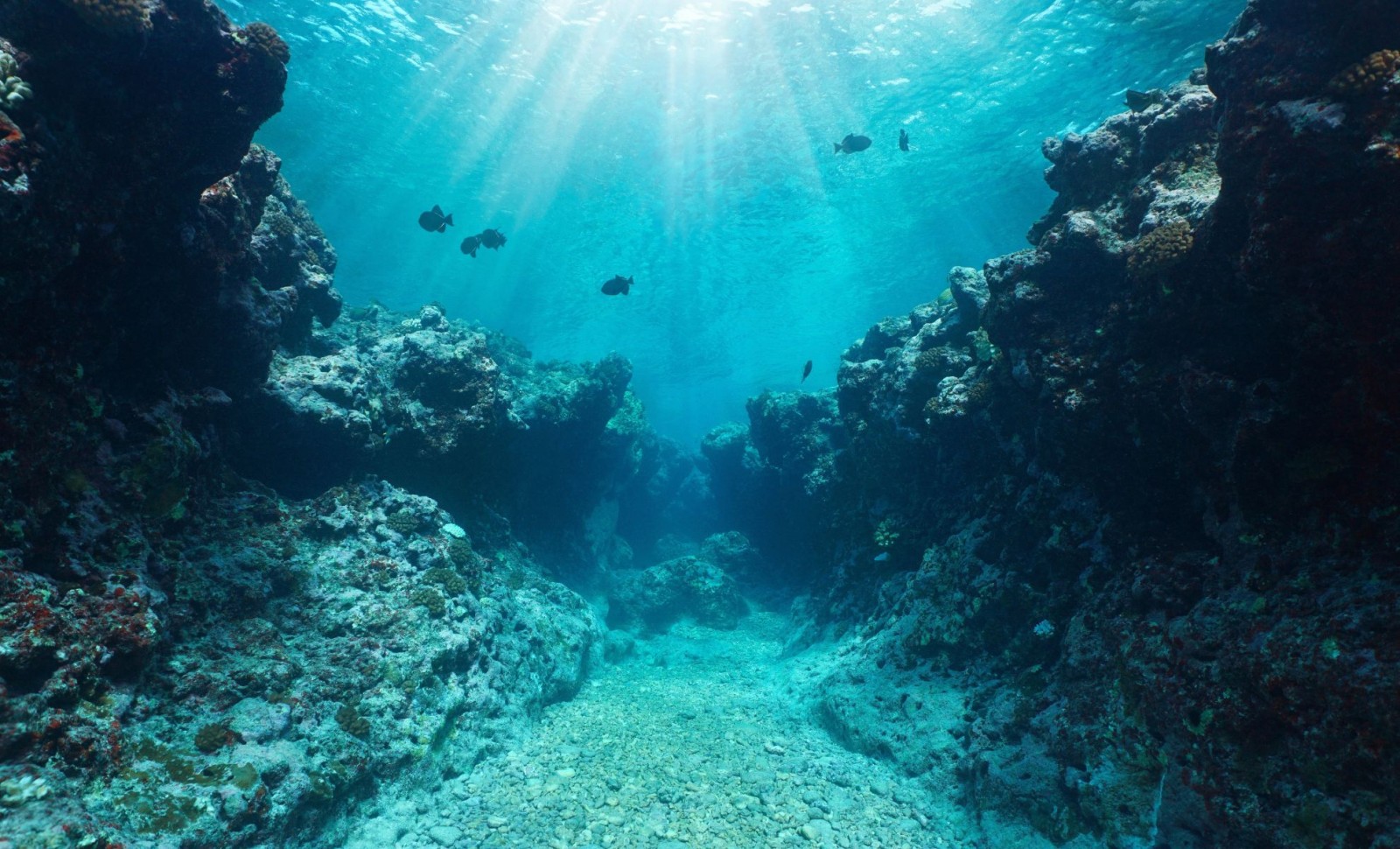
Nearly 10,000 meters beneath the Pacific Ocean’s surface, researchers have uncovered extraordinary creatures that could shed light on life's potential beyond our planet. These deep-sea dwellers survive entirely without sunlight, relying instead on chemical energy sources that may resemble extraterrestrial life processes.
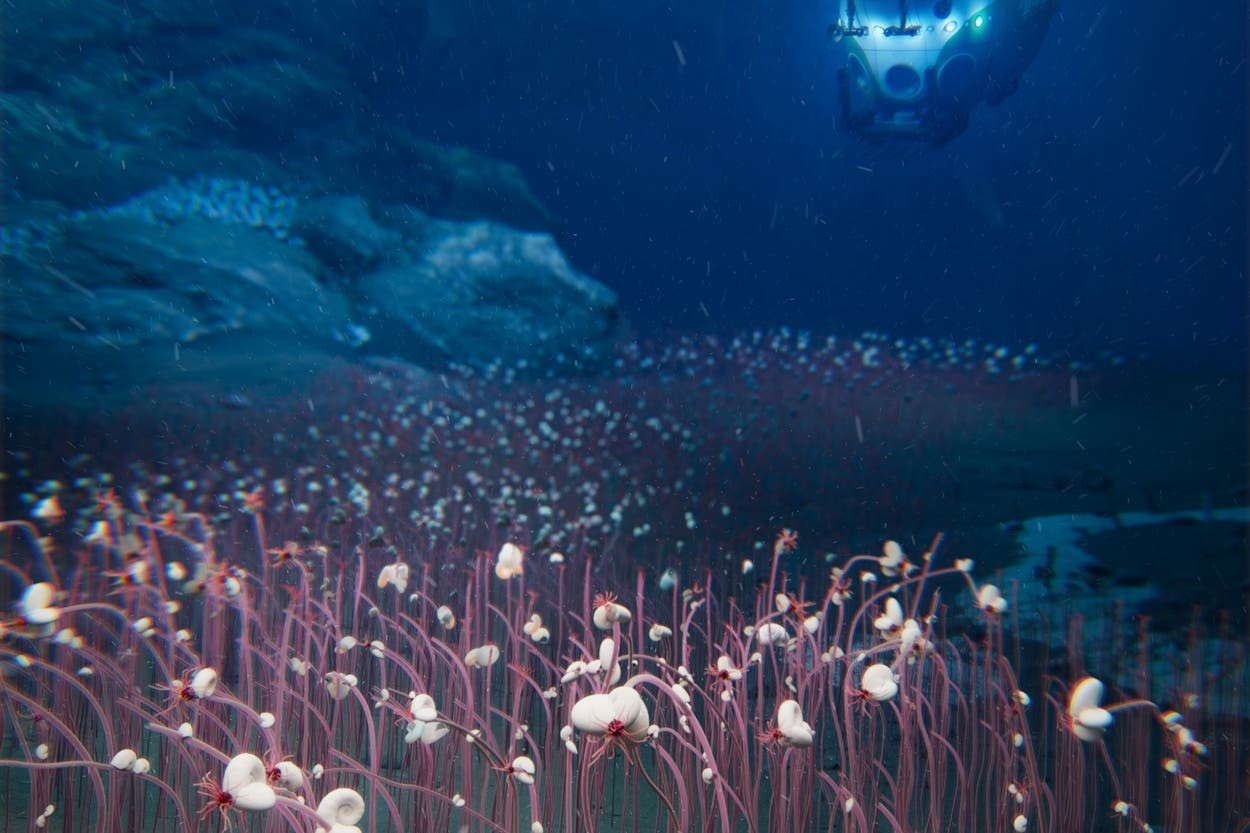
During an extensive journey spanning 2,500 kilometers across the Pacific's deep ocean trenches, scientists encountered remarkable species such as tube worms and mollusks. These organisms bypass the need for sunlight, instead harnessing energy through chemosynthesis — a biochemical process fueled by chemicals seeping up from the seafloor.
Survival Beyond Sunlight
While most Earth life depends on sunlight for photosynthesis, supporting nearly all ecosystems, the abyssal depths tell a different story. The newly identified creatures thrive in complete darkness, obtaining nourishment from chemicals like hydrogen sulfide and methane that rise from beneath the seabed.

As detailed by The Independent, these extraordinary ecosystems operate independently of solar energy. Microbial life converts chemical compounds emitted from the planet’s crust into energy, sustaining the larger animals around them. These rare, elusive habitats confirm that life can flourish through energy sources otherwise inaccessible to most terrestrial organisms.
Thriving in Hostile Conditions
The environment at these extreme depths is unimaginably harsh: immense pressure, near-freezing temperatures, and total darkness. Yet, these organisms have evolved remarkable adaptations that allow them not just to survive but to sustain complex, stable communities.
Scientists explored these inaccessible regions using a manned submersible, covering over 2,500 kilometers of deep trenches in the Pacific. As noted in reports, the species discovered illustrate the incredible resilience and adaptability of life in conditions once thought untenable.
A Window to Life Beyond Earth
Experts suggest these findings could extend far beyond marine biology, offering clues about possible life on other celestial bodies. Ecosystems based on chemosynthesis might thrive wherever liquid water and the right chemical ingredients exist, even without sunlight.
The same report highlights the importance for astrobiologists to focus on environments within our solar system that resemble these deep ocean habitats. Icy moons such as Jupiter’s Europa and Saturn’s Enceladus, both thought to harbor subsurface oceans, may conceal similar life forms flourishing near hydrothermal vents beneath thick ice layers.
- Categories:
- Nature



0 comments
Sign in to Comment