
A groundbreaking study published in Nature Human Behaviour highlights discoveries from a cave in central Israel, suggesting Neanderthals and early Homo sapiens not only lived simultaneously but also exchanged knowledge and cultural practices, challenging previous beliefs about their relationship.
Discoveries at Tinshemet Cave
Led by Yossi Zaidner of the Hebrew University of Jerusalem, the research unearthed strong indications of cultural and technological collaboration among distinct human species during the Middle Paleolithic period in the Levant.
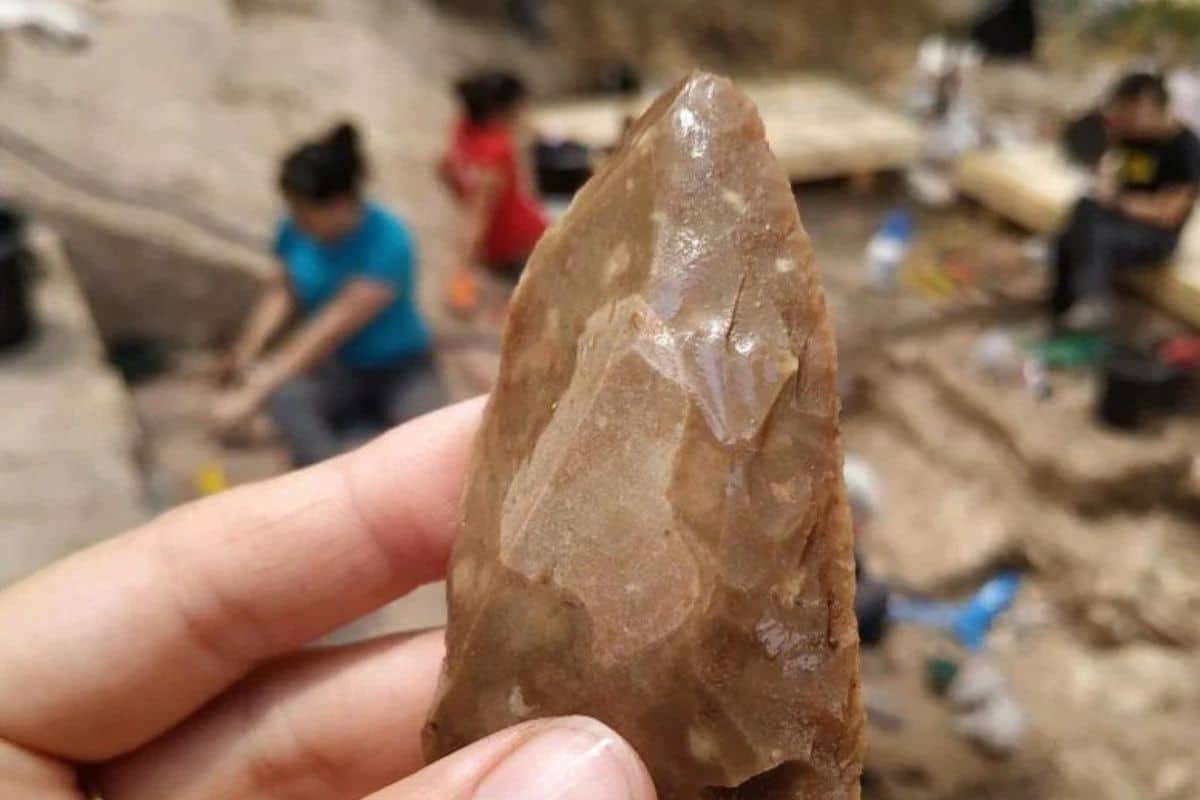
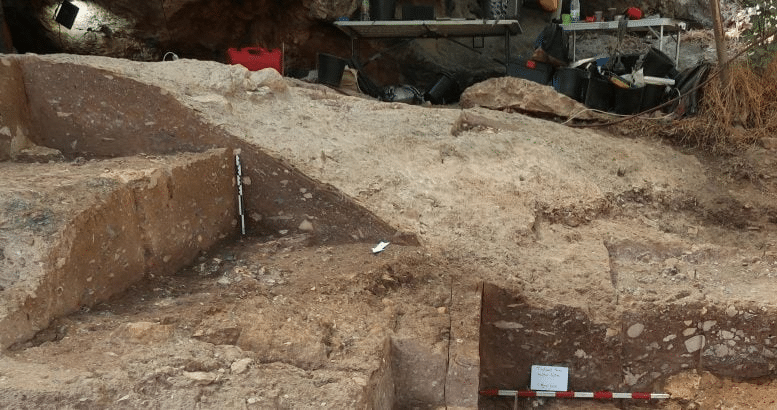
Investigations at Tinshemet Cave, dating back roughly 110,000 years, uncovered shared methods in crafting tools, symbolic expressions, and burial traditions. As the first published study on this site, it significantly alters perceptions of human interactions in prehistoric times.
Signs of Cultural Integration Over Isolation
Contrary to earlier theories that Neanderthals and Homo sapiens evolved with minimal contact, evidence from Tinshemet reveals a kind of cultural overlap.

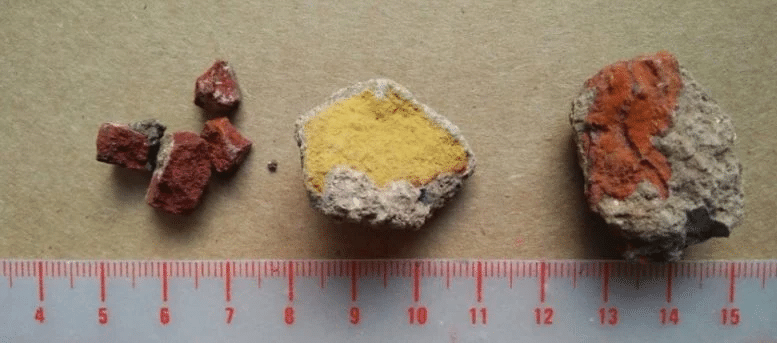
Findings demonstrate that both groups employed similar stone tool techniques, engaged in symbolic burials, and possibly used ochre pigments. These results suggest that customs and knowledge were exchanged rather than independently developed.
Items like tools, ochre pieces, and deliberately positioned bones found in burial clusters imply that early humans initiated structured mortuary rituals—previously thought exclusive to Homo sapiens.
At Tinshemet, such rituals appear among both groups, implying cultural convergence stemming from interaction instead of isolation.
Credit: Yossi Zaidner
The Levantine Corridor as a Hub of Human Activity
Situated in a crucial area called the “Levantine corridor”—a vital migratory pathway linking Africa, Asia, and Europe—Tinshemet Cave holds key evidence of prehistoric human contact.
Co-author Dr. Marion Prévost explains that favorable climate shifts during the mid-Middle Paleolithic boosted the region’s ability to support larger populations, intensifying interactions among various human groups.
Researchers propose this shared space fostered behavioral similarities seen across these populations, resulting from mutual learning and the sharing of symbolic rituals rather than purely environmental adaptation.
Rather than being zones of competition, these areas served as innovation centers where cooperation shaped early human culture.
Credit: Yossi Zaidner
Evidence of Early Social Complexity
A remarkable aspect of the findings is the potential identification of Tinshemet as a specialized burial location, possibly functioning as one of the earliest cemeteries. This reveals not only symbolic or spiritual conduct but also hints at community organization on a level previously unexpected for this timeframe.
The possibility that Homo sapiens and Neanderthals interred their dead together, decorated bodies, and shared tool use implies collaborative activities like hunting and storytelling may have been common.
Professor Zaidner emphasizes that the artifacts from this cave underline “that human connections and population interactions have been fundamental in driving cultural and technological innovations throughout history.”
- Categories:
- Science








0 comments
Sign in to Comment