
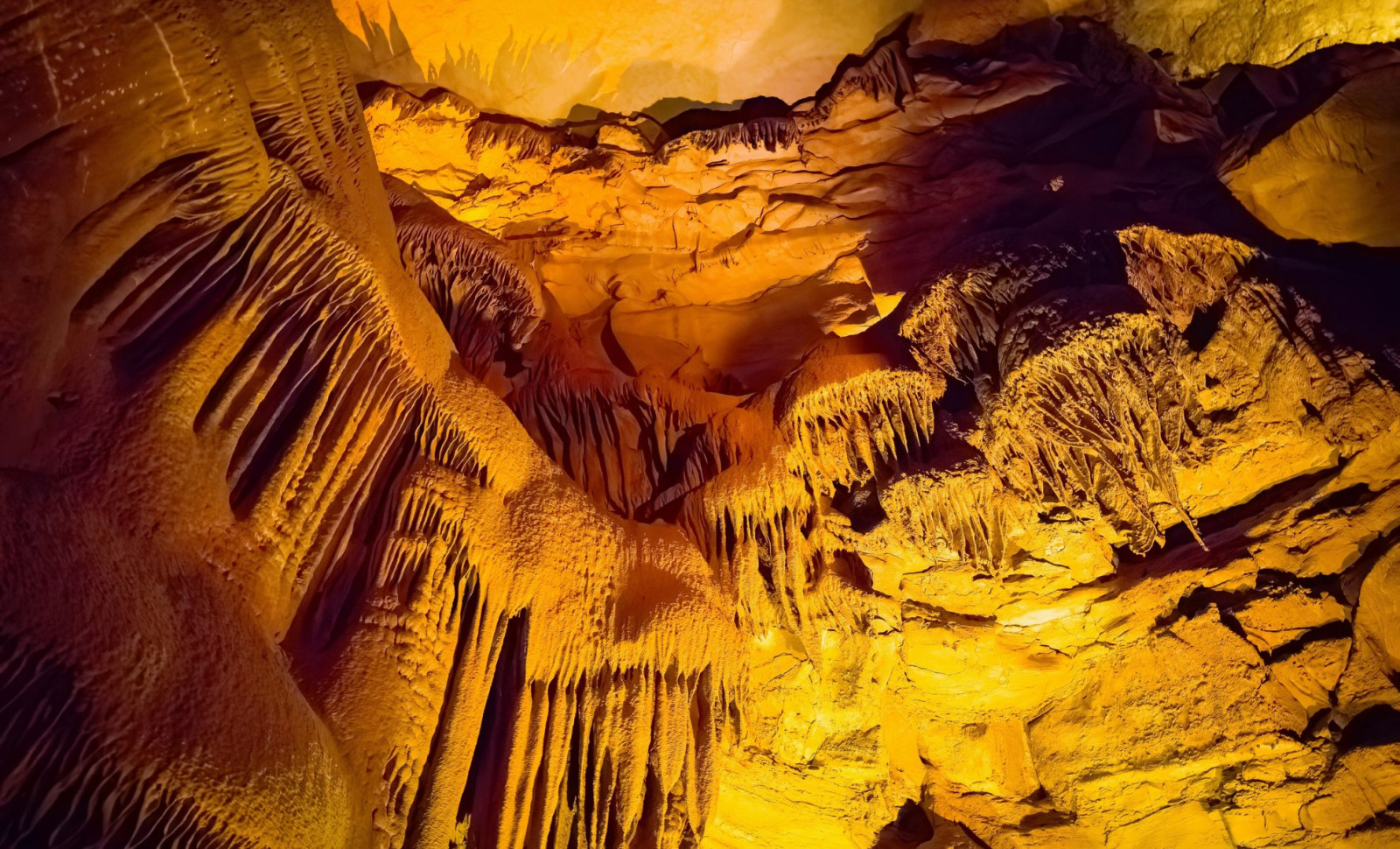
Spanning an astonishing 686 kilometers (426 miles) beneath Kentucky, Mammoth Cave holds the title of the world’s longest known cave system. This vast subterranean maze combines striking geological formations, millennia of human history, and an extraordinary array of life uniquely adapted to the underground environment.
Situated within Mammoth Cave National Park, this cave network has drawn explorers, scientists, and tourists alike for many years. Surveying efforts continue to reveal new passages, with experts convinced that still more undiscovered stretches lie hidden.
Internationally celebrated for its natural and biological importance, Mammoth Cave National Park earned UNESCO World Heritage recognition in 2002 for its distinctive limestone architecture and the rich biodiversity thriving within its confines.

A Growing Underground Marvel
Mammoth Cave currently boasts mapped passages reaching 426 miles, making it the longest cave system known globally. To put its enormity in perspective, Discover Wildlife highlighted that the Washington state coastline is only 400 kilometers (250 miles) long—significantly shorter than Mammoth Cave’s documented length.
This subterranean realm extends to a depth of 118 meters (379 feet) and is structured across five distinct levels. Despite decades of exploration, scientists believe many hidden corridors remain to be mapped.
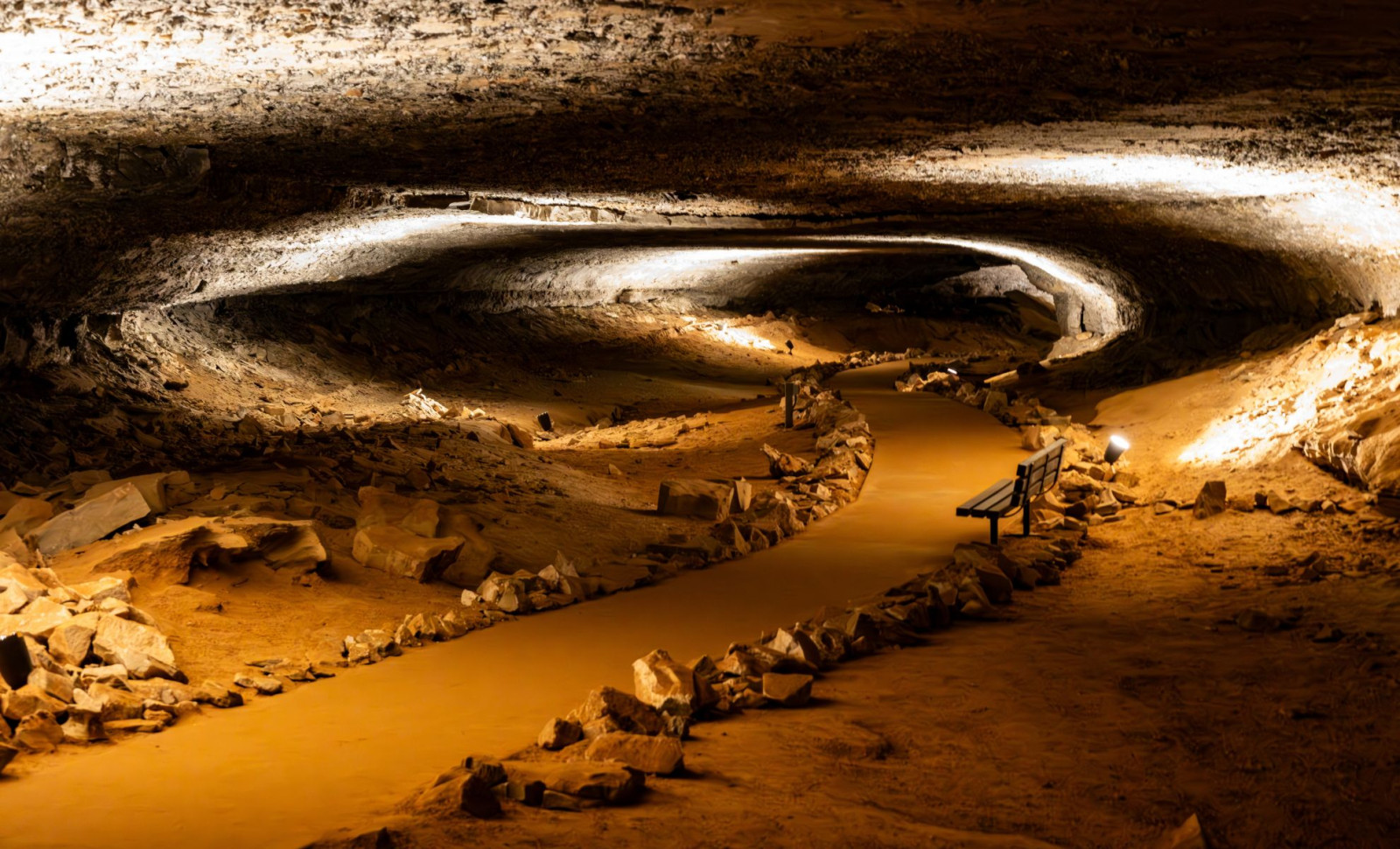
The history of Mammoth Cave changed forever in 1972. Before then, the Flint Ridge cave system nearby was considered the longest cave on Earth. Explorers suspected a subterranean connection between the two caves after discovering markings left behind by previous visitors.
Their hypothesis was confirmed on September 9, 1972, when a group of spelunkers dedicated 12 hours underground, eventually linking the systems into one network measuring 232.39 kilometers (144.4 miles) at the time. Further efforts since then have expanded this figure to today’s known scale.
A 5,000-Year Legacy of Cave Exploration
People have ventured into Mammoth Cave for thousands of years, long before modern scientific study began. According to the source, Indigenous peoples explored this cavern about 5,000 years ago, establishing it as one of North America’s longest continuously used sites.
The cave’s exploration also features Stephen Bishop, an enslaved guide and pivotal figure during the 1840s, who played a crucial role in illuminating Mammoth Cave’s geography.
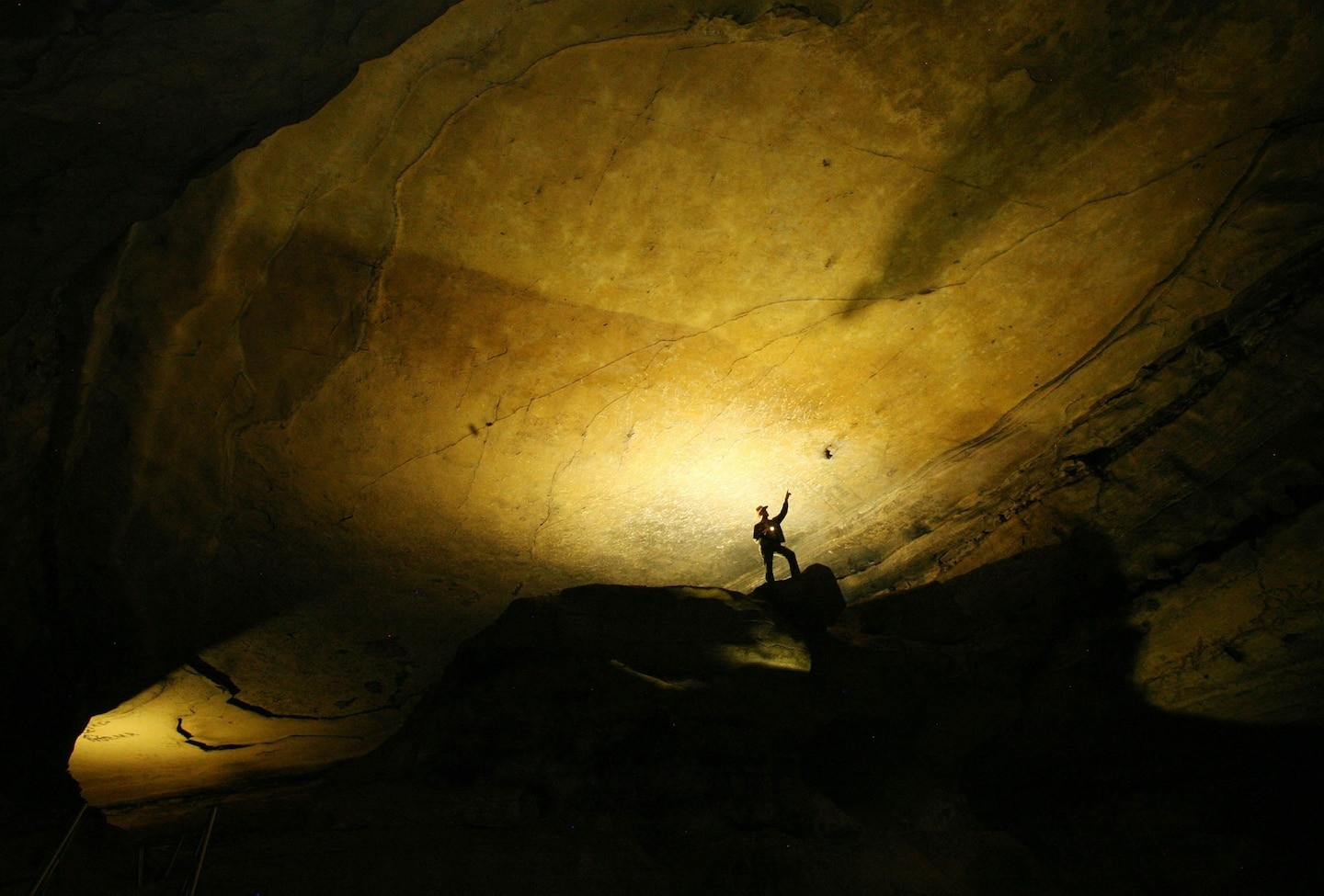
Bishop was responsible for creating one of the earliest maps of the cave system, enabling researchers and visitors to navigate its complex labyrinth. Successive generations of explorers have since broadened our understanding of this subterranean giant.
Unique Cave Species Thriving Below
Mammoth Cave is more than a geological wonder; it harbors a diverse ecosystem filled with species specially adapted to life in the dark.
Resident fauna includes cave crickets, fishing spiders, Allegheny woodrats, and Rafinesque big-eared bats. Of particular interest are the fishing spiders, notable for hunting aquatic prey in these subterranean waters.
These underground streams support fish species such as southern cave fish and northern cave fish, both of which live entirely below the surface. Additionally, a rare cave beetle species has been discovered exclusively here and in neighboring caves.
With approximately 130 recorded species, Mammoth Cave’s ecosystem ranks among the most biologically varied cave habitats. On the surface, the national park also provides refuge for wildlife such as white-tailed deer, red-tailed hawks, bald eagles, and eastern copperhead snakes.
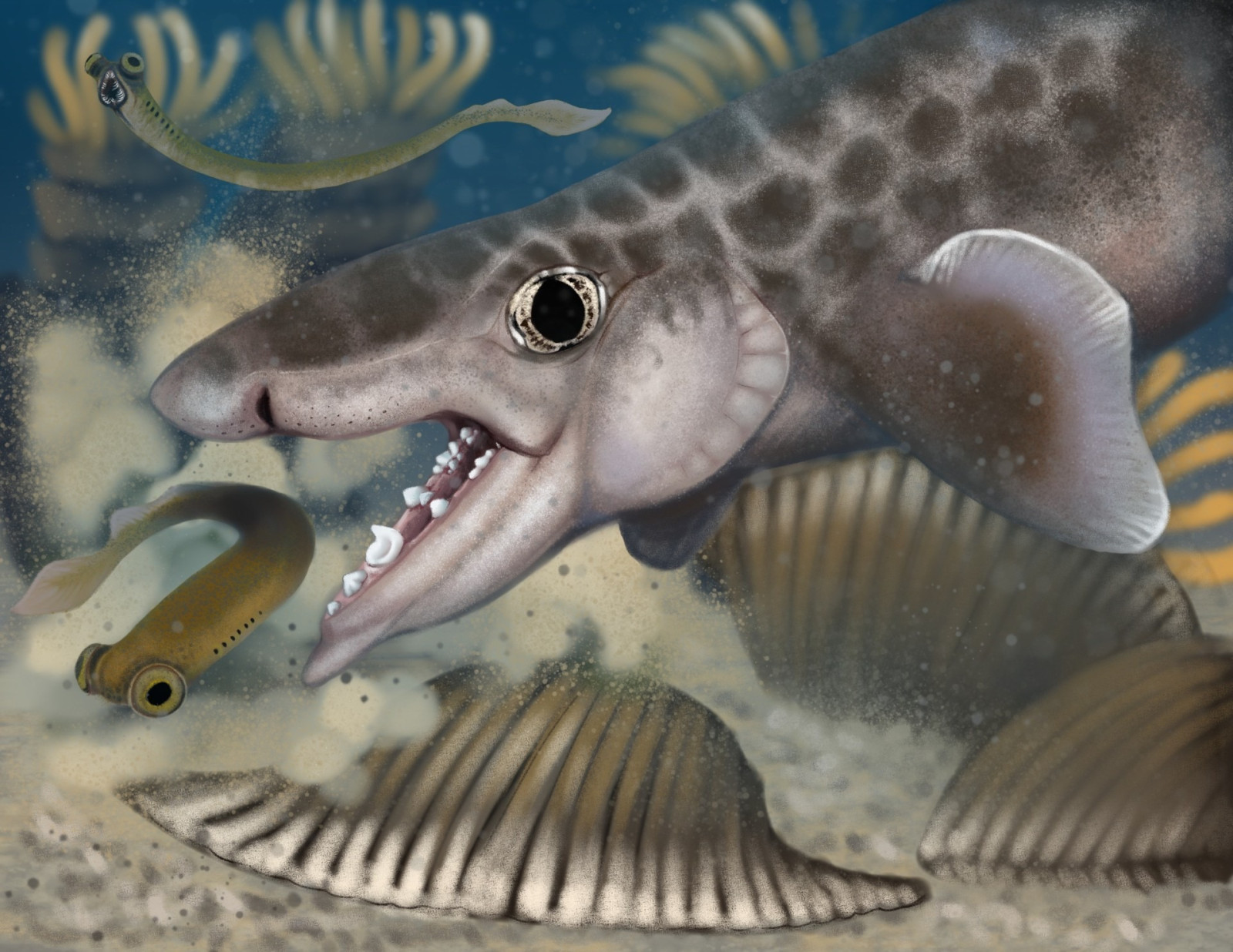
Ongoing scientific studies within the park continue to reveal surprising finds. As detailed in a statement from the National Park Service (NPS), fossils unearthed here led to the identification in 2025 of a previously unknown prehistoric shark species named Macadens olsoni.
- Categories:
- Science




0 comments
Sign in to Comment