
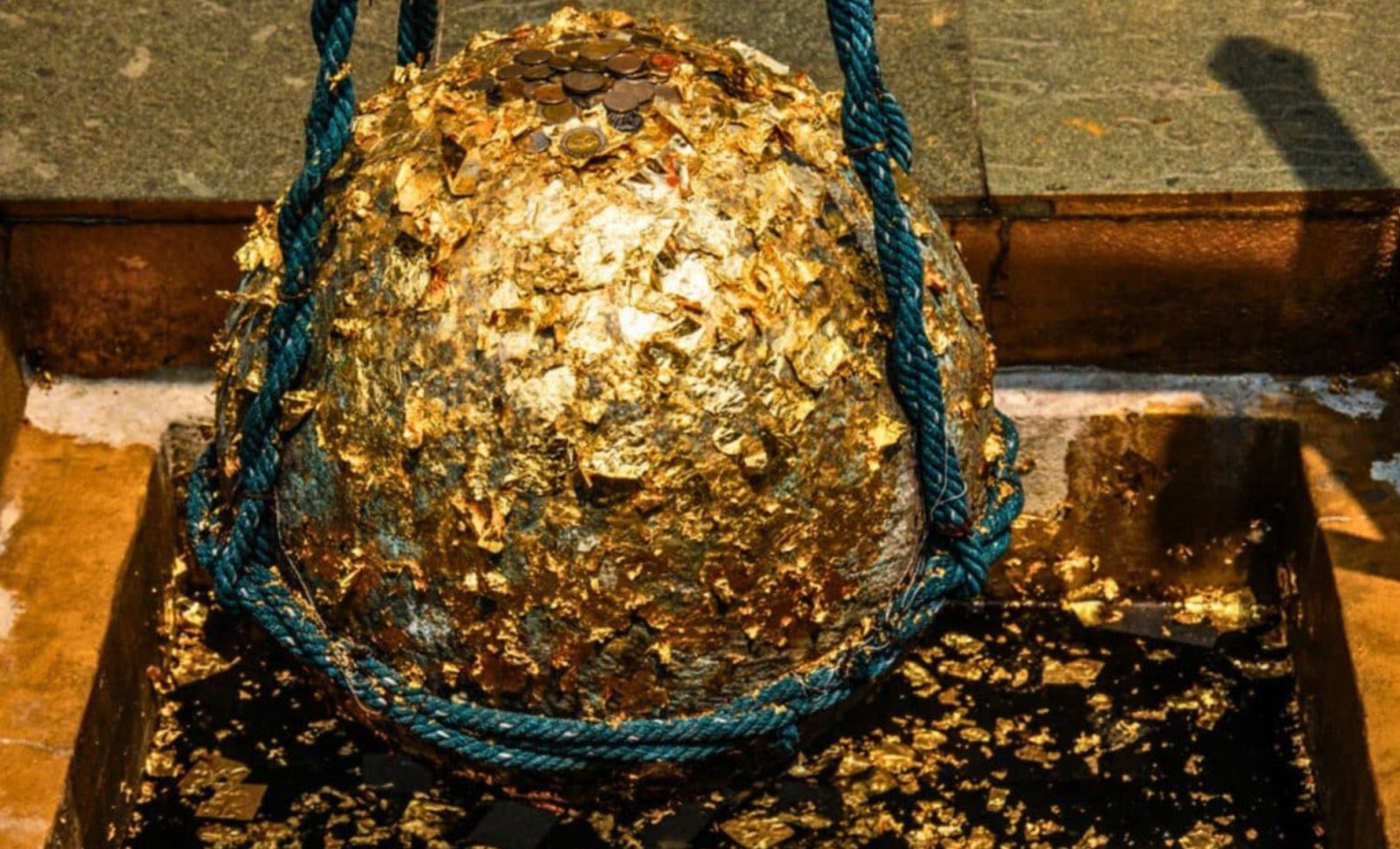
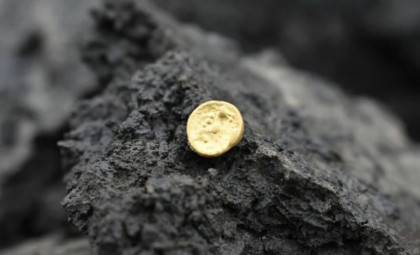
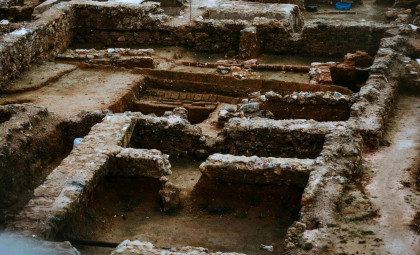
Archaeologists have uncovered a remarkable array of gold and silver Celtic coinage, Baltic amber, fragments of glass and mirrors, along with metal vessels near Hradec Králové, Czech Republic. These findings originate from a substantial La Tène era settlement revealed during construction for a new highway.
This significant site was announced by the Museum of East Bohemia in Hradec Králové, working alongside the University of Hradec Králové and Archaia Praha. The museum highlighted the rarity of the discovery because of its extensive area, state of conservation, and diversity of artifacts, tracing back to the La Tène period commonly linked to Celtic culture.
The location surfaced during preliminary surveys for the planned D35 highway. As the Czech Center Museum Houston explains, the site was first spotted in 2023 during land assessments and was excavated across two subsequent years. Lead archaeologist Matouš Holas told Czech Television the initial discoveries revealed the immense scale of the site, likely concealed until the highway project unearthed it.

Expansive 25-Hectare Archaeological Site Discovered
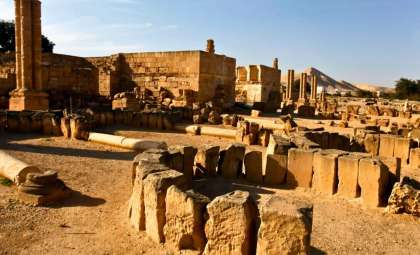
Spanning roughly 25 hectares (around 62 acres) near Hradec Králové, this settlement greatly exceeds the usual 1 to 2 hectares typical of Iron Age sites in the region. Experts have described it as one of the most extensive Celtic settlements identified in Central Europe, thanks to its dense layers and rich artifact variety.
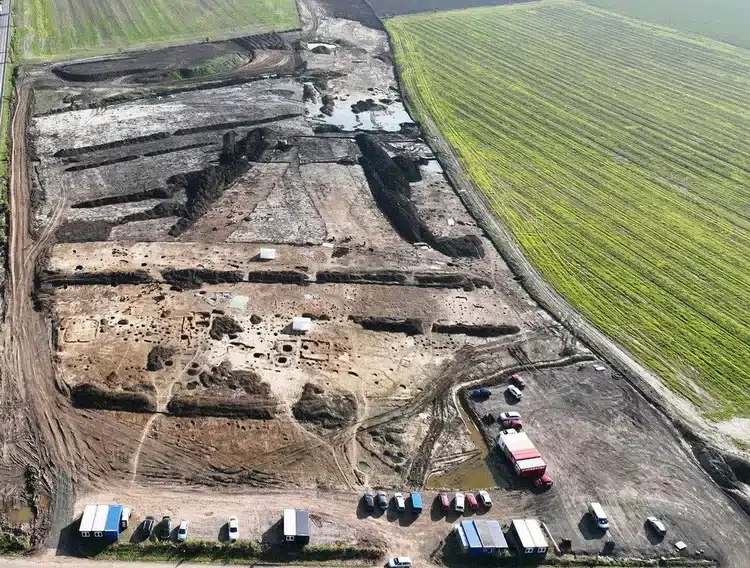
The Museum of East Bohemia dates the community’s height to the 2nd century B.C., predating the development of fortified oppida in the area. Whereas oppida are typically large, walled settlements, this site seems to have gained importance without such defenses. Its prominence may be on par with notable central settlements known from the Middle Danube and southern Germany regions.
Surprisingly, no defensive walls were detected. Archaeologists identified residential structures, workshop zones, and possibly one or two sanctuaries, but no fortifications. This absence makes it unclear whether inhabitants faced violent threats, suggesting a community focused more on craftsmanship, commerce, and ceremonial activities than on military protection.
Artifacts Indicate Extensive Trade Networks
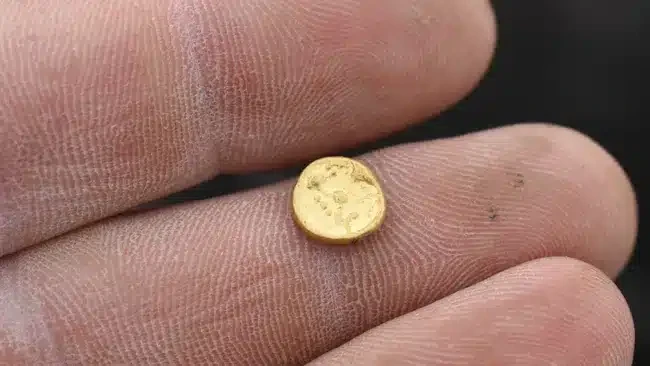
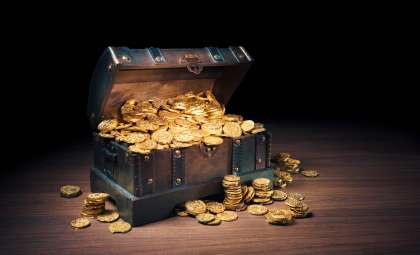
The excavation yielded gold and silver coins, coin-making dies, pottery shards, dwelling remains, and numerous metal artifacts. According to the museum, this was a significant hub for trade and production tied to far-reaching commercial routes. The presence of amber, valuable coinage, and fine ceramics underscores this interpretation.
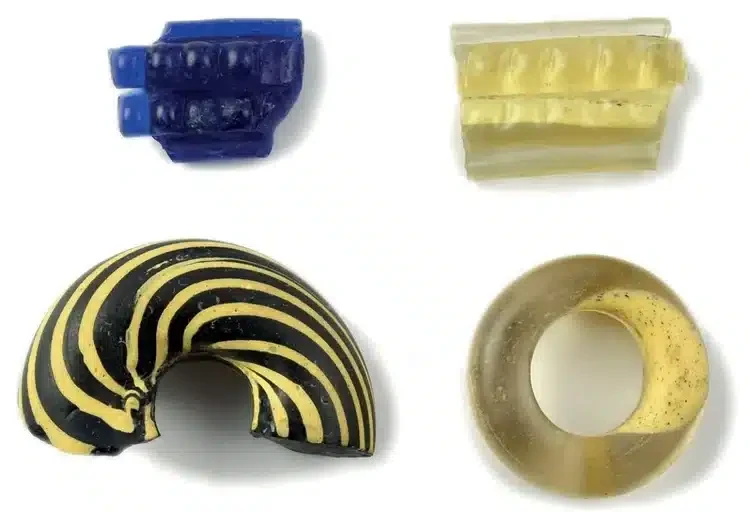
The Czech Center Museum Houston highlights items such as coins of various sizes, jewelry, glass fragments, pottery, mirrors, and metal containers recovered during digs. Small coins appear to be crafted in imitation of Roman currency from the same time period. Tools and workshop remnants also point to a community of artisans skilled in multiple crafts.
The sheer volume of discovered material is remarkable. While the Czech Center Museum Houston mentioned collecting around 13,000 collection bags of artifacts, the Museum of East Bohemia later cited a figure of 22,000 bags, encompassing everyday tools as well as luxurious jewelry. The difference likely reflects varying phases of excavation or artifact cataloging, yet both numbers indicate a vast archaeological repository.
Baltic amber connects the site to broader networks. The museum notes that this amber suggests links to the ancient Amber Road, a trade route connecting the Baltic coastline to Mediterranean markets. Discussions also reference research by Maciej Karwowski, an archaeologist from the University of Vienna specializing in the Baltic amber trade.
Exceptional Preservation Offers Invaluable Insights
The Museum of East Bohemia emphasizes that beyond the remarkable finds, the site is distinguished by the excellent preservation of intact layers. The archaeological strata experienced minimal disturbance from agricultural activity or metal detecting theft, allowing researchers to study the settlement’s structure in detail rather than relying solely on scattered artifacts.
Unusually dense material was found in the topsoil layers. The museum suggests that the original occupation surface, preserved within the plowsoil and subsoil, carries more detailed information than even the infill of deeper archaeological features. This means the upper soils preserve an intricate record of daily settlement use.
This discovery goes beyond treasure troves; it portrays a thriving community that lived, produced goods, handled precious materials, and potentially held religious or ceremonial gatherings in dedicated spaces.
Ancestry of the Settlement Under Investigation
The Czech Center Museum Houston associates this site with Bohemia’s Celtic heritage, tentatively attributing its construction to the Boii, the Celtic tribe traditionally linked to Bohemia’s early history. It also references Czech historian František Palacký, who identified the Boii as Bohemia’s earliest inhabitants.
However, this connection remains provisional. Tomáš Mangel, assistant professor at the University of Hradec Králové and expert in Iron Age archaeology, acknowledges the traditional link between Bohemia and the Boii but urges caution about definitively attributing the site’s builders.
The settlement appears to have been abandoned around the 1st century B.C.E. Current evidence does not indicate a violent takeover by neighboring groups; rather, economic shifts or environmental factors may have influenced its decline. Excavations are currently complete, with ongoing cataloging and analysis continuing.
- Categories:
- News




0 comments
Sign in to Comment