
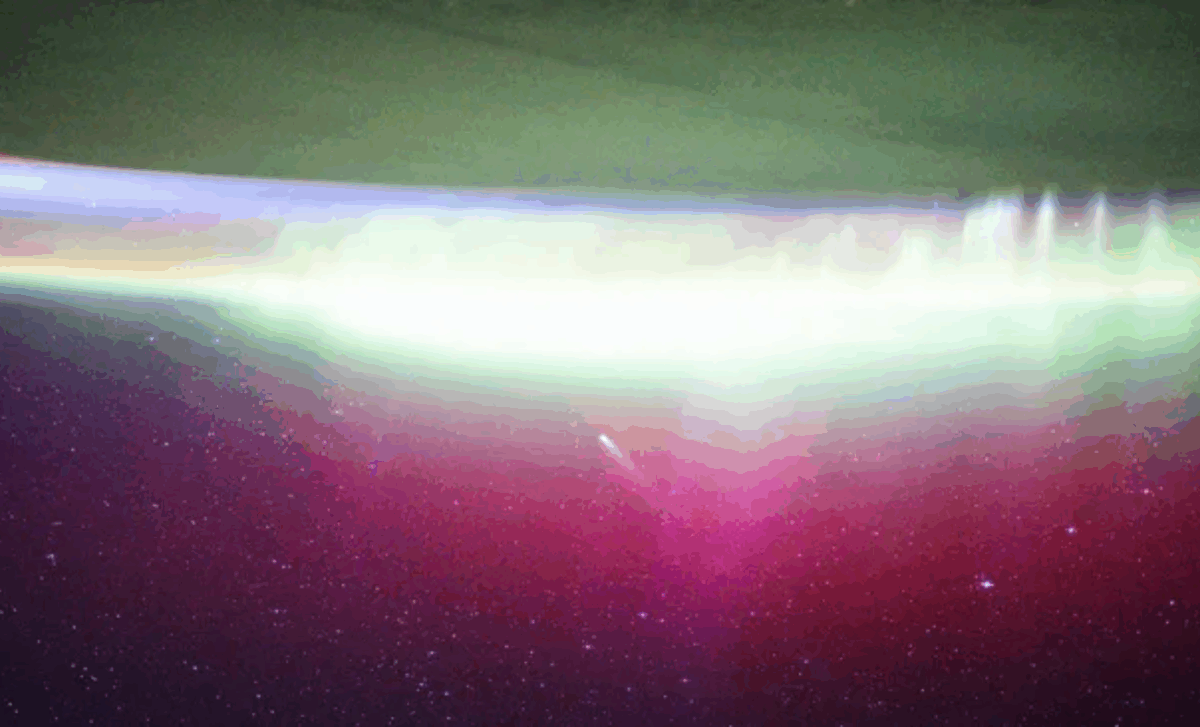
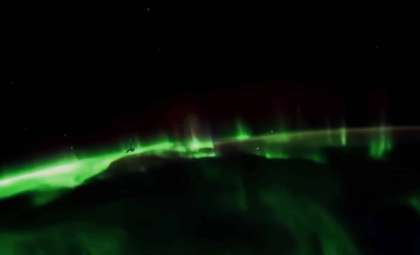
From their vantage point aboard the International Space Station, astronauts recently photographed a remarkable astronomical phenomenon. On November 20, 2025, they captured Comet Lemmon appearing to merge with vibrant auroral lights, creating a spectacular scene visible from Earth's orbit. This rare confluence of solar and cometary events offers a unique glimpse into the dynamic interactions taking place just above our planet.
A Celestial Encounter: Comet Lemmon Meets Earth’s Auroras
On November 20, 2025, astronauts aboard the ISS observed an extraordinary display as Comet Lemmon, also known as C/2012 F6, seemed to blend with the shimmering auroras in Earth’s upper atmosphere. Originating from the distant Oort Cloud, this comet’s passage left a glowing trail of dust and gases that enriched the night's spectacle.
NASA’s latest observations highlight the extensive influence solar phenomena can have on nearby celestial objects. Solar-driven auroras, which typically illuminate polar skies, extended further, creating a dramatic backdrop for Comet Lemmon’s journey. Though the crew had to seek shelter during intense solar storms to avoid radiation risks, they nonetheless secured this rare and breathtaking photograph. Such a close encounter between a comet and auroras, seen from low Earth orbit, is an uncommon cosmic event illustrating the interconnected forces shaping our universe.

Harnessing the Power of Solar Flares
Solar eruptions are crucial drivers of the auroral displays, with recent NASA data revealing how intense these bursts were in 2025. This year marked the Sun’s most powerful outbursts, igniting auroras visible as far south as Mexico and drastically expanding their usual range. These captivating northern and southern lights result from charged solar particles colliding with Earth's magnetic field.
The heightened solar activity produced vibrant geomagnetic storms that transformed night skies into vivid light shows, visible over larger swaths of the planet than is typical. Auroras stem from the interaction between solar wind and Earth's magnetosphere, reflecting the Sun’s ongoing cycles and their influence on the solar system. NASA emphasizes that monitoring these phenomena is vital for astronaut safety aboard the ISS, where protective measures are necessary during peak solar events. Yet, this stunning image celebrates the natural beauty born from these cosmic forces aligning.
Comet Lemmon’s Journey from the Outer Solar System
The story of Comet Lemmon is one of an ancient traveler from the far reaches of our solar system. Discovered in 2012 through the Mount Lemmon Survey in Arizona, this long-period comet belongs to a unique population originating in the Oort Cloud—a distant shell of icy bodies beyond Neptune.
Tracing a 1,350-year orbit, Comet Lemmon gradually approaches the Sun, heating up and releasing gas and dust that form its vivid glowing tail. Observations like the one from the ISS offer scientists invaluable insights into cometary behavior and their interaction with solar radiation. The luminous tail visible in the captured photograph beautifully illustrates the comet's dynamic nature during its journey.
This exceptional alignment, showcasing Comet Lemmon alongside vibrant auroras, underscores the universe's ability to surprise and captivate. Such rare celestial pairings provide unforgettable moments for astronomers, space explorers, and skywatchers worldwide.
- Categories:
- News







0 comments
Sign in to Comment