
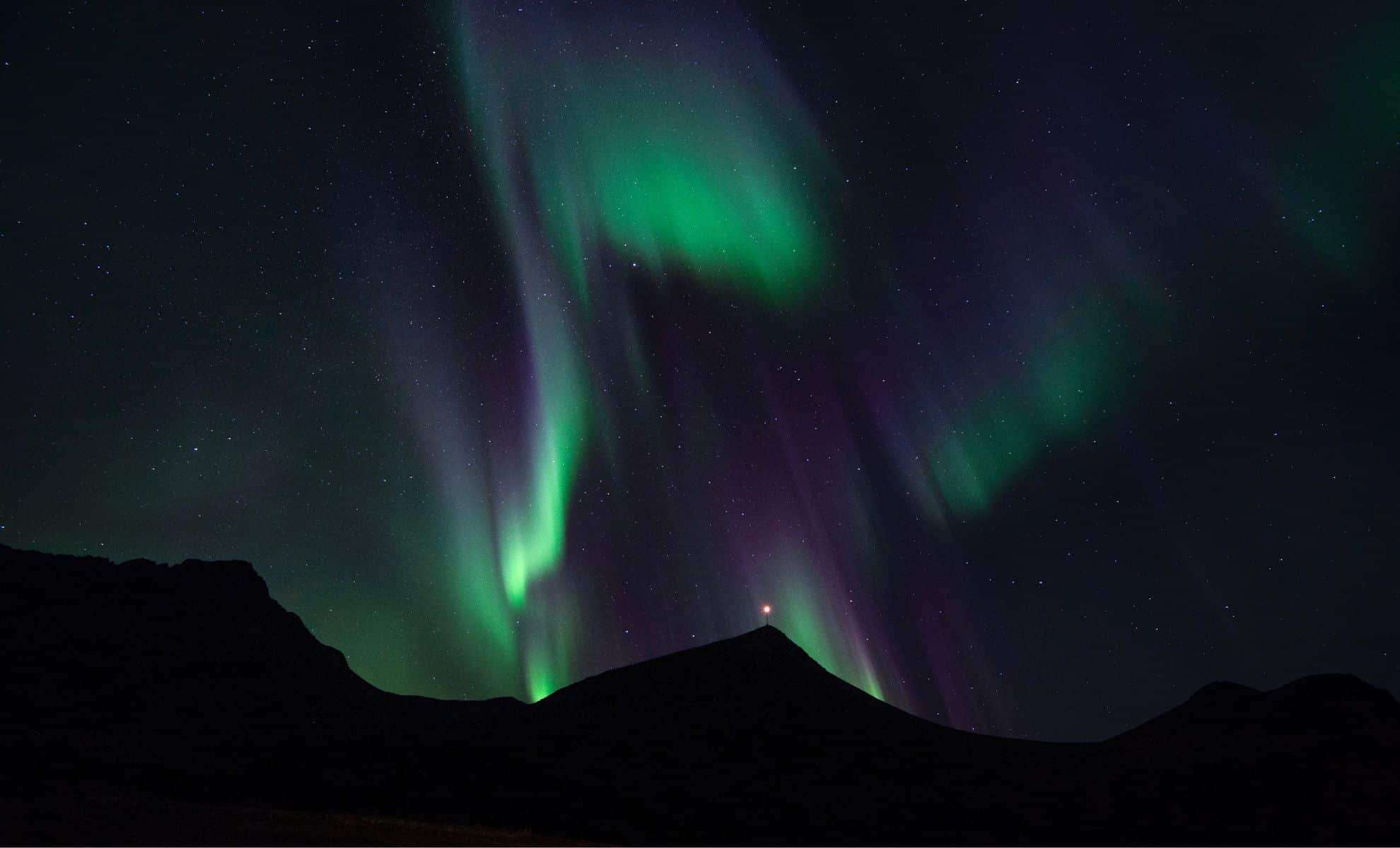
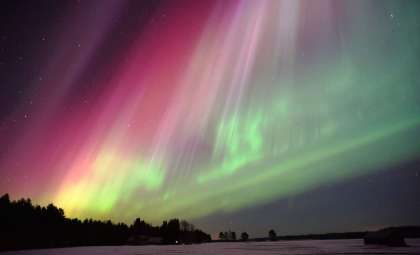
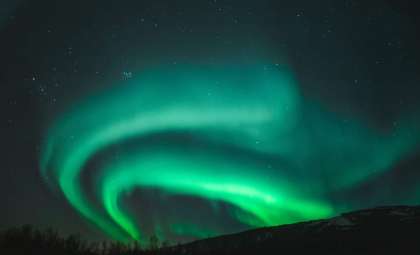
On the evening of September 12, 2024, a powerful solar storm is forecasted to light up the skies with auroras across northern parts of North America, offering a rare opportunity for people in northern U.S. states and Canada to admire the Northern Lights. This intensified geomagnetic disturbance could push the lights farther south than usual.
Understanding Auroras and the Impact of Solar Eruptions
Auroras form when solar-charged particles stream into Earth's magnetosphere following energetic bursts called coronal mass ejections (CMEs). These ejections propel plasma into space, where interaction with our planet’s magnetic field draws particles toward the poles. Upon entering the ionosphere, these particles excite atmospheric gases like oxygen and nitrogen, creating the glowing waves of light known as auroras.
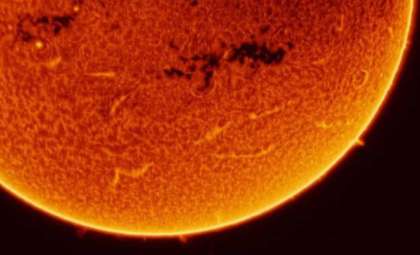
Such geomagnetic storms are linked to the sun’s 11-year solar cycle, highlighted by increased sunspot activity and more frequent flares near the solar maximum. Projected between 2024 and 2026, this peak is causing more intense auroral occurrences. The NOAA reports a G3 storm level for tonight, signaling strong geomagnetic activity capable of extending auroral displays well beyond their usual range.

NOAA’s Erica Grow Cei explains, “All the stars have to align” for optimal viewing, but this heightened activity means even areas farther south than typical aurora zones might witness this captivating spectacle.

Regions Likely to Experience Auroral Displays
Though auroras usually remain near polar latitudes, this powerful solar storm could stretch their visibility deeper into the continental United States. Prime viewing locations include Alaska, Washington, Montana, North Dakota, and Minnesota. Additionally, spots in Wisconsin, Michigan, New York, and Illinois might catch faint glimpses if skies are clear. In northern zones such as Canada and Alaska, the light show will be particularly vivid.
To maximize your chances of seeing the Northern Lights, it’s essential to avoid artificial light by seeking out dark rural areas. Clear skies and higher elevations such as hills or mountain summits can also enhance visibility. Even locations farther south have, in past intense storms, observed faint glows, so giving it a try is worthwhile even outside usual aurora zones.
The severity of this event is measured via the Kp index, which gauges geomagnetic disturbances on a scale of 0 to 9. Tonight’s predicted value of 7 suggests the auroras will be bright and extend beyond their normal latitude boundaries, propelled by strong magnetic field fluctuations.
Tips for Viewing and Photographing the Northern Lights
Chasing the Northern Lights requires patience and optimal conditions. Clear weather is crucial—cloud coverage can obstruct the view completely. Checking local forecasts and avoiding light pollution significantly improve the experience. Auroral activity is usually most active between 10 p.m. and 2 a.m., but it can start earlier or linger later depending on solar activity.
Taking photos of the auroras has become easier thanks to improvements in smartphone cameras. Features like night mode allow for long exposures that capture faint colors and patterns invisible to the naked eye. For best results, stabilize your device with a tripod or steady surface and use a slow shutter speed to bring out intricate details.
While auroras often start as subtle faint glows, tonight’s G3 storm could deliver more intense and widespread lighting, especially in northern latitudes. Having a camera ready and positioning yourself in a dark, open area will increase your odds of capturing this spectacular natural event.
Looking Ahead at Solar Cycle 25’s Aurora Activity
Tonight’s aurora fits within the larger framework of Solar Cycle 25, which began in December 2019. These roughly 11-year cycles feature variations in solar flare and CME frequency that drive geomagnetic storms. NASA anticipates the current cycle’s peak between late 2024 and 2026, bringing more frequent and powerful auroras across the next couple of years.
In August 2024, sunspot numbers hit their highest point since 2003, signaling the ramp-up toward solar maximum. As activity intensifies, viewers may regularly witness the Northern Lights in places where they seldom appear.
For now, tonight presents a prime occasion to step outside and observe a timeless celestial display enhanced by our sun’s dynamic cycle, with even more dazzling shows expected as Solar Cycle 25 progresses.
- Categories:
- News







0 comments
Sign in to Comment