
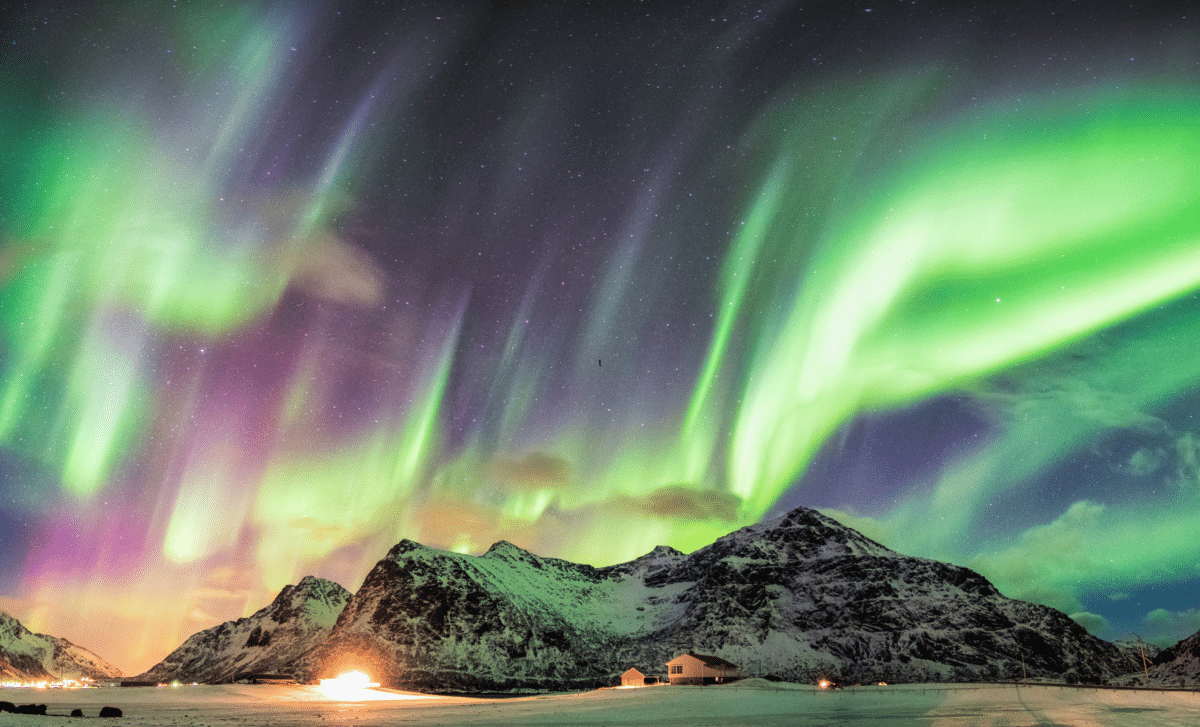
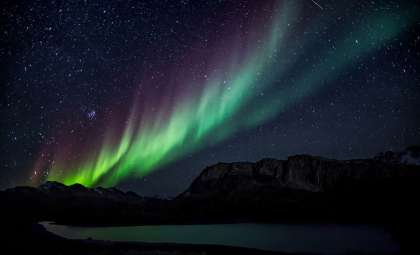
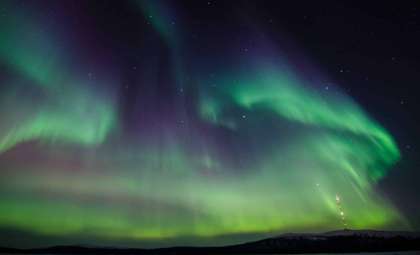
An extraordinary celestial event is set for December 9, 2025, when a significant geomagnetic storm is predicted to illuminate the skies, extending the northern lights far into the northern regions of the United States. The National Oceanic and Atmospheric Administration (NOAA) reports that a powerful coronal mass ejection (CME) from the Sun will arrive by midday, triggering this spectacular aurora. Usually seen only at high latitudes, this display promises a unique opportunity for observers in 15 states to witness the colorful auroral lights.
Solar Storm Effects: Broader Aurora Visibility and Technological Influences
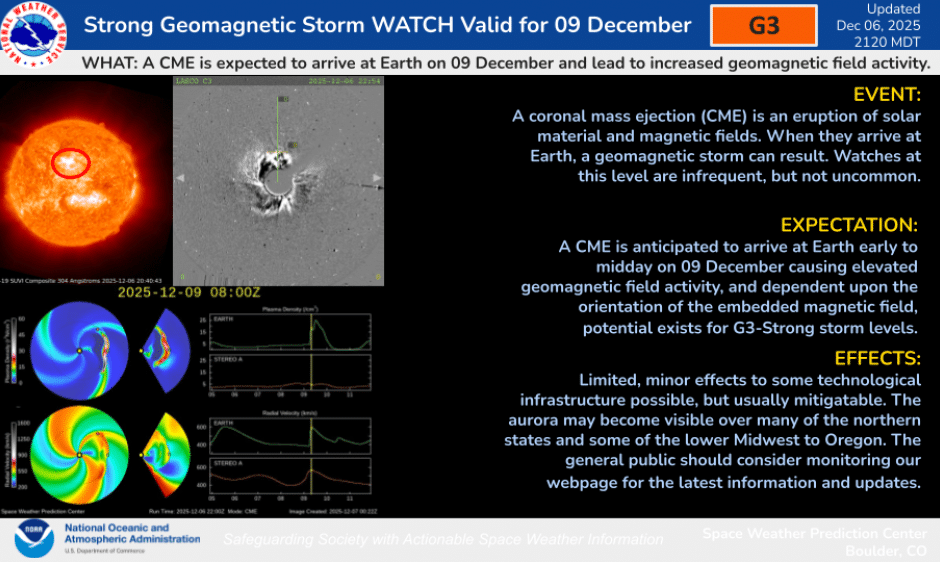
With the incoming CME, NOAA predicts a Kp index of 5 on a scale of 0 to 9. This indicates geomagnetic activity strong enough to push the northern lights beyond their normal range near the magnetic north pole. Consequently, residents across the northern United States may catch a glimpse of the aurora beginning Tuesday night. Although such geomagnetic storms are not uncommon, this event offers an exciting chance for many to view this breathtaking phenomenon.
Coronal mass ejections typically interact with Earth's magnetosphere to create visible light displays near polar regions. However, when intense enough, these storms drive the aurora further south, making it visible in areas not usually known for such sightings. NOAA has issued a geomagnetic storm watch, warning of potential brief interruptions in satellite communications and power grids.

Understanding Coronal Mass Ejections
Coronal mass ejections are immense eruptions of solar plasma and magnetic fields from the Sun’s corona, releasing enormous energy into space. These events are difficult to predict but have significant effects over vast distances. When a CME collides with Earth's magnetic field, it generates geomagnetic storms that can produce dazzling auroras or disrupt technological systems.
The CME expected to strike Earth on December 9, 2025, left the Sun on December 6 and is anticipated to cause a G3-level geomagnetic storm, likely resulting in an especially vivid auroral display visible across much of the northern United States, even in locations that rarely see this spectacle.
Geomagnetic Storms: Impacts on Technology and the Atmosphere
While the aurora offers a stunning visual experience, geomagnetic storms can also affect modern technology. Storms of this magnitude may cause temporary disturbances to satellites, GPS systems, and electrical grids. Nonetheless, NOAA’s current assessments suggest any disruptions will be minimal and manageable, as the storm does not reach the threshold for severe damage.
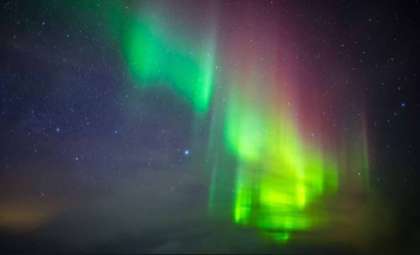
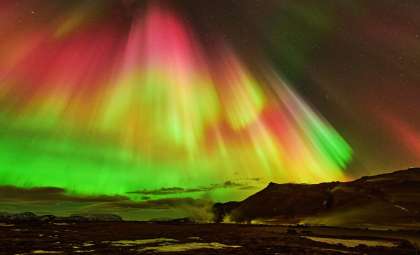
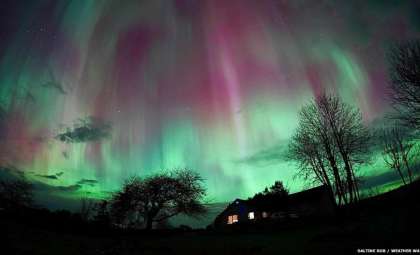
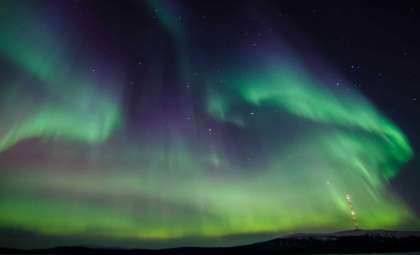
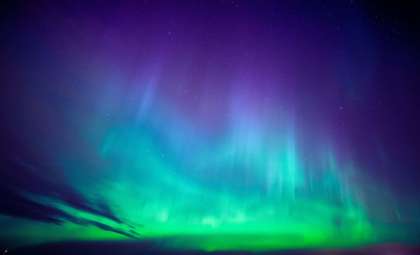
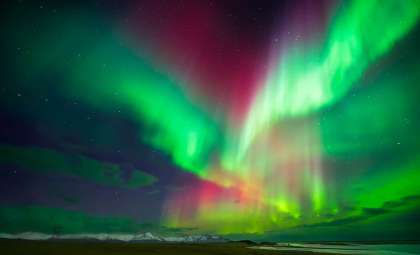
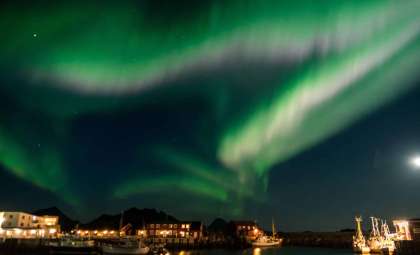
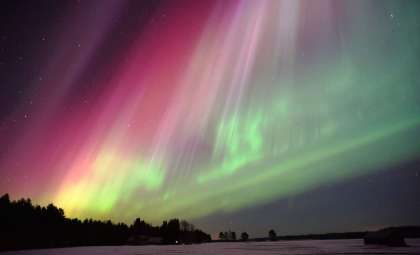
These storms also provide an opportunity to study interactions within Earth’s atmosphere. The charged solar particles interact with atmospheric gases, producing the shimmering green, red, and purple lights of the aurora. Researchers continue to examine these phenomena to better understand the dynamic relationship between solar activity and our planet’s magnetosphere.
Optimal Viewing Times and Locations for the Northern Lights
On the night of December 9, 2025, skywatchers in the northern U.S. should look for the aurora if conditions are clear. States such as Minnesota, Wisconsin, Michigan, and parts of New York and North Dakota are expected to offer prime viewing opportunities. The best window to see the lights will be between 9 p.m. and midnight local time.
Visibility depends on factors like geomagnetic storm strength, weather, and light pollution. A strong event like this, with a Kp index of 5, might allow the aurora to be seen even as far south as New York, Illinois, and Oregon—regions where this natural phenomenon rarely appears.
- Categories:
- News

0 comments
Sign in to Comment