
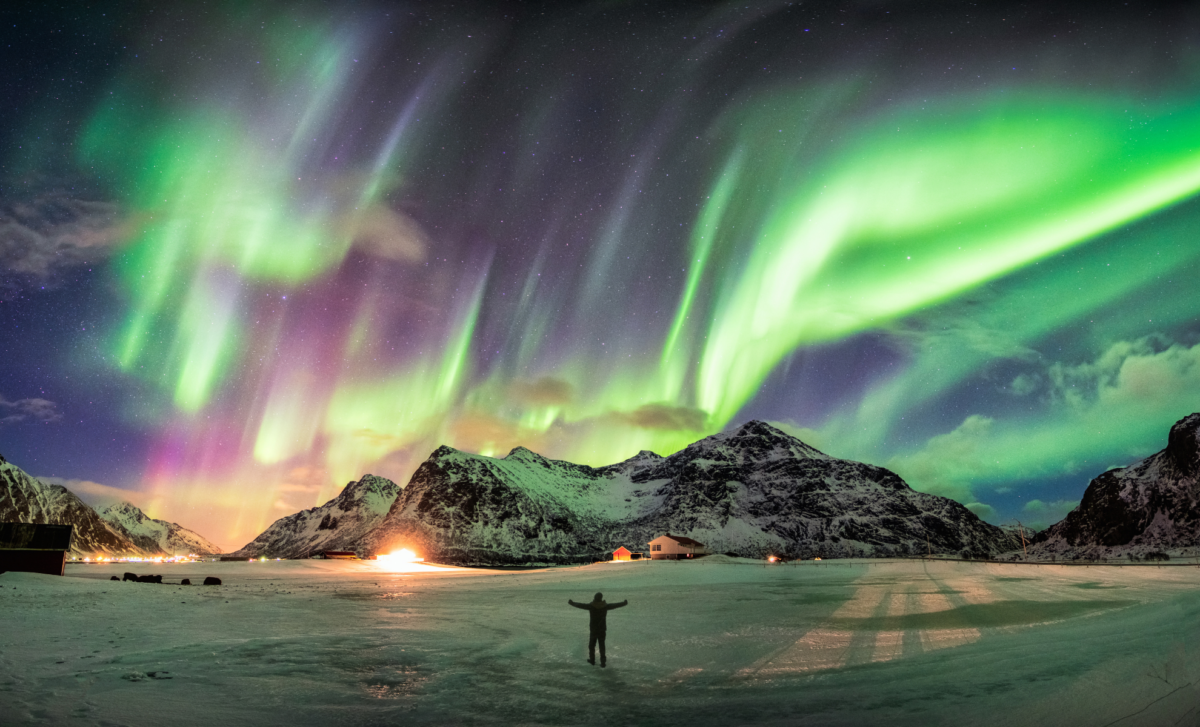
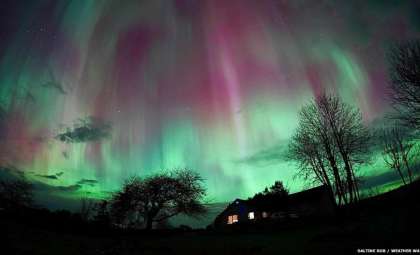
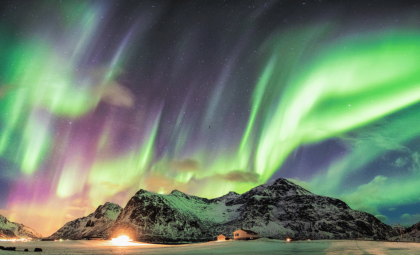
An intense geomagnetic disturbance is anticipated to brighten the night skies in parts of the United States this New Year’s Eve, as heightened solar emissions increase the likelihood of witnessing the spectacular aurora borealis further south than usual. Forecasts from the NOAA Space Weather Prediction Center indicate that up to sixteen states could experience this rare celestial display, coinciding with New Year's celebrations. This prediction follows intense activity from a major sunspot, sending charged solar particles toward Earth and setting the scene for an incredible natural light show.
Regions with the Best Aurora Viewing Chances
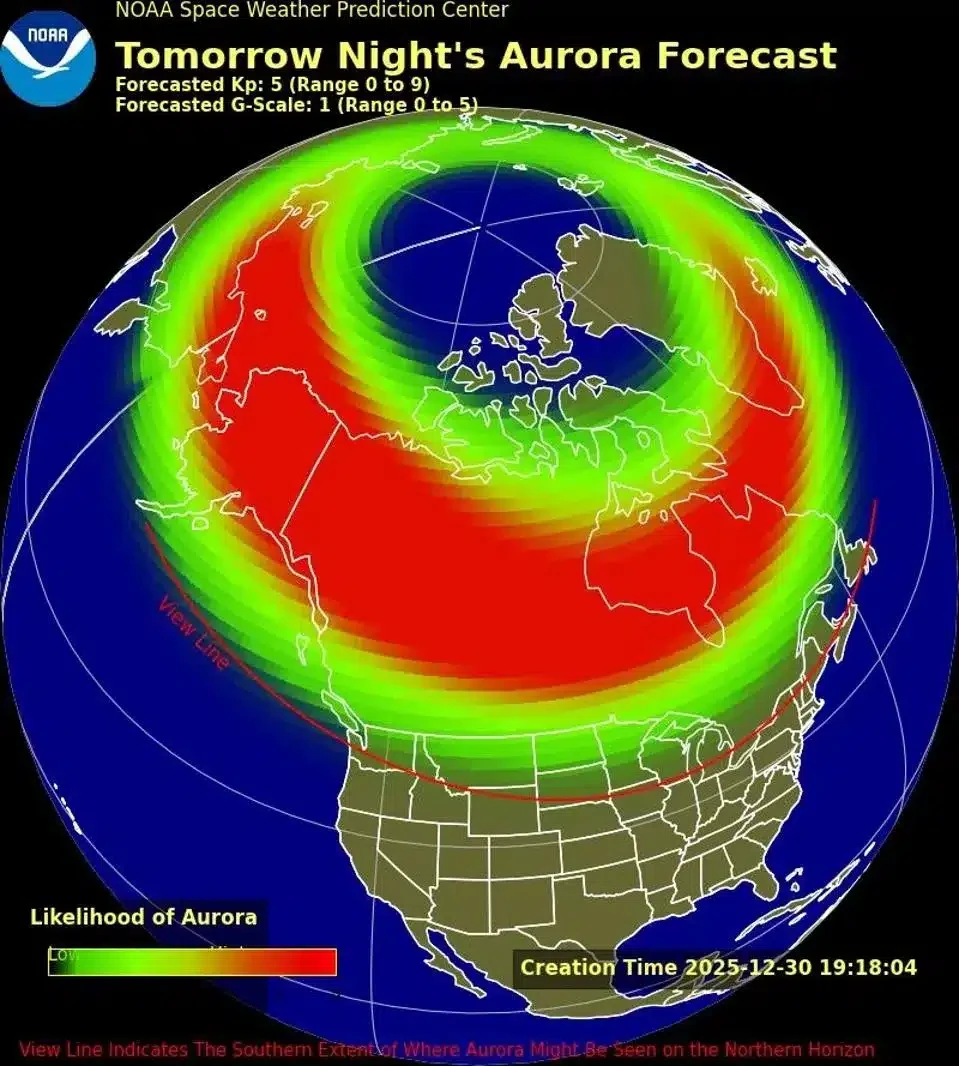
The U.S. states predicted to have the highest aurora visibility include Montana, North Dakota, South Dakota, Minnesota, Wisconsin, Michigan, Idaho, Maine, Washington, and Oregon. These locations lie near the auroral oval, the circular area surrounding Earth's magnetic poles where aurora activity is most frequently observed.
According to NOAA, the best viewing opportunities will occur from the evening of December 31 through the early hours of January 1. Visibility will depend greatly on local weather and light pollution levels. Observers situated further south may also catch a glimpse if the geomagnetic storm strengthens beyond current projections. The peak viewing window is expected between 10 p.m. and 2 a.m. local time, when geomagnetic activity reaches its maximum intensity.

Understanding the Solar Forces Behind This Aurora Event
The elevated chance of aurora sightings is linked to a recent coronal mass ejection (CME) unleashed by the sun on December 28, originating from the active sunspot AR3514. This solar region has generated several M-class and X-class solar flares, releasing high-energy particles that travel toward Earth.
NOAA has categorized the expected geomagnetic disturbance as a G2-class storm, sufficient to disrupt Earth's magnetic field and extend the auroral oval farther south. Utilizing the OVATION aurora model, NOAA scientists forecast significant auroral displays across northern states, contingent on interactions between solar wind and Earth's magnetosphere.
The Space Weather Prediction Center at NOAA continues to track the event closely, providing updated real-time maps for enthusiasts. Those eager to see the aurora can consult the Aurora 30-minute Forecast on NOAA’s website for the freshest visibility insights.
Tips for Optimal Northern Lights Viewing
Nailing a view of the aurora requires the right place and timing. Clear, dark, and unobstructed skies far from urban light pollution offer the best conditions. Seeking elevated areas with an open northern horizon improves chances. It’s also wise to check weather reports to avoid cloudy conditions and dress warmly for nighttime temperatures.
Several apps, including Aurora Alerts, My Aurora Forecast, and NOAA’s interactive maps, provide up-to-the-minute geomagnetic activity updates. Photographers aiming to capture the phenomena should use tripods and long exposure settings, though even smartphones can produce decent shots with the right adjustments.
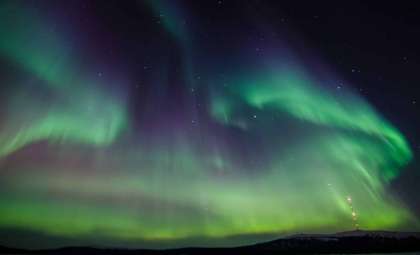
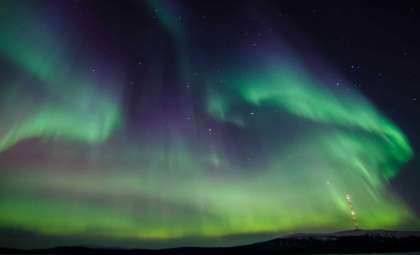
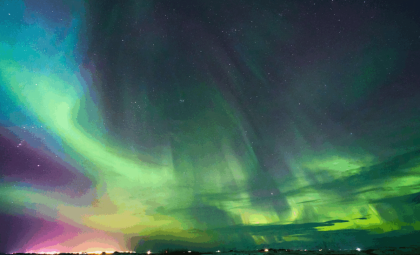
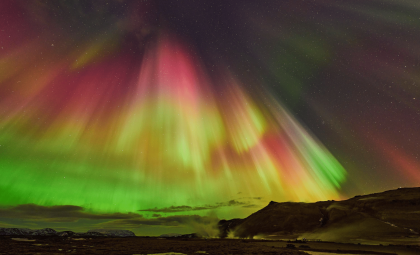
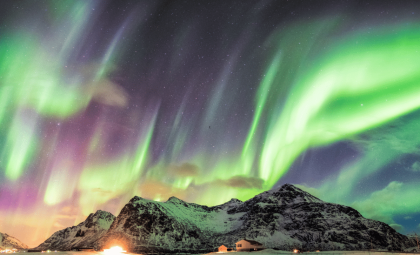
The aurora may begin subtly after dusk, intensifying generally between midnight and 2 a.m. Patience is essential, as displays often develop slowly or manifest in quick flares. On a favorable night, observers might witness vibrant green, purple, or red curtains of light swaying across the northern skies.
- Categories:
- News

0 comments
Sign in to Comment