
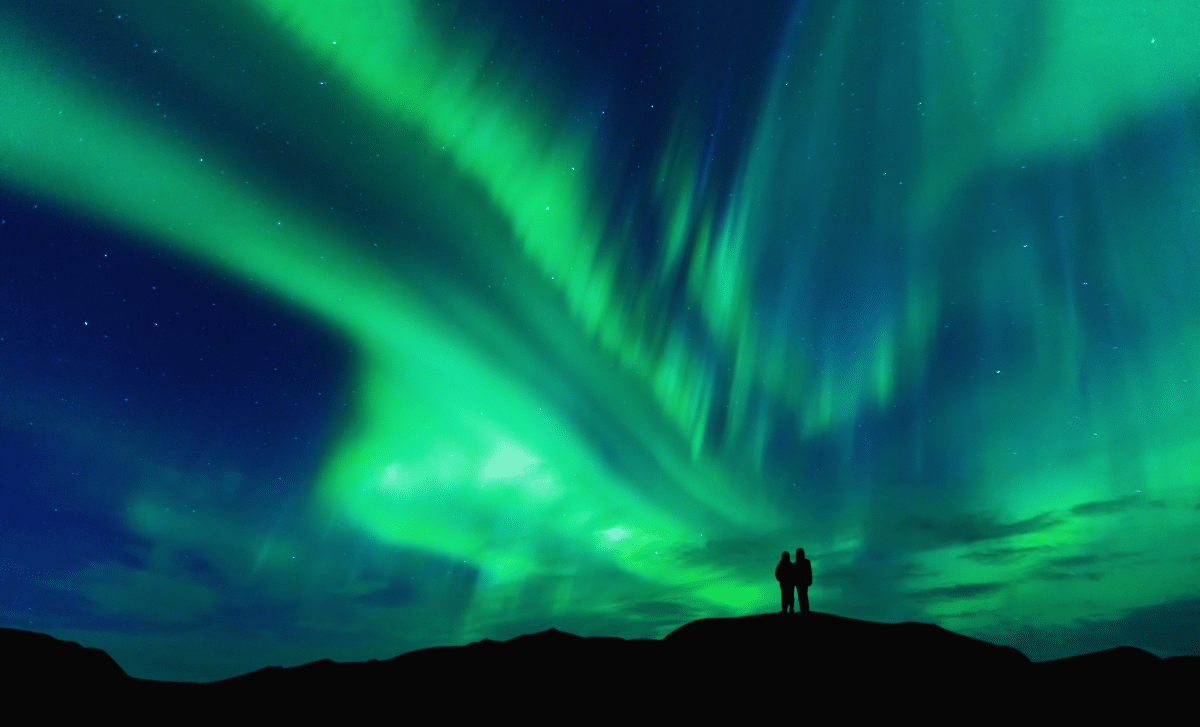
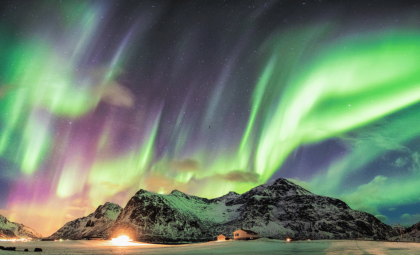
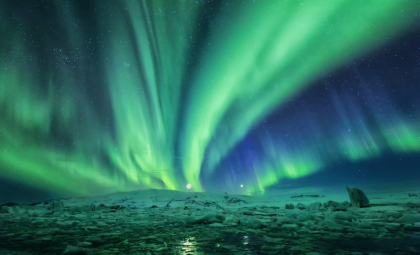
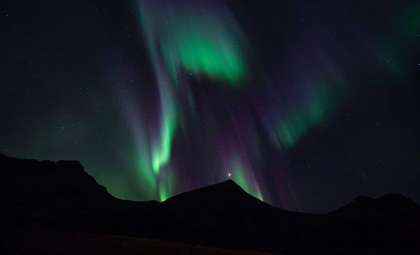
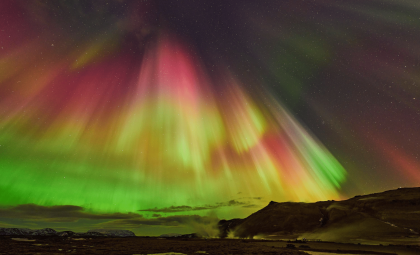
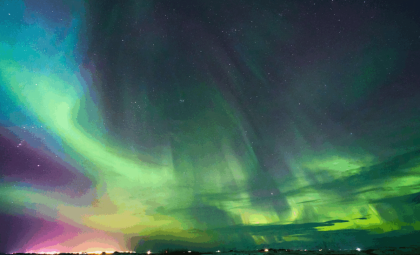
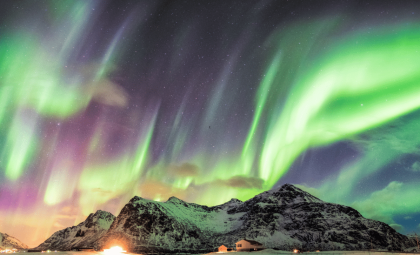
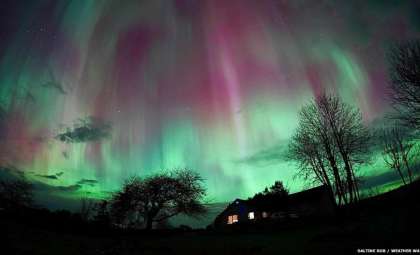
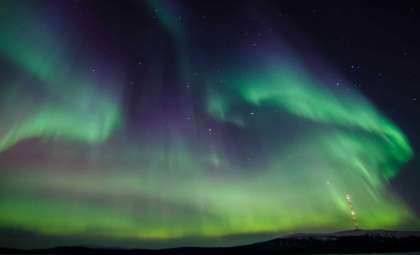
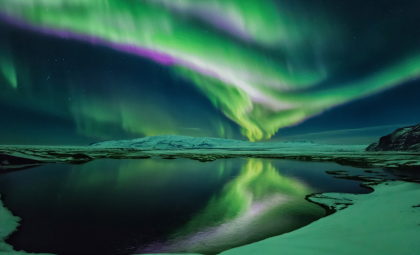
This evening, a captivating display of the northern lights will be observable across 25 states in the U.S., presenting an extraordinary natural event for enthusiasts and casual observers alike. NOAA’s latest forecast predicts that the aurora borealis will stretch from northern territories down into parts of the central U.S., influenced by ongoing solar and geomagnetic activity. Whether you reside in Alaska, Minnesota, or New York, this night offers a prime opportunity to witness this enchanting celestial phenomenon. To maximize your viewing experience, seek out a dark location with clear skies and gaze toward the northern horizon.
Regions Where the Aurora Will Appear
According to NOAA’s aurora forecast, the northern lights are projected to be visible farther south than usual. This means that the aurora borealis could be seen across a broad swath of the U.S., especially in areas adjoining the Canadian border. Additionally, those in darker, less urbanized environments stand a better chance of catching the aurora’s glow despite being further south.
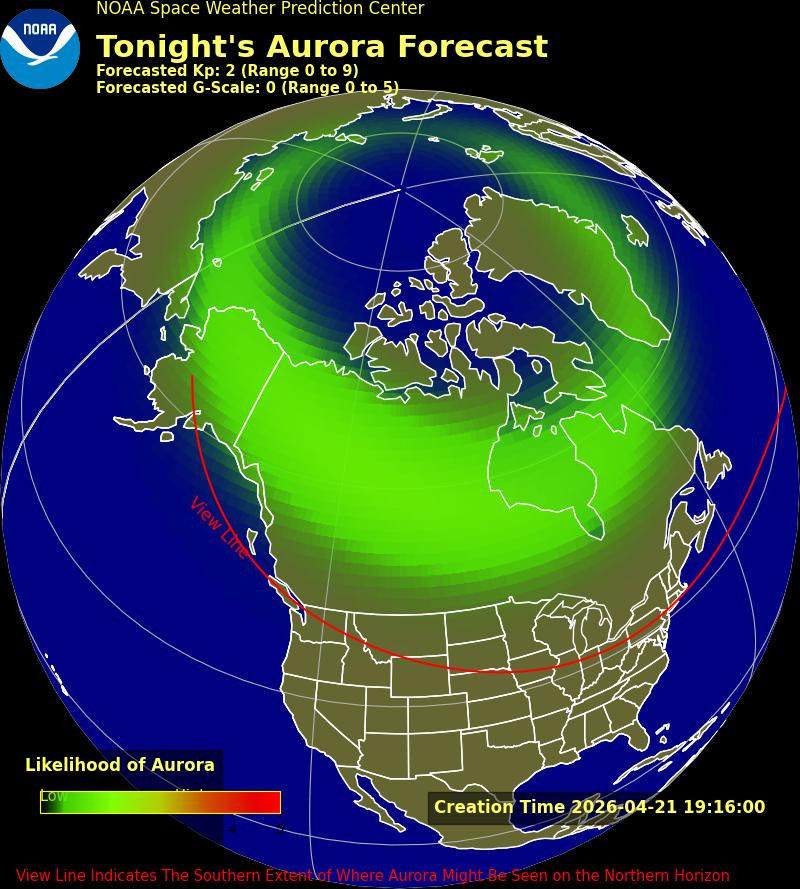
The following is a list of the 25 states where the northern lights might be spotted tonight:

- Alaska
- Connecticut
- Idaho
- Illinois
- Indiana
- Iowa
- Maine
- Massachusetts
- Michigan
- Minnesota
- Montana
- Nebraska
- New Hampshire
- New Jersey
- New York
- North Dakota
- Ohio
- Pennsylvania
- Rhode Island
- South Dakota
- Vermont
- Washington
- Wisconsin
- Wyoming
While all these states may witness the aurora, northern locations boast the clearest and most vibrant views. Urban centers such as Anchorage, Minneapolis, and Buffalo might see more vivid auroral activity, while in southern areas, the lights may appear more subtle. For the clearest sighting, find an open, dark spot with an unobstructed view of the northern sky.
Optimal Viewing Times for the Northern Lights
Timing is key when attempting to observe the aurora borealis. The prime window for catching the lights is after dark, ideally between 10 PM and 2 AM local time. Since the aurora shines most brightly against a pitch-black sky, being away from city lights and other sources of light pollution increases your chances of spotting the spectacle.
Bear in mind that the aurora is a dynamic and sometimes fleeting phenomenon. It may initially appear as a dim glow near the horizon that can intensify into vibrant, shifting bands of color moving across the night sky. If conditions are right, stay alert—the aurora’s brightness and shape can change rapidly.
Tips for Photographing the Aurora Borealis
You don’t need professional skills to capture the northern lights on camera. Many smartphones feature a "Night Mode" or "Pro Mode" that lets you adjust exposure settings for long-exposure pictures. Ensuring your device is steady—preferably with a tripod—will help prevent blurry images.
For those with access to a DSLR or mirrorless camera, using a wide-angle lens and setting a long exposure will enhance your shots. Focus on a distant star or light to achieve sharp images, and experiment with ISO values based on aurora brightness for optimal results.
- Categories:
- News

0 comments
Sign in to Comment