
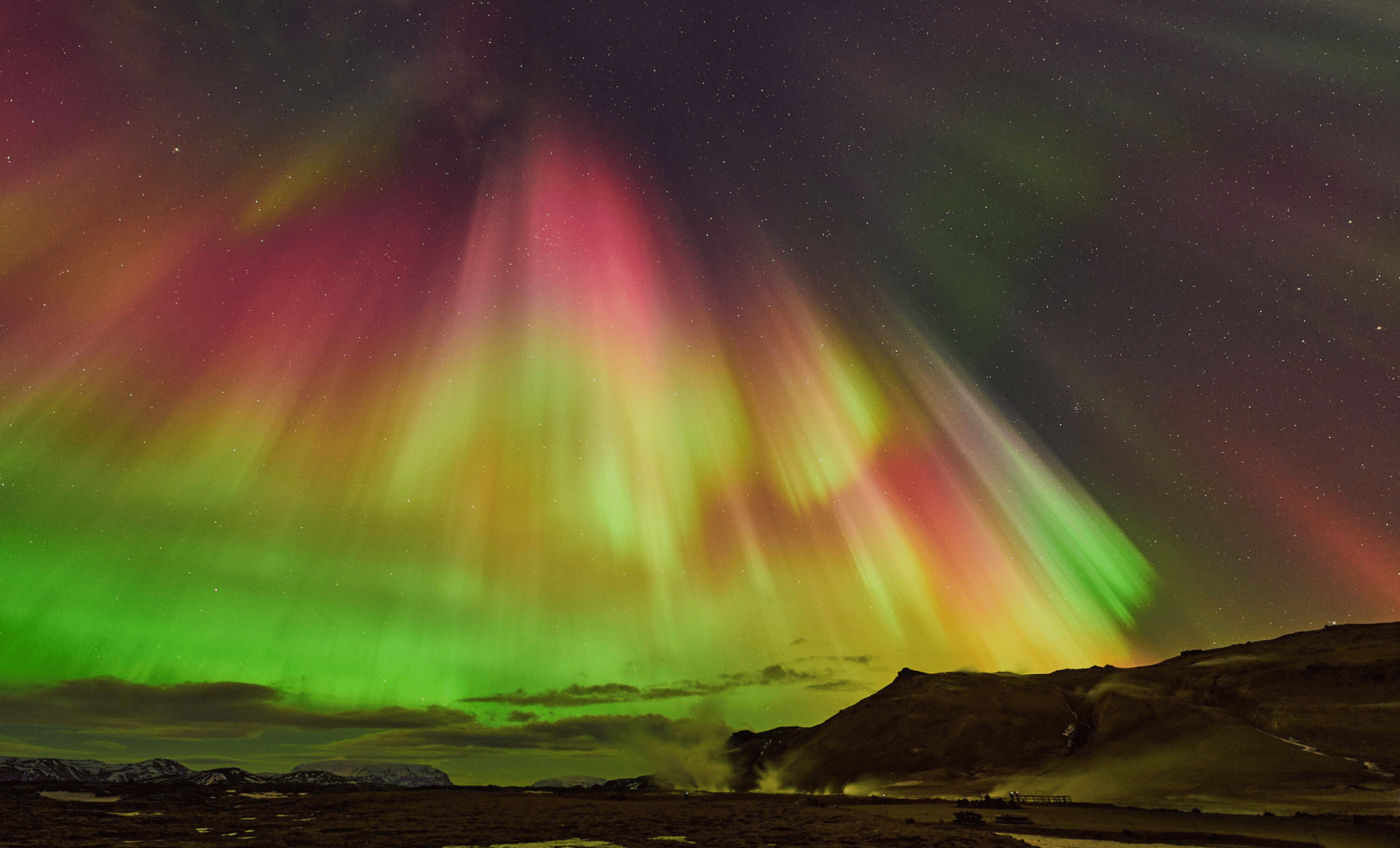
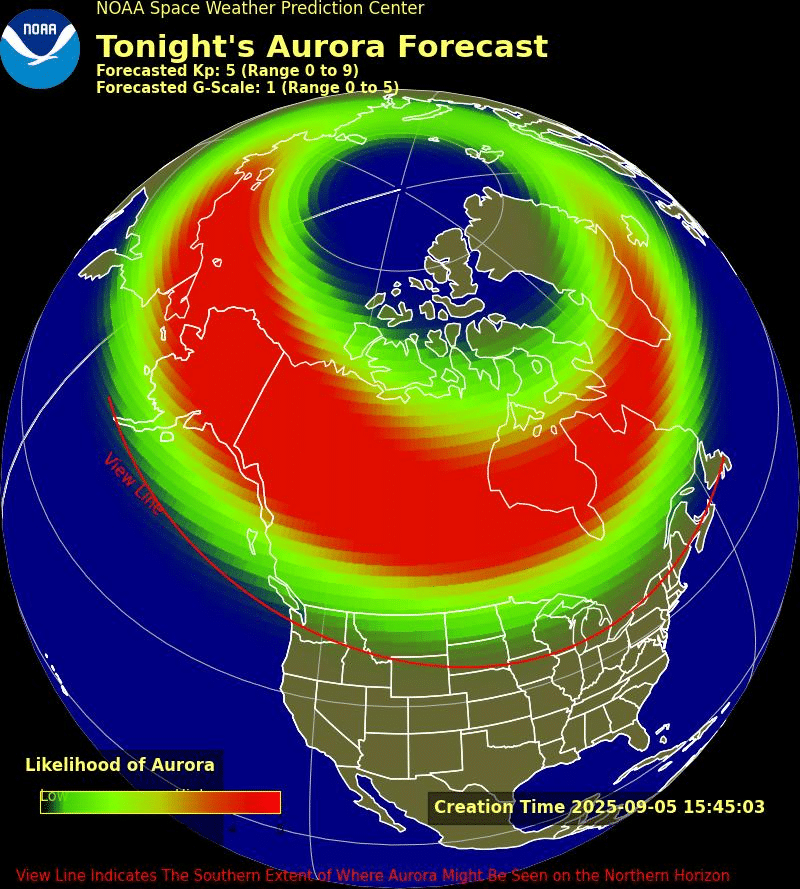
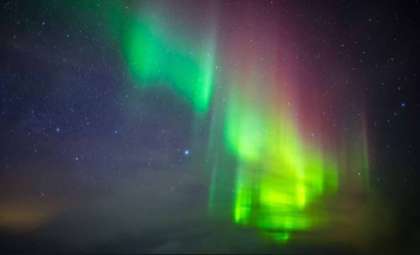
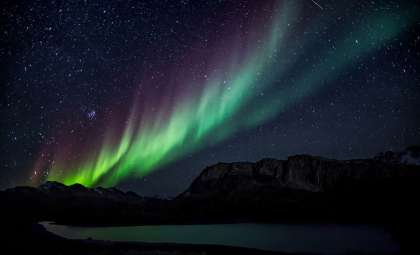
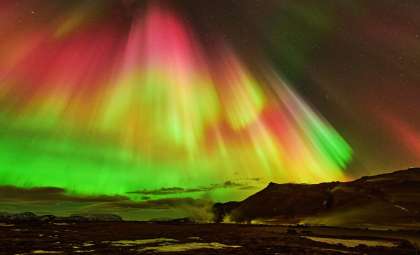
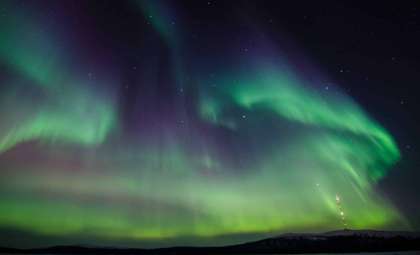
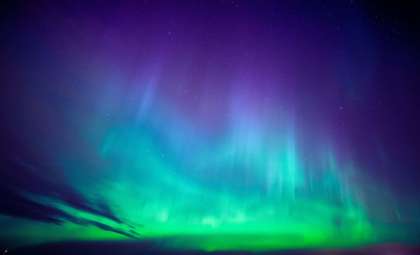
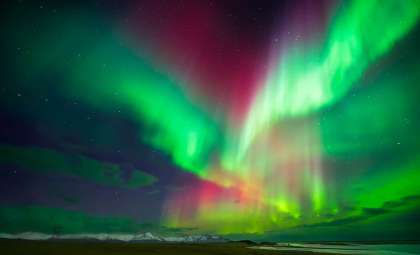
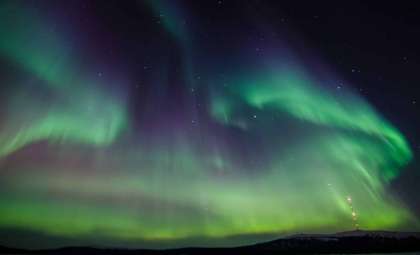
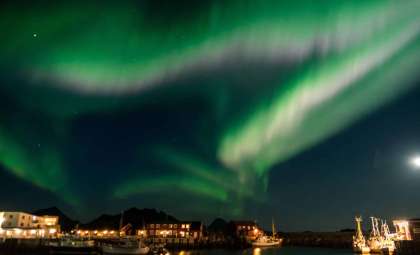
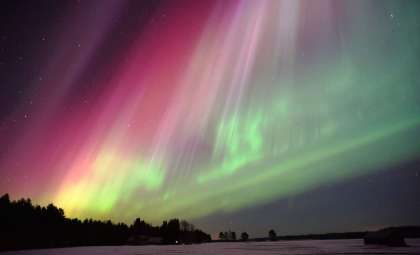
On the evening of Friday, September 6, 2025, a geomagnetic storm could make the northern lights visible across a broad stretch of the northern United States. The National Oceanic and Atmospheric Administration (NOAA) reports that this solar event has the potential to bring the aurora borealis to residents in 11 states. According to NOAA’s official Aurora Dashboard, a G1 (Minor) geomagnetic storm is anticipated to reach Earth late Friday, potentially illuminating the skies in numerous northern regions.
Origin of the Geomagnetic Activity
This phenomenon is triggered by a positive polarity coronal hole high-speed stream, an area on the Sun’s surface that releases a fast solar wind into space. As Earth crosses paths with this stream, it disturbs the planet’s magnetic environment, causing a geomagnetic storm. NOAA classifies this event as a G1 (Minor) storm, predicting the Kp index could peak at 5, which may enable auroras to be observed much further south than usual.
This solar wind is notable because it involves a co-rotating interaction region (CIR) — the interface between slower and faster solar wind streams. CIRs compress magnetic fields and send shock waves toward Earth, boosting auroral displays. These regions are sometimes referred to as "mini-CMEs" (coronal mass ejections) due to their similar capacity to intensify magnetic energy and produce visible auroras at mid-latitudes.

Potential Viewing Locations for the Aurora
Weather permitting, residents in certain northern U.S. states could witness the northern lights Friday night. NOAA models suggest that auroras might appear along the northern horizon in several states, especially in locations distant from urban lighting.
The states where the aurora is most likely to be visible are:
- Alaska
- Northern Washington
- Montana
- Idaho
- Wyoming
- North Dakota
- South Dakota
- Minnesota
- Wisconsin
- Michigan
- Maine
Optimal viewing generally occurs between 10:00 PM and 2:00 AM local time, when geomagnetic activity tends to peak. Observers are encouraged to find dark, open skies far from city glow and to focus on the northern sky. Although auroras may appear close to the horizon, during strong storms they can sometimes be seen overhead in the northernmost areas.
For real-time updates and alerts, NOAA recommends consulting the Aurora Dashboard or using apps such as My Aurora Forecast, Glendale Aurora, and Hello Aurora.
- Categories:
- News

0 comments
Sign in to Comment