
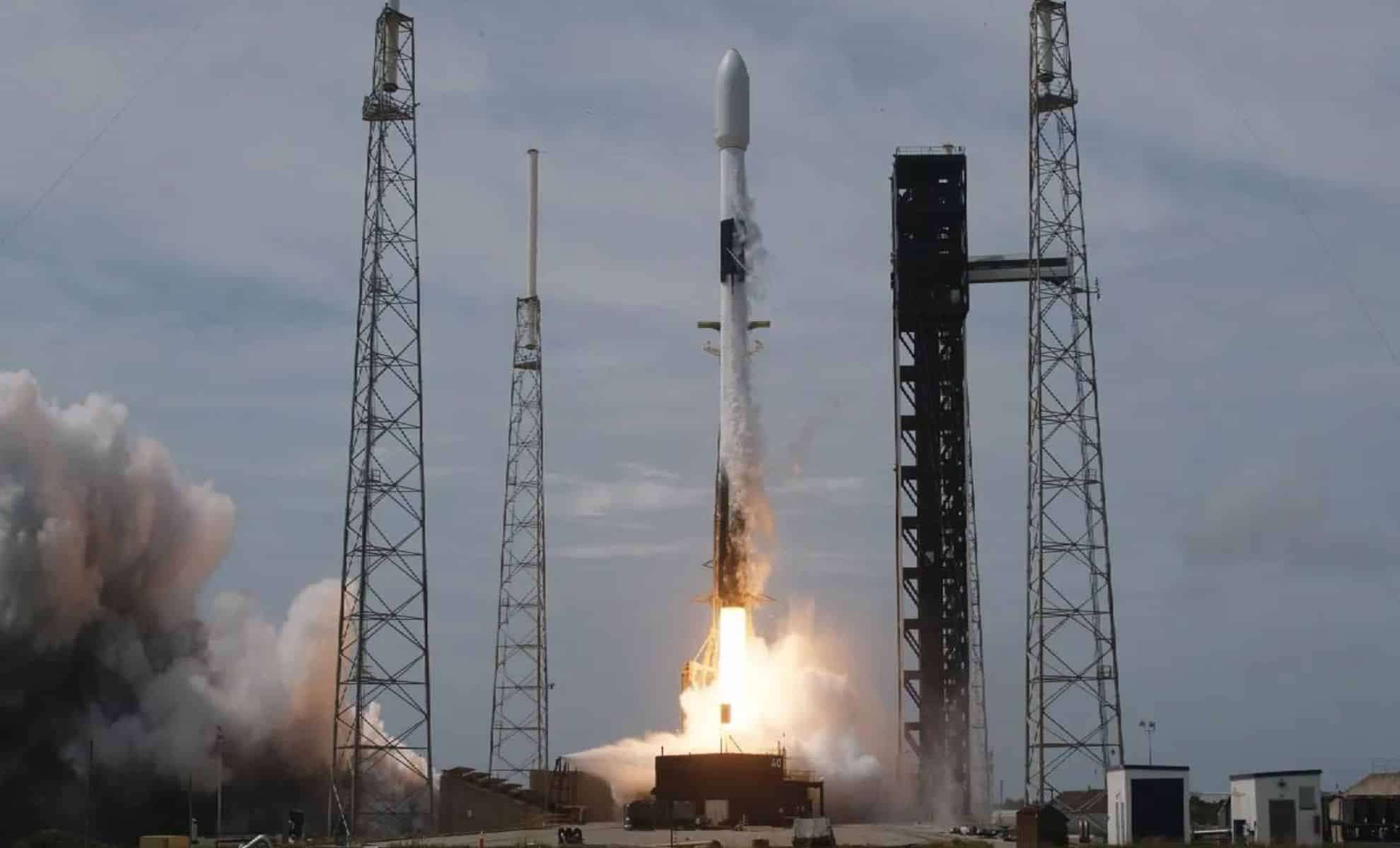
After a flawless launch of NASA’s 21st commercial cargo mission by Northrop Grumman, fresh scientific equipment and supplies are en route to the International Space Station (ISS).
This mission plays a pivotal role in NASA's commitment to sustaining and enhancing the ISS's operational capabilities, facilitating a broad spectrum of scientific studies that serve humanity and aid future space exploration endeavors.
Launch Overview
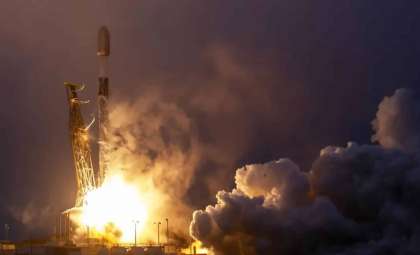
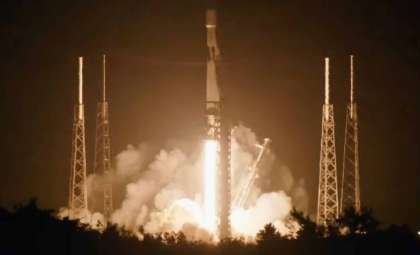
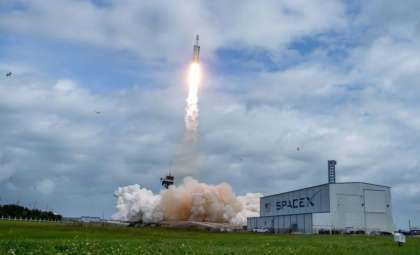
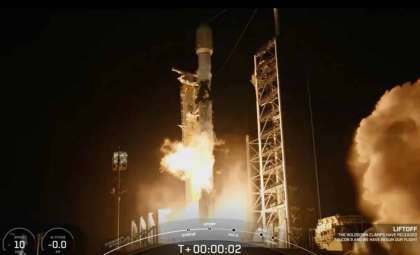
Northrop Grumman’s Cygnus spacecraft, loaded with upwards of 8,200 pounds of provisions for the orbiting lab, blasted off at 11:02 a.m. EDT on Sunday aboard a SpaceX Falcon 9 rocket from Space Launch Complex 40 at Cape Canaveral Space Force Station in Florida. Moments after liftoff, the spacecraft experienced a minor setback by missing its initial orbital burn due to a delayed start in the burn sequence.

This maneuver, known as the targeted altitude burn (TB1), was rescheduled but subsequently terminated shortly after ignition owing to a marginally low initial pressure readout. Nevertheless, no engine malfunctions have been detected, and the Cygnus spacecraft continues to orbit safely, having successfully deployed both of its solar arrays by 2:21 p.m.
Scientific Highlights and Mission Goals
This resupply effort enhances dozens of experiments underway during Expedition 71. Among the research projects are:
- Liquid and Gas Flow Experiments: Test samples aimed at understanding fluid and gas movement through porous structures vital to the space station’s life support systems.
- Centripetal Force STEM Demonstration: Using a balloon, a penny, and a hexnut to illustrate the principles of centripetal force for educational purposes.
- DNA Repair Studies: Investigations on rotifers, microscopic organisms, to observe how spaceflight impacts DNA repair functions.
- Stem Cell Production Bioreactor: A bioreactor designed to validate methods for producing high-quality blood and immune stem cells.
These selected studies represent just part of the extensive biological, physical, and Earth and space science research conducted onboard the ISS. Such efforts advance human knowledge and support NASA’s Artemis program, which targets lunar missions that lay the groundwork for eventual Mars exploration.
Docking and Integration Timeline
Provided all goes as planned, real-time broadcasting of the spacecraft’s docking will commence at 1:30 a.m. EDT on Tuesday, August 6, via NASA+, NASA TV, the NASA app, and the agency’s official website. NASA astronaut Matthew Dominick will operate the space station’s robotic arm to capture Cygnus around 3:10 a.m., with NASA astronaut Jeanette Epps serving as the backup operator. The installation process of Cygnus onto the ISS is anticipated to start at 4:30 a.m. EDT.
This mission marks Northrop Grumman’s 21st journey to the ISS on behalf of NASA, and the tenth mission under their Commercial Resupply Services 2 contract. Cygnus is planned to stay docked until January 2025 before undocking and safely burning up upon re-entry, disposing of thousands of pounds of waste. The spacecraft is named S.S. Francis R. “Dick” Scobee to honor the late NASA astronaut.
Scientific Impact and Long-Term Benefits
The delivery of innovative experiments and vital supplies by Cygnus is instrumental in progressing scientific discovery and technological innovations onboard the ISS. Ongoing research aboard the station addresses key questions related to human health, materials science, and cosmic phenomena. Insights from these studies translate into meaningful real-world applications, spanning healthcare improvements to novel materials and technologies.
Additionally, the continued success of commercial resupply missions is essential for sustaining the ISS and enabling upcoming space exploration ventures. These operations guarantee astronauts receive the resources needed to conduct experiments and upkeep the station, fostering a constant human presence in low Earth orbit.
Northrop Grumman’s 21st mission highlights the crucial role commercial collaborations play in advancing space exploration. With new science experiments and indispensable supplies heading to the ISS, researchers and engineers steadily push the limits of exploration, setting the stage for future expeditions to the Moon, Mars, and beyond.





0 comments
Sign in to Comment