
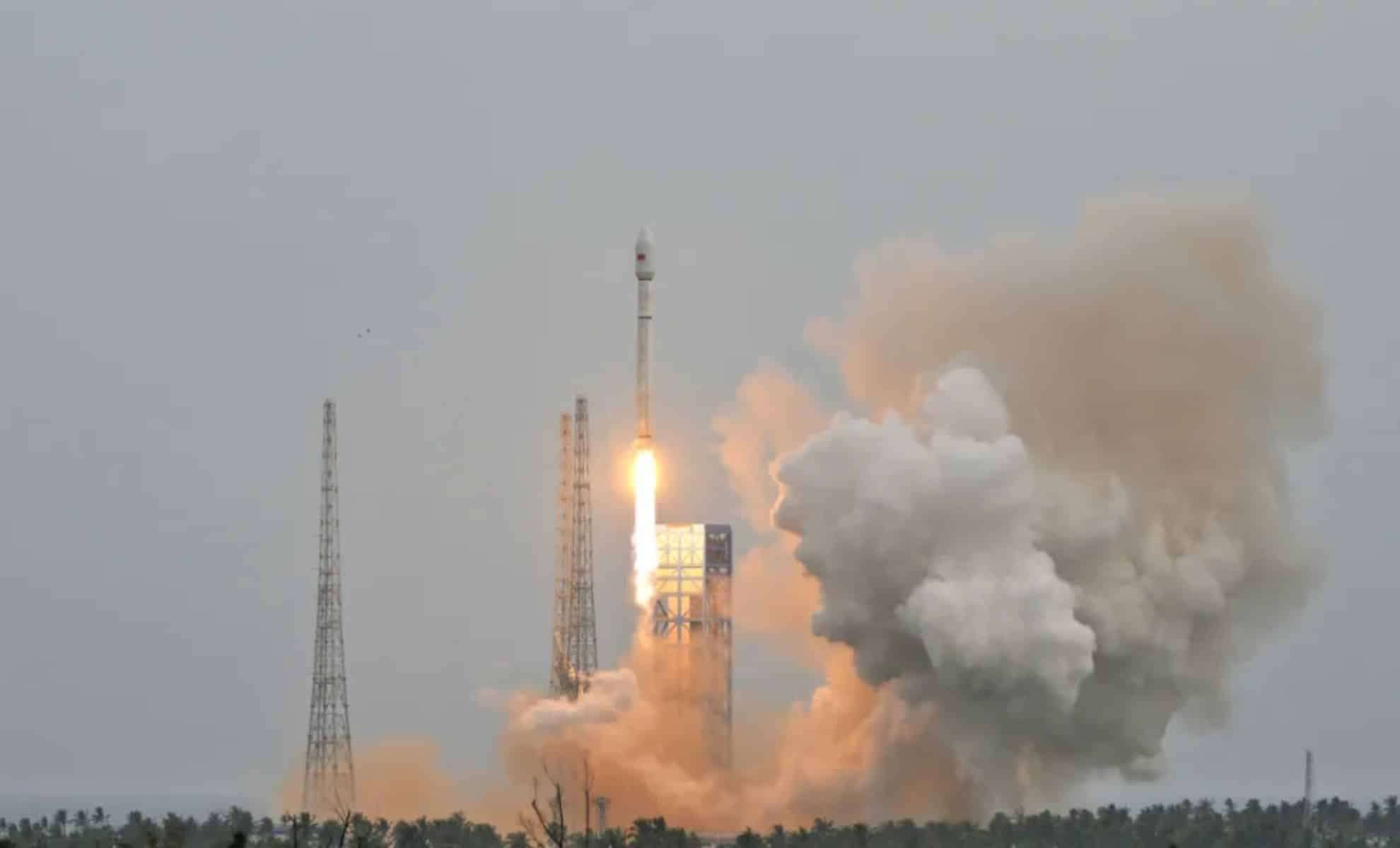
On August 4, 2025, China achieved another milestone when its Long March 12 rocket successfully deployed the latest batch of Guowang megaconstellation satellites. The China Aerospace Science and Technology Corporation (CASC) officially announced the mission’s success shortly after the launch. This event marked the third launch within a span of eight days and was notable for involving a commercial satellite manufacturer for the first time, signaling significant progress in China's plan to grow its satellite communications infrastructure globally.
China’s Strategic Expansion into Satellite Megaconstellations
The deployment of the Guowang satellites signals a major step forward in China’s ambition to establish a comprehensive megaconstellation that improves connectivity, particularly in isolated and underserved areas. Similar to SpaceX’s Starlink network, these satellites aim to deliver high-speed internet access on a worldwide scale. This push not only enhances China’s technological independence but also strengthens its foothold in the global space arena.
Set to be among the largest satellite networks worldwide, the Guowang constellation will offer extensive coverage and robust bandwidth, supporting communications alongside applications such as environmental monitoring and earth observation. The swift pace of satellite launches highlights the China National Space Administration’s (CNSA) determination to lead in the evolving space sector.

Private Companies Driving Innovation in China’s Space Ventures
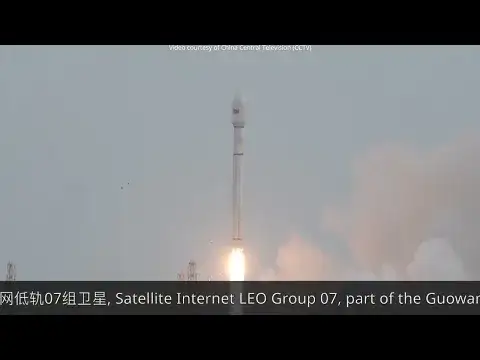
A notable shift in China’s aerospace industry is the increasing engagement of private enterprises in manufacturing and launching satellites. The August 4 mission was groundbreaking as the first Guowang satellite launch involving a commercial producer, highlighting a new collaborative model within China’s space ambitions. This partnership fosters innovation and operational efficiency, while the government embraces market dynamics in space development.
Private sector contributions inject fresh technology and ideas, enhancing the satellite constellation’s overall capabilities. Collaborations between state agencies and private firms not only reduce expenses but also bolster China’s drive for technological sovereignty in space exploration. As China advances its space program, private companies are emerging as vital contributors.
Technological Highlights of the Long March 12 Rocket
Developed by the China Academy of Launch Vehicle Technology, the Long March 12 rocket represents a state-of-the-art launch vehicle engineered to fulfill a wide variety of missions. This two-stage rocket, which logged its second successful launch on August 4 since its November 2024 debut, supports China’s ambitions to improve orbital deployment capabilities for an array of space missions.
With its environmentally conscious, low-temperature liquid propulsion system, the Long March 12 can deliver payloads up to 12 tons to low Earth orbit (LEO) and deploy satellites into sun-synchronous orbits (SSO). This adaptability makes it ideal for launching the latest generation of Guowang internet satellites and other advanced payloads.
China’s Global Satellite Connectivity Vision
China’s expansive satellite project reflects its aspirations for worldwide digital reach. The Guowang constellation is engineered to provide nearly seamless internet coverage not only domestically but also to users around the globe. Employing low Earth orbit (LEO) satellites ensures high-speed, low-latency connections suitable for telecommunications, disaster response, remote learning, and more, particularly in hard-to-reach locations.
This global initiative positions China as a formidable competitor in the international satellite communications industry. As nations expand their own satellite systems, China’s Guowang network emerges as a strong rival to SpaceX’s Starlink, accelerated by rapid deployment and increased private sector involvement in its satellite technology.
- Categories:
- News











0 comments
Sign in to Comment