
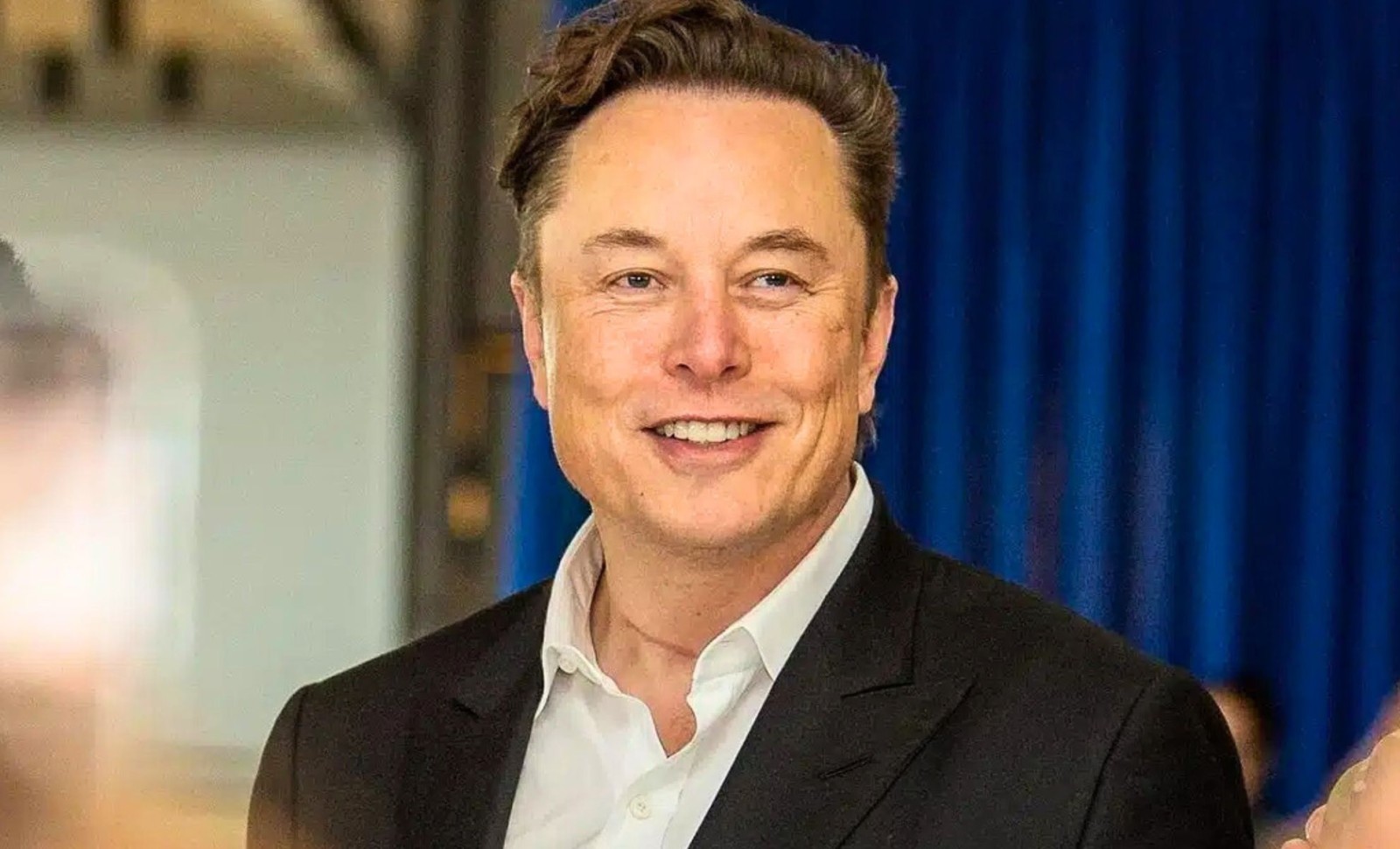
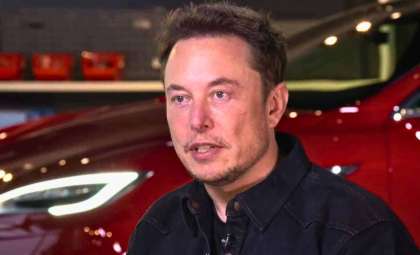
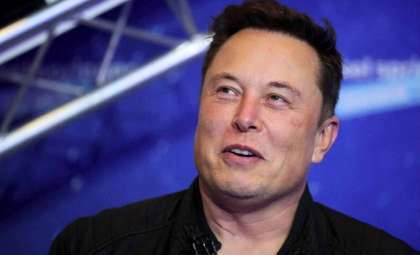
Elon Musk is positioned to become the planet’s inaugural trillionaire. This extraordinary milestone won’t stem from traditional earnings or inheritance but from a groundbreaking, performance-driven compensation tied directly to Tesla’s monumental growth targets.
Central to this deal is an astonishing benchmark: $8.5 trillion. That’s the market value Tesla must attain within ten years for Musk to realize the full worth of his stock-based package, valued at more than $1 trillion. By comparison, Tesla’s present valuation is about $1.1 trillion.
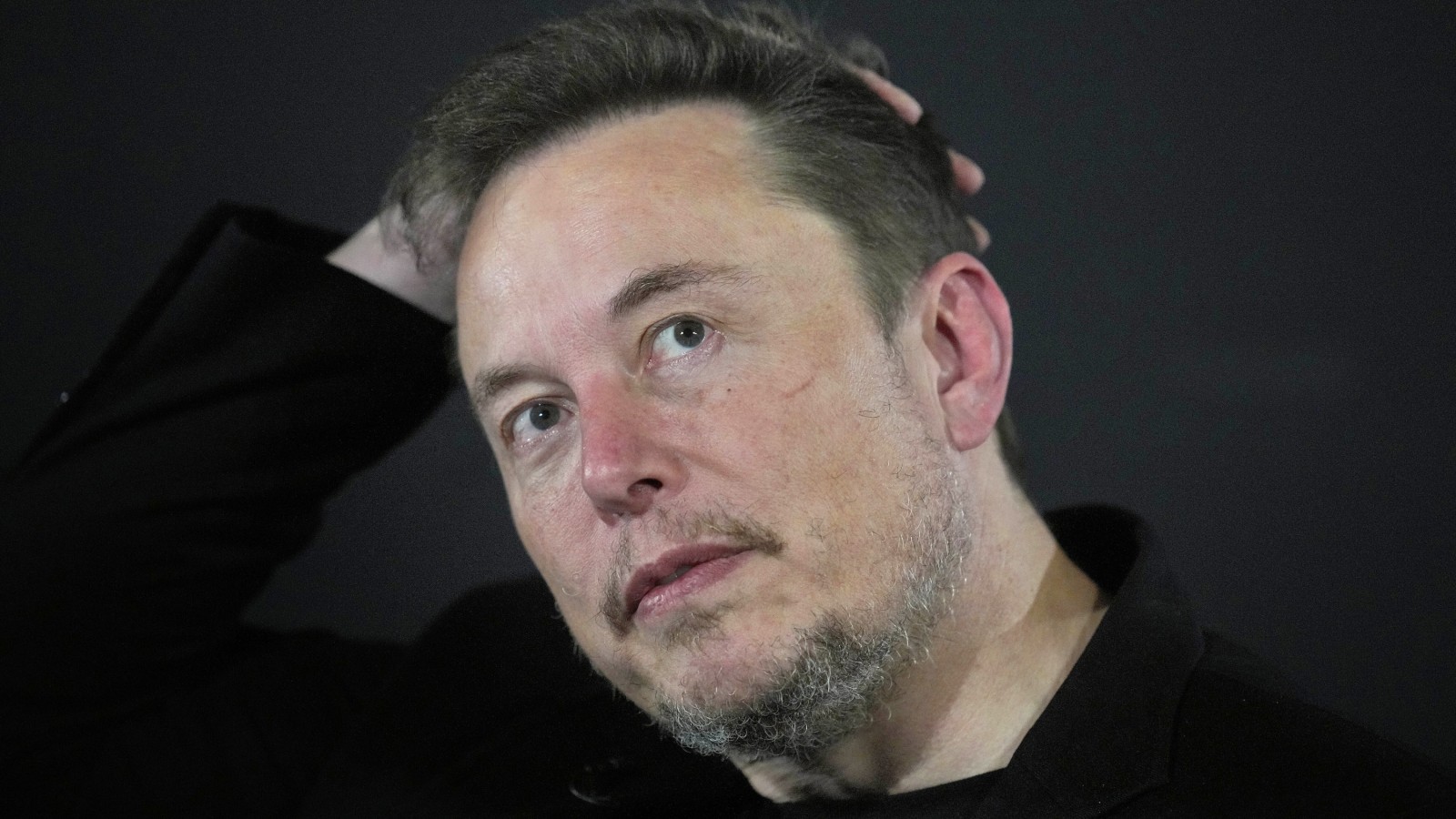
This compensation framework was ratified at Tesla’s 2025 Annual Shareholder Meeting, where over 75% of shareholders endorsed the setup. The agreement is built solely on achieving stringent performance milestones, making it both historic in scale and inherently high-risk.

This deal now serves as an international benchmark: Can the world’s leading EV maker deliver on a vision uniting automation, transportation, robotics, and AI—while maintaining profit margins comparable to technology giants?
An Innovative Model for Executive Compensation
The 2025 CEO Performance Award connects Musk’s equity compensation to ambitious financial and technological objectives unmatched in corporate history:
- Boost Tesla’s annual operating profit from $17 billion to $400 billion
- Expand market capitalization from $1.1 trillion to $8.5 trillion
- Produce 20 million Tesla vehicles cumulatively
- Secure 10 million active Full Self-Driving (FSD) subscriptions
- Deploy 1 million Tesla robotaxis
- Manufacture and deliver 1 million Optimus humanoid robots
These targets were publicized during the shareholder vote and confirmed by sources like ITV News and Teslarati. Tesla has set no alternative metrics or fallback options—failure to meet these benchmarks means no payout for Musk.
This plan builds on Musk’s 2018 compensation package—then the largest ever—valued at $56 billion. Though it attracted legal scrutiny, it helped Tesla become the world’s most valuable automaker. The 2025 plan significantly raises the stakes.
Pivoting Towards Autonomous Tech and Robotics
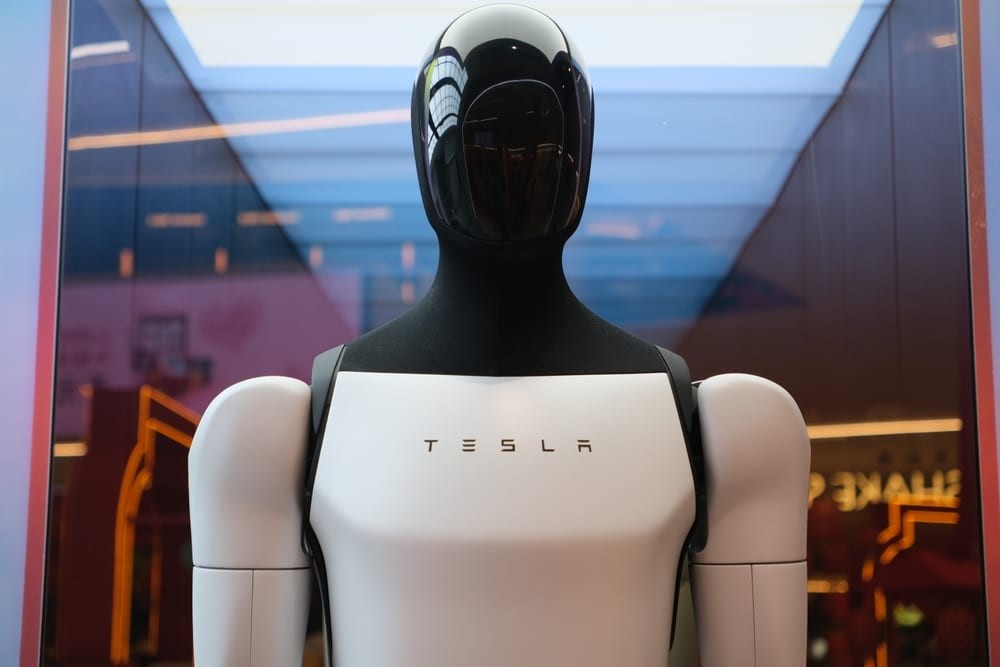
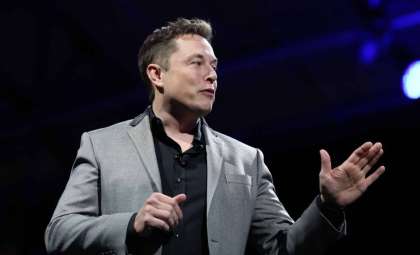
At the same event, Musk showcased Optimus, Tesla’s humanoid robot now demonstrating fluid, autonomous movements live onstage. The reveal underscored Tesla’s intention for large-scale production, starting with a one million units per year factory in Fremont, California, with expansion considered for Gigafactory Texas.
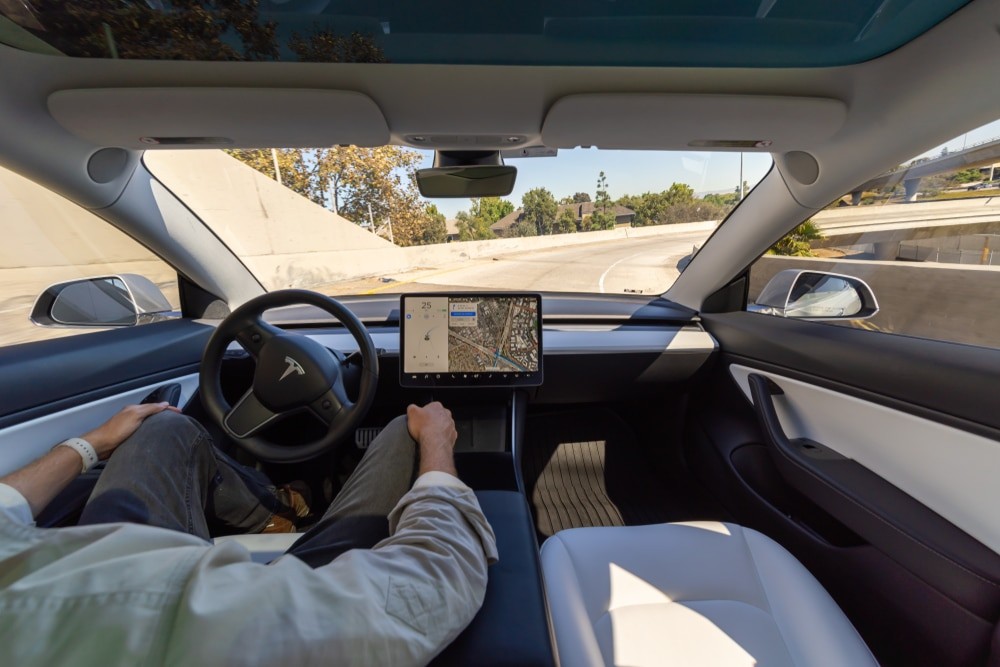
Tesla has also initiated a pilot robotaxi service in Austin, Texas. Musk highlighted a plan to roll out 1 million robotaxis over the coming decade, each fully reliant on Tesla’s Full Self-Driving technology without human intervention.
Musk described a forthcoming update, FSD version 14.3, as enabling passengers to “sleep through their trip and awake at their destination.” Though not yet released and known for schedule delays, Tesla’s FSD has made notable technical progress, recently undergoing road tests in selected urban areas.
No official launch date has been announced yet, but reaching 10 million paid FSD subscribers remains a critical revenue milestone tied directly to Musk’s compensation vesting.
A Landmark Shareholder Decision Redefining Corporate Leadership
The overwhelming approval of Musk’s deal highlights a shift in shareholder influence, aligning executive pay with long-term performance more directly than ever before.
Proponents say this alignment ensures Musk’s deep commitment to Tesla’s future, while skeptics raise concerns over the prudence and safety of granting one individual such expansive control across diverse, complex ventures like AI, energy, and transportation.
The 2025 shareholder meeting featured a well-received, synchronized Optimus demo, but it also raised critical questions: Can Tesla rapidly scale breakthrough technologies to justify an unprecedented trillion-dollar payout?
Tesla’s expanding global manufacturing footprint and dominant EV market share in regions like North America and China provide optimism. Its profit margins, while trailing software giants like Apple and Microsoft, have steadily improved, especially in areas related to FSD software and services.
Yet, no company has ever attempted to transition so swiftly from traditional manufacturing to full autonomy and widespread robotics, nor achieved a market capitalization increase this vast—almost eightfold—in under ten years.
Tesla’s Vision Extends Beyond Automobiles to Transform Global Systems
Musk’s success would not only escalate his own wealth but also alter the intersection of innovation, capital markets, and corporate influence on an unprecedented scale.
By advancing into robotics, AI-driven transportation, and automated labor platforms, Tesla aims to reshape not just vehicle ownership but the broader ways people work, travel, and interact with technology. Achieving this vision could rewrite competitive dynamics across industries and reshape policies regulating large-scale automation.
- Categories:
- News

0 comments
Sign in to Comment