
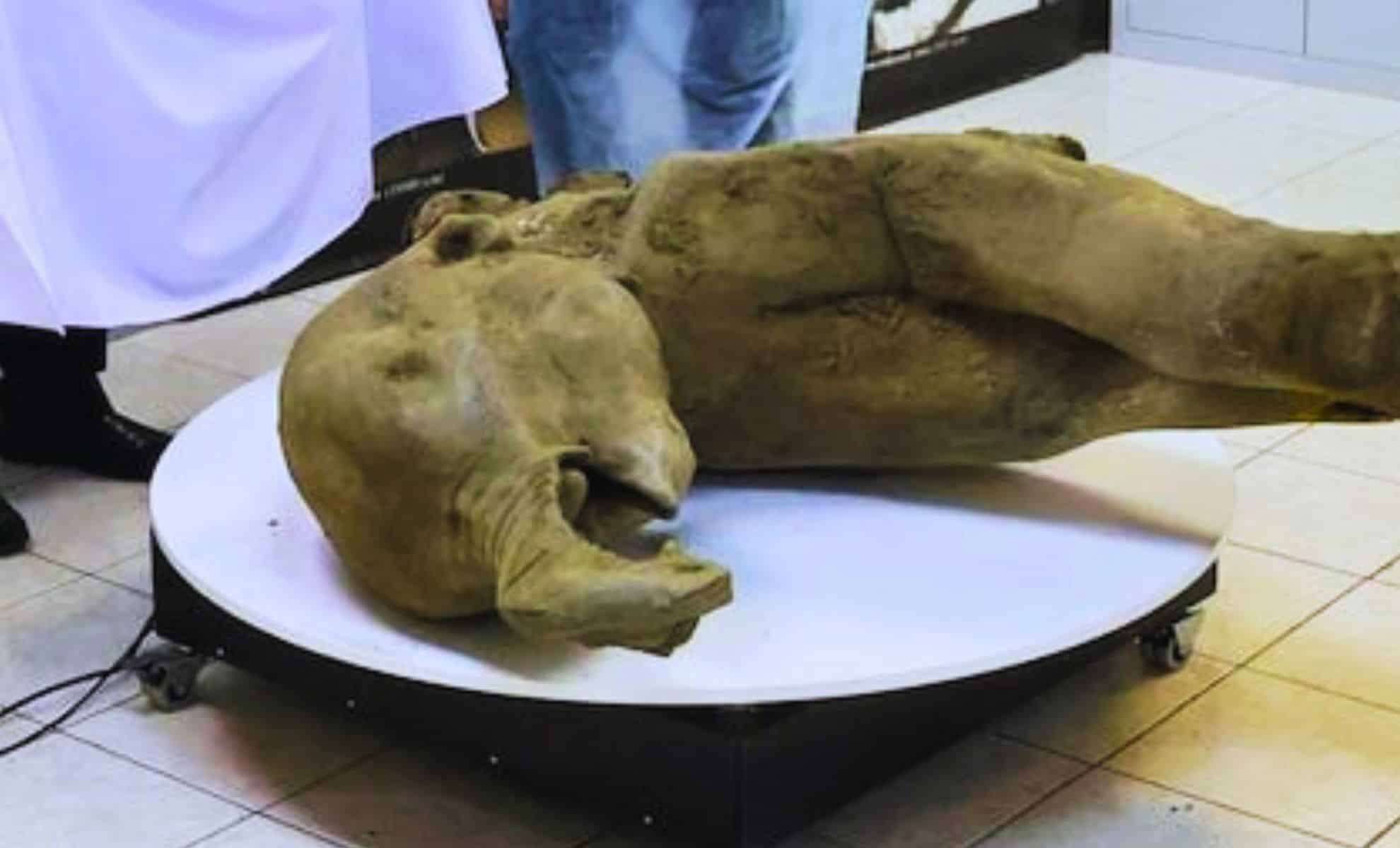
The recent excavation of a baby mammoth, preserved for an estimated 50,000 years beneath the Siberian permafrost, offers an extraordinary opportunity to revisit our perspectives on extinction, preservation, and climate impact. Frozen in an immaculate state, this creature invites a reevaluation of the environmental and biological forces that have shaped Earth’s history.
- Permafrost: Nature’s Time Capsule: Envision a realm where time halts and prehistoric life is encased in ice, guarding the last moments of long-gone animals. This mammoth’s discovery transcends ordinary fossil findings, representing a time capsule from a distant era.
- Advancing Paleontological Knowledge: This discovery does more than recall ancient life—it reshapes our historical narratives. Each revealed detail enriches our comprehension of prehistoric existence.
“Every species lost diminishes a chapter of life’s story. Yet in preserving this mammoth, we glimpse the chance to rewrite extinction’s narrative.” — Dr. Olga Fedorova, Paleontologist
This discovery's importance stretches beyond its physical remains; it symbolizes our deepening connection with history and the environment’s ongoing transformation.

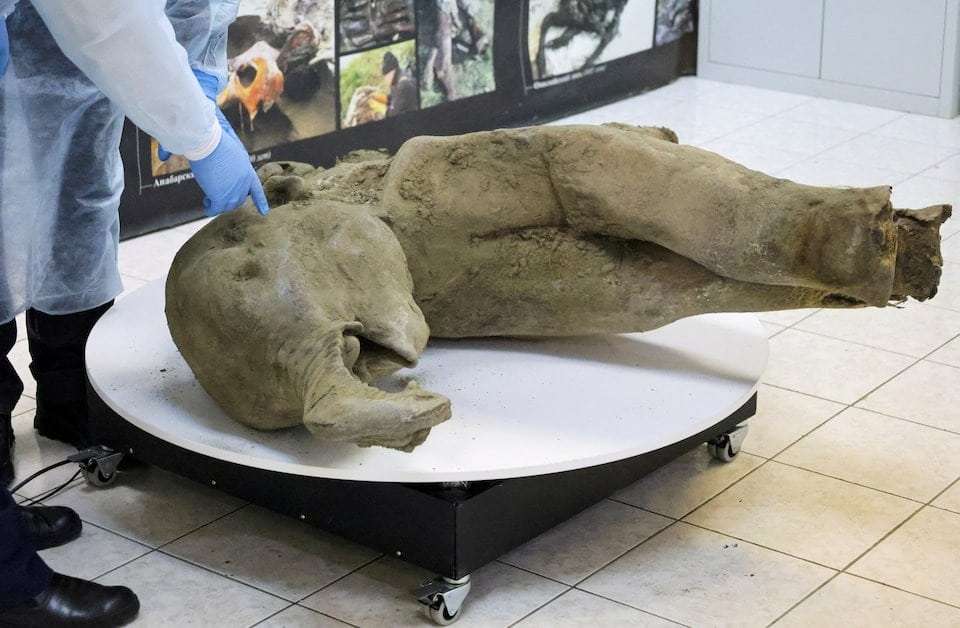
A Portal to Ice Age Siberia
This mammoth serves as more than just a specimen; it offers insight into a vastly different geological period. The treasures locked beneath the Siberian ice, including this find, are not merely remnants but vital keys to understanding the lessons embedded in our planet’s distant past.
Preserving Power of the Siberian Permafrost
- Time Halted: Beyond preserving bones, the permafrost encapsulates entire ecosystems, preserving detailed historical snapshots.
- Exceptional Conditions: The intense cold and arid environment act as a natural freezer, safeguarding biological material in near-original states and offering rare research possibilities.
More than physical remains, permafrost safeguards genetic information, cellular tissues, and dietary clues, urging us to reevaluate how interconnected the past remains with the present.
The Significance of the Excavation Site
- Frozen Historical Records: Around the Yana River, excavations have uncovered remains not only of mammoths but also rhinos and ancient horses, enriching our knowledge of Ice Age fauna.
- Life Reconstruction: Findings from this location hint at migratory patterns and everyday behaviors of these prehistoric giants, enhancing our understanding beyond mere fossil records.
These discoveries piece together the rhythms of Ice Age life, challenging assumptions about our disconnect from ancient wildlife.
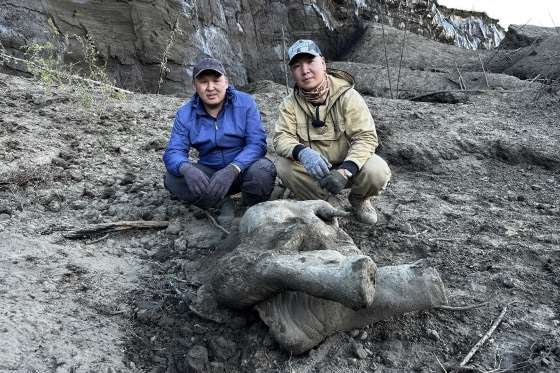
Insights from the Baby Mammoth
Far from a mere fossil, this young mammoth retains its fur, skin, and parts of its internal anatomy. This intact preservation provides a rare glimpse into a living Ice Age creature rather than a distant skeletal impression.
Details of Preservation
- Fur and Skin Integrity: The texture and coloration of the mammoth’s hair create a uniquely direct connection to the animal’s life, emphasizing the quality of preservation.
- Internal Anatomy: The survival of muscle, fat, and stomach tissues offers unparalleled information on its diet, health, and physiology at the time of death.
“History remains alive, waiting for discovery. Each find reveals lives long gone and worlds lost to time.” — Dr. Lena Krasnova, Leader of the Siberian Expedition
This exceptional preservation prompts reflection on life’s delicate balance and draws parallels to the conservation challenges faced by modern species, ecosystems, and genetics.
Age and Development
- Infant Stage: Estimated to be six months old, this mammoth challenges preconceptions of these creatures as solely colossal beasts, highlighting vulnerabilities at early life stages.
- Growth Insights: The young age offers vital data about developmental processes, herd interactions, and survival rates among Ice Age megafauna.
Uncovering a juvenile specimen deepens the questions around extinction dynamics, including whether mammoth disappearance was purely climate-driven or influenced by other factors.
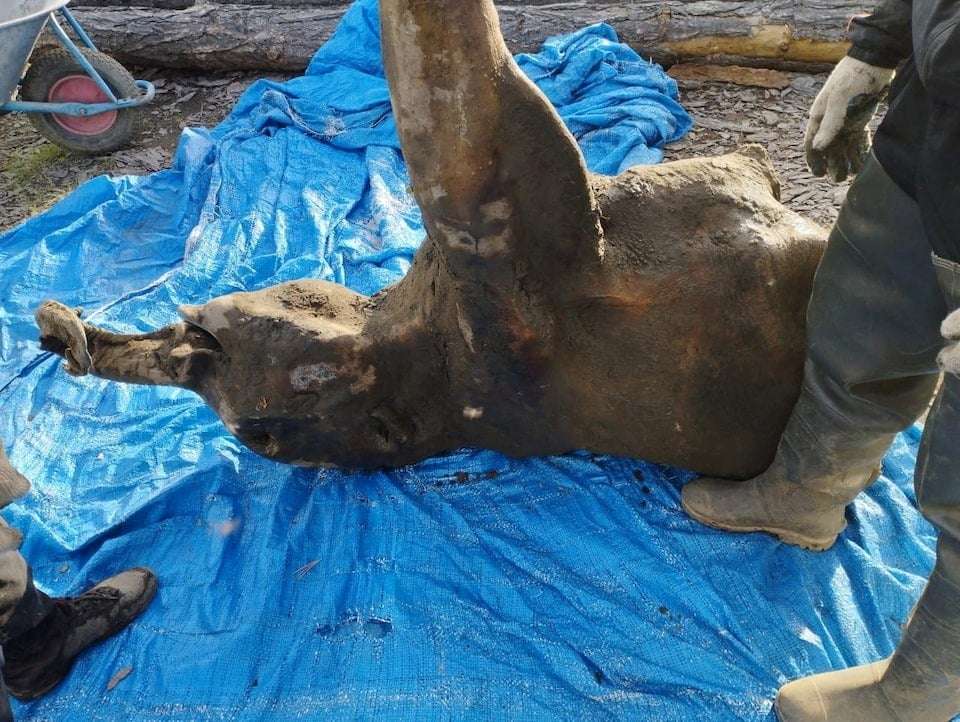
Unraveling Mammoth Extinction
The disappearance of mammoths remains an enigmatic chapter in Earth’s past. Was their extinction a slow decline or the result of sudden events? This recent discovery challenges established extinction narratives.
Extinction Hypotheses
- Climate Effects: Ice Age warming altered ecosystems, replacing cold grasslands with forests, disrupting mammoth habitats.
- Human Interaction: Some researchers suggest human hunting played a pivotal role, though this remains a contested topic.
Could the extinction result from a combination of human pressures and environmental shifts, rather than a single cause? This complexity encourages nuanced exploration.
Impact of Ancient Genetics Research
- Genetic Revelations: Analysis of ancient DNA sheds light on mammoth population genetics and their adaptability or vulnerability to environmental changes.
- Species Interactions: DNA evidence points toward potential interbreeding episodes between mammoths and other species, including early humans.
Ancient genetic research transforms our understanding of the past and presents ethical considerations about the feasibility and consequences of reviving extinct species.
Broader Scientific Ramifications
This discovery carries significance beyond paleontology, signaling a future where uncovering ancient life becomes pivotal in understanding present-day biological and environmental challenges.
Genomic Research and Ethical Questions
- De-Extinction Possibilities: The notion of bringing extinct species back raises complex ethical debates regarding ecological balance and responsibility.
- Biotechnological Advances: Mammoth DNA could catalyze breakthroughs in gene editing, benefiting conservation efforts and medical science.
As the line between extinct and extant life blurs, society faces critical decisions about managing biological heritage and future innovation.
Climate Change Lessons
- Historical Adaptation: Insights from mammoth responses to Ice Age shifts may guide conservation strategies for species currently threatened by climate transformations.
- Relevance Today: Understanding former climate upheavals contextualizes modern global warming challenges and potential ecological responses.
Studying mammoths' past struggles prompts reflection on humanity's preparedness for ongoing environmental changes and the cautionary tales extinction stories bear.
Step Forward in Prehistoric Understanding
This finding is a milestone, not just for paleontology but for our broader grasp of the past. It compels us to rethink how ancient events shape our collective future.
- Continuing Discovery: Our exploration into extinct species is a means to glean knowledge that remains relevant and instructive.
- Reevaluating Extinction: The mammoth’s legacy urges a fresh perspective on species survival, conservation, and human impact on nature.
“Extinction marks an ending, but that story continues to resonate throughout time.” — Dr. Alexei Makarov, Evolutionary Biologist
The tale of this baby mammoth reflects not only a species lost but raises vital questions about humanity’s role in the stewardship of Earth’s remaining biodiversity.





0 comments
Sign in to Comment