
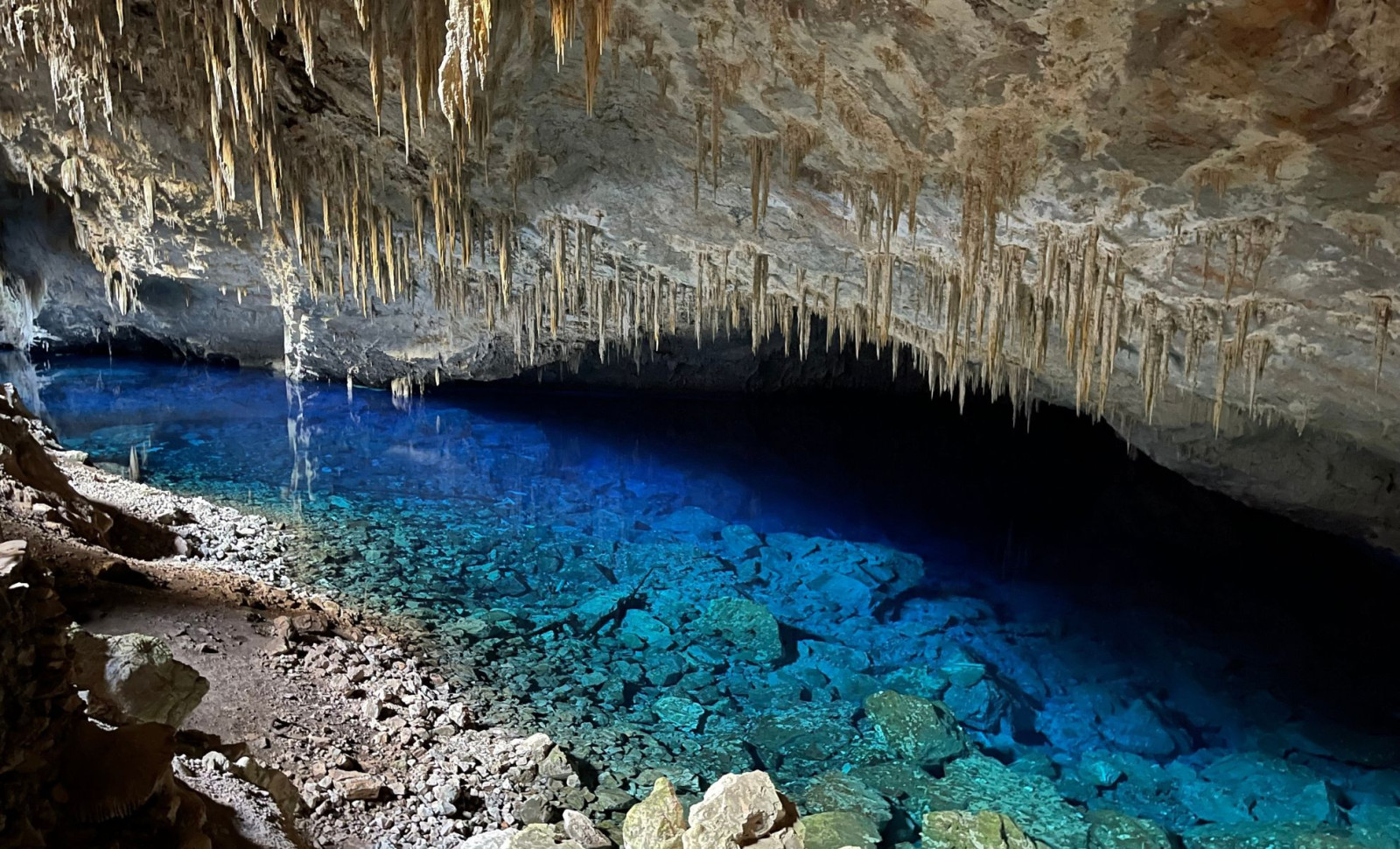
These minute fossils unearthed in Brazil, long thought to be signs of some of the earliest animal life, have been reevaluated using advanced imaging technology, sparking fresh discussions about their true origins.
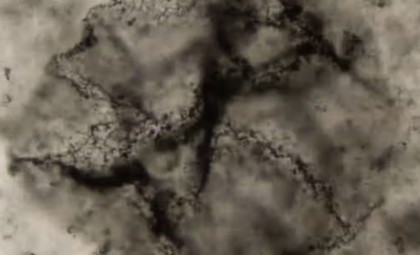
Originating from rocks in Mato Grosso do Sul dated to around 540 million years ago, during the Ediacaran Period, these enigmatic structures were once interpreted as burrows created by meiofauna—tiny invertebrates measuring less than a millimeter.
This view was significant because it suggested these small animals existed before the Cambrian explosion, when animal species diversity surged. However, a new investigation published in Gondwana Research employs state-of-the-art imaging methods to present an alternative explanation.

Preservation of Cellular Structures Over Geological Time
Researchers applied microtomography and spectroscopy, enabling them to detect intricate features invisible through traditional analysis methods. Lead author Bruno Becker-Kerber explained the team uncovered distinct cellular patterns and traces of organic substances within some fossils.
“Using microtomography and spectroscopy techniques, we observed that the microfossils have cellular structures, sometimes with preserved organic material, consistent with bacteria or algae that existed during that period. These aren’t traces of animals that may have passed through the area,” he said.
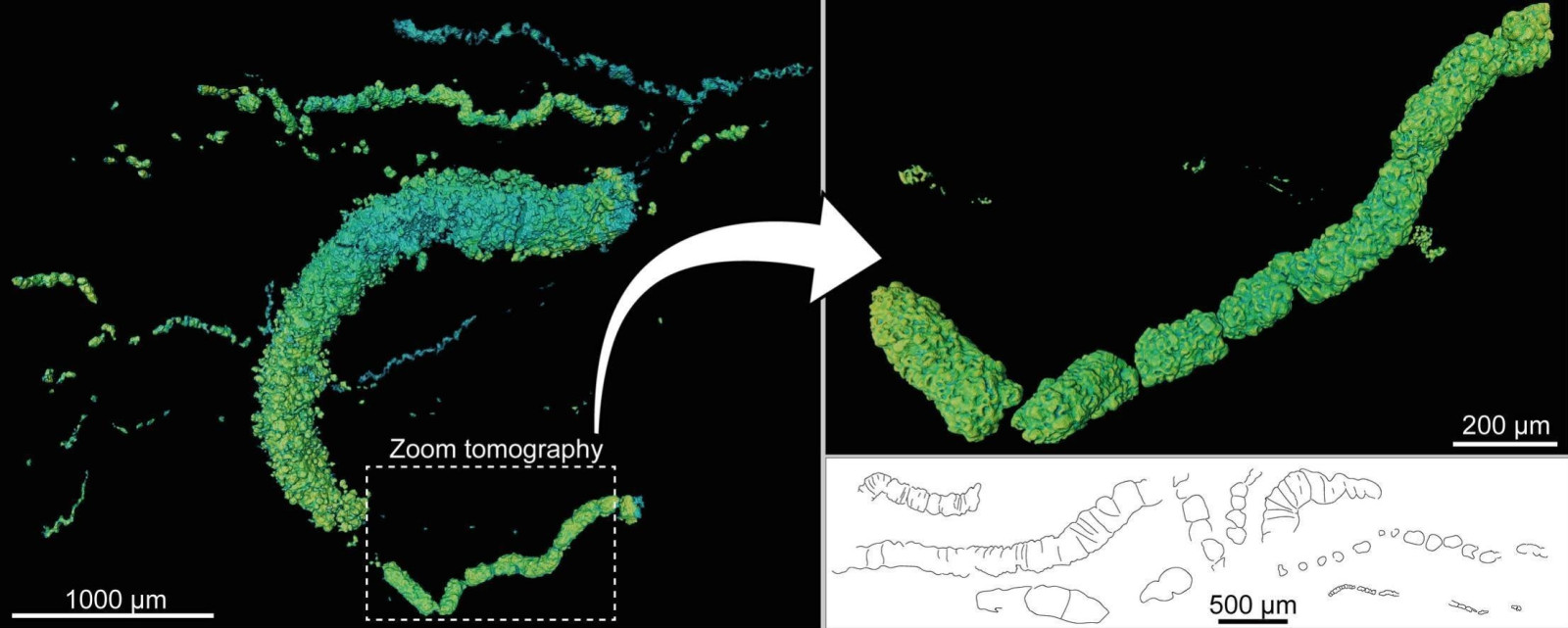
Much of the analysis was conducted at the MOGNO beamline at Sirius, a particle accelerator facility managed by the Brazilian Center for Research in Energy and Materials (CNPEM). There, micro- and nanotomography enabled examination of structures ranging from just a few micrometers down to the nanoscale.
This technology also allowed scientists to closely analyze particular features within larger rock specimens nondestructively. Becker-Kerber pointed out that earlier studies suggesting an animal origin lacked access to such detailed imaging. The researchers supplemented their work with Raman spectroscopy for detecting organic components preserved inside the fossils.
Reinterpreting a 540-Million-Year-Old Enigma
If these features had truly been burrows, it would imply meiofauna were already active on seafloors during the Ediacaran period. However, the new research contradicts this, showing that the fossils instead display characteristics typical of preserved microorganisms, including cell walls, division patterns, organic remnants, and filamentous forms.
Distinguishing between these interpretations is crucial because the Ediacaran Period immediately precedes the Cambrian explosion—a pivotal time when increased oxygen levels coincided with the rise of more complex animal life.
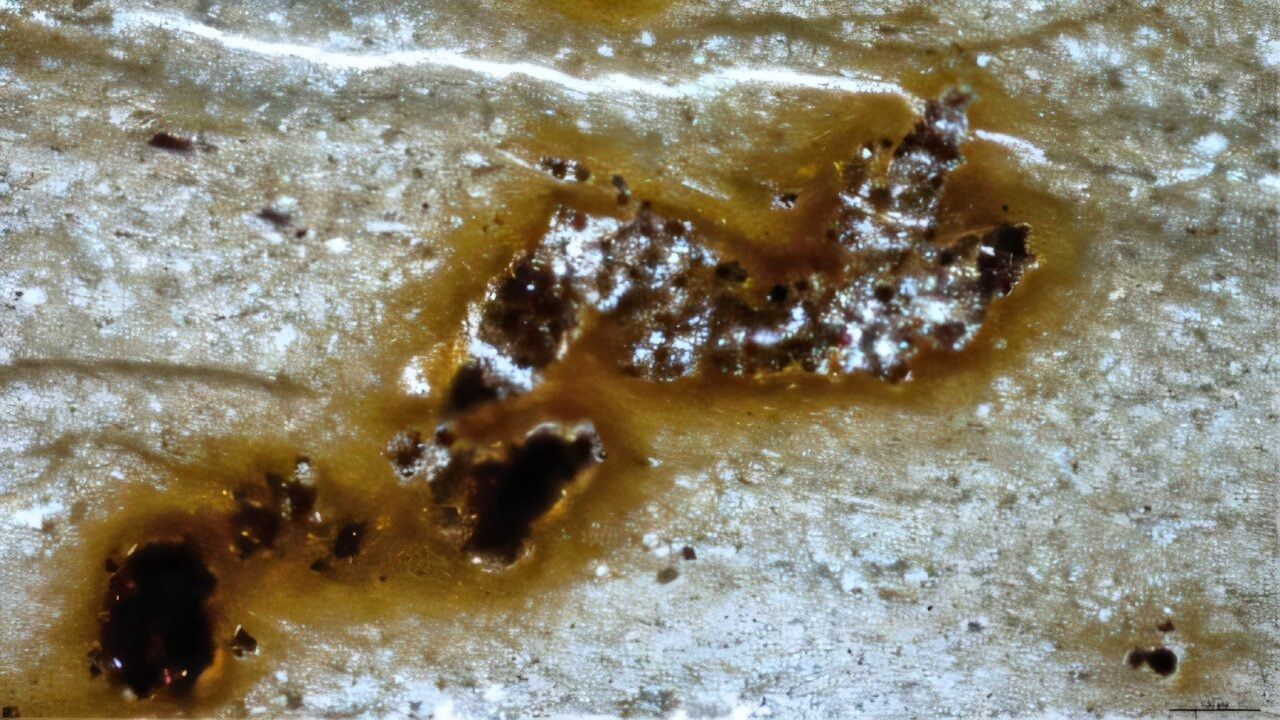
Scientists now argue that these fossils do not support the presence of meiofauna in these ancient ecosystems. Documented evidence for such tiny animals only appears in younger Cambrian geological layers.
A Snapshot of an Ancient Microbial Ecosystem
The investigation revealed that the fossils cluster into three distinct size ranges, potentially reflecting different microbial species coexisting within the same community. The larger fossils resemble green or red algae, while the smaller ones might belong to algae, cyanobacteria, or sulfur-oxidizing bacteria.
Some specimens contain pyrite, an iron-sulfur mineral often associated with sulfur-oxidizing bacteria—microbes that metabolize sulfur and can grow surprisingly large.
“This group of bacteria is surprising. Some of the largest ever recorded belong precisely to this category,” Becker-Kerber noted. “Unlike the common image we have of microscopic bacteria, certain species can reach diameters larger than a strand of hair and are visible to the naked eye.”
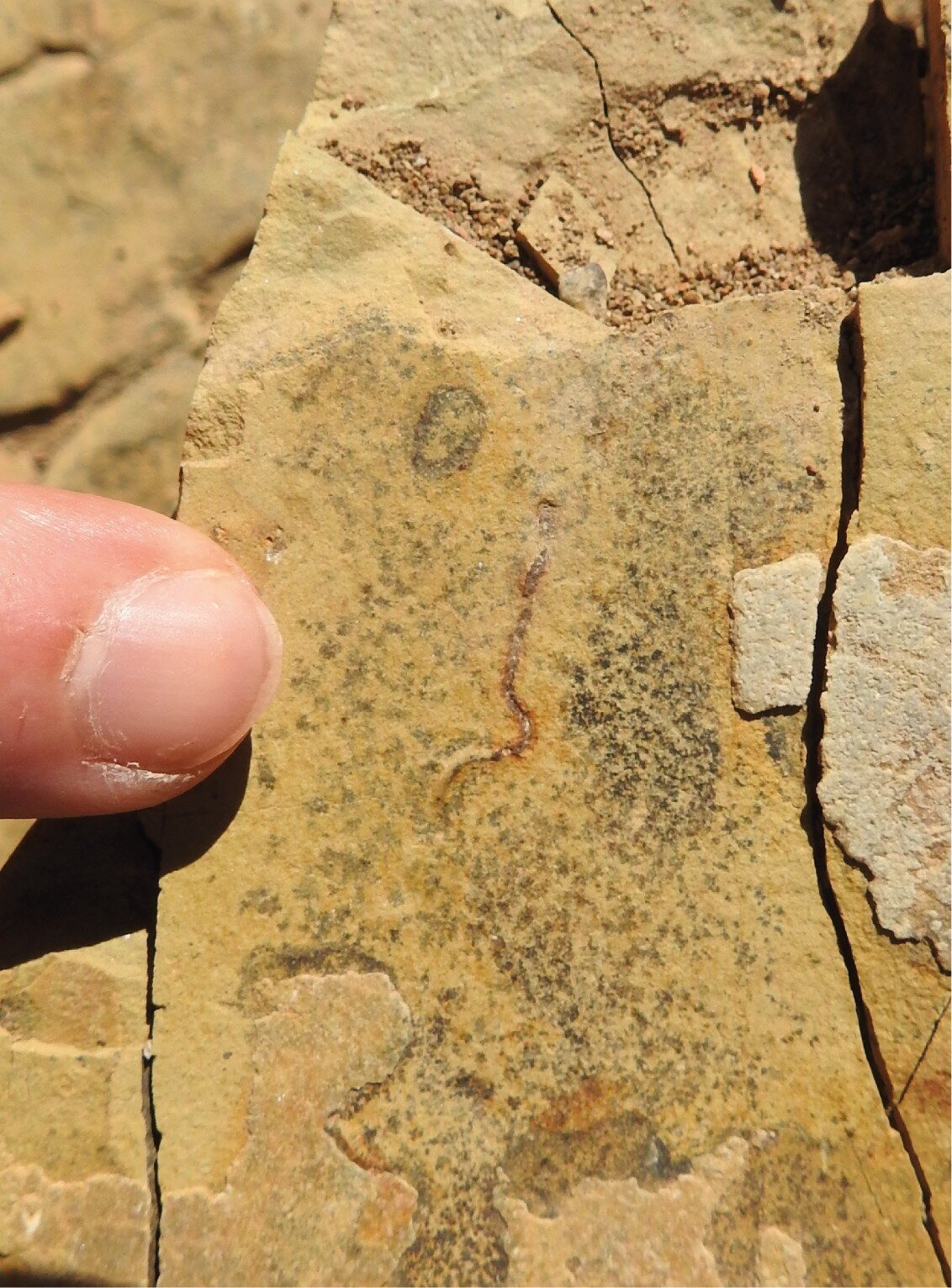
The team also identified coiled filaments, concave and convex segmentations, and cells retaining organic material.
“This evidence is much closer to bacteria or algae than to mere marks of disturbance caused by animals.”
Rather than documenting the activities of early animals, these fossils seem to preserve a once-flourishing microbial ecosystem from hundreds of millions of years ago.
- Categories:
- Science




0 comments
Sign in to Comment