
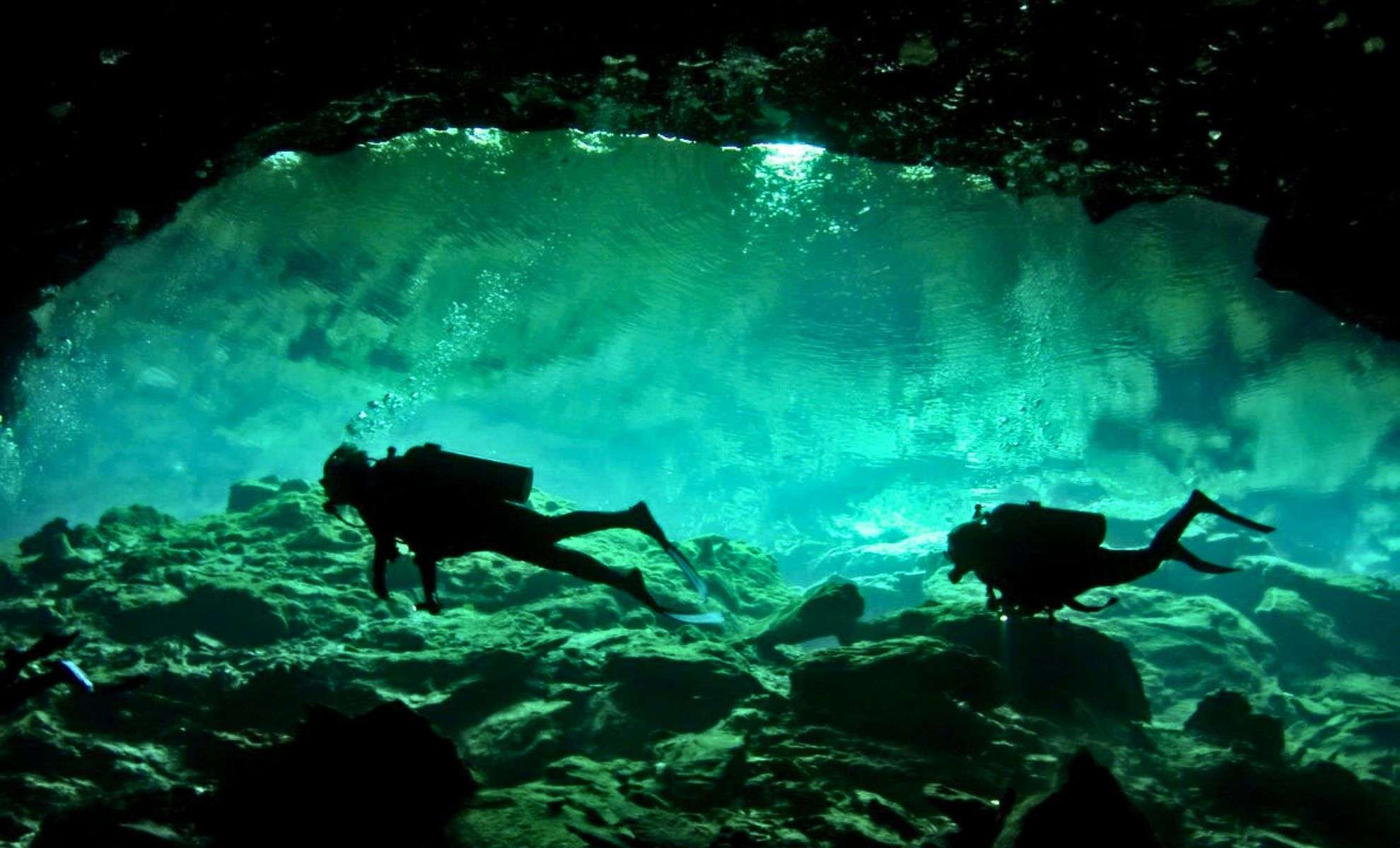
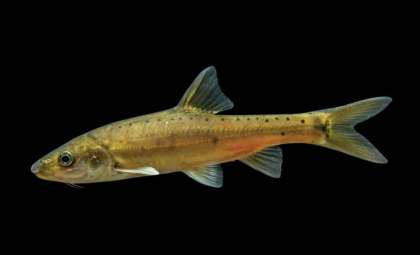
Scientists from China have uncovered a previously unknown species of fish dwelling in the caves of the Jinsha River basin, located in the biodiverse region of Yunnan Province in southwestern China. This novel fish, named Triplophysa baishuijiangensis, was introduced in a peer-reviewed paper published by ZooKeys, marking the first confirmed cavefish species discovered in this segment of the Yangtze River network.
Living in an underwater cave system near the village of Xiaoganxi, this species has developed striking adaptations to its dark habitat. It possesses no body coloration, rudimentary eyes, and a semi-clear exterior that reveals parts of its internal anatomy. Researchers collected eleven individuals from an underground spring that feeds into the Baishuijiang River, an area protected as an aquatic genetic reserve for native species.
Lead researcher Dr. Min Shi and his team at the Kunming Institute of Zoology highlighted the significant morphological and genetic differences that distinguish T. baishuijiangensis from other related species. “The distinct anatomical characteristics and notable genetic separation from other Triplophysa members affirm its status as a new species,” the publication stated, emphasizing its classification within the hypogean group adapted to subterranean life.

A Living Model of Evolution in Darkness
This loach exhibits classic cave-dwelling features: absence of scales, elongated barbels near its mouth used for detecting food, and a pronounced lateral line system that senses movement in pitch-black environments. Its pelvic fins extend to the anus, a notable characteristic, and its dorsal fin structure is supported by a distinctive ray arrangement. Additionally, a specialized swim bladder compartment may assist in stabilization within the slow-moving waters typical of subterranean rivers.
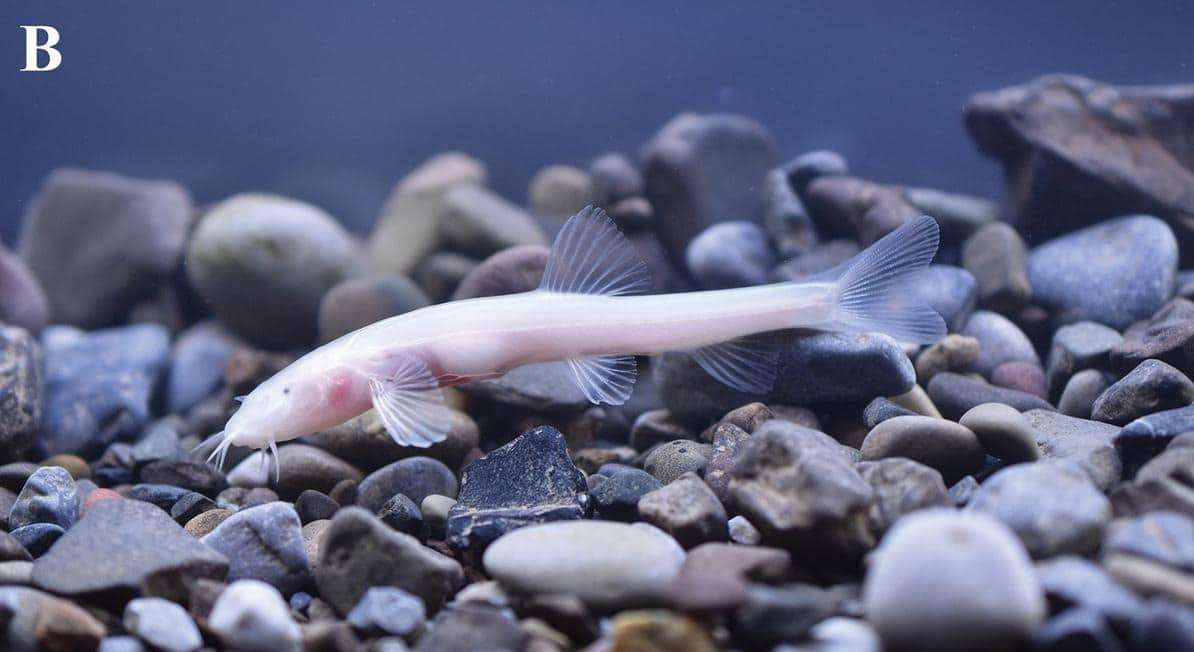
These adaptations provide valuable insight into evolutionary processes occurring in lightless, isolated ecosystems over long timescales. “This species exemplifies troglomorphic evolution,” remarked Dr. Yuan-Chao Chen, co-author of the study. “That we continue to discover such species in 2025 reveals how much remains unexplored in these habitats.”
The Jinsha River basin, feeding into the Yangtze River, is among China's richest freshwater ecosystems. Yet vast portions of its underground biodiversity remain concealed beneath karst formations and cave networks. This newest addition raises the total known cavefish species in the genus Triplophysa to 43, hinting at many more yet undiscovered.
Distinct Cranial Differences Between Males and Females
The team also documented noticeable sexual dimorphism in this species’ head shapes. Males feature a sharply narrowed region near the eyes, creating a bell-shaped profile ending in a rounded snout, while females exhibit a more gently sloping head tapering to a pointed nose. Such differences have been reported in other cave loaches like Triplophysa daqiaoensis, suggesting common evolutionary patterns within this genus.
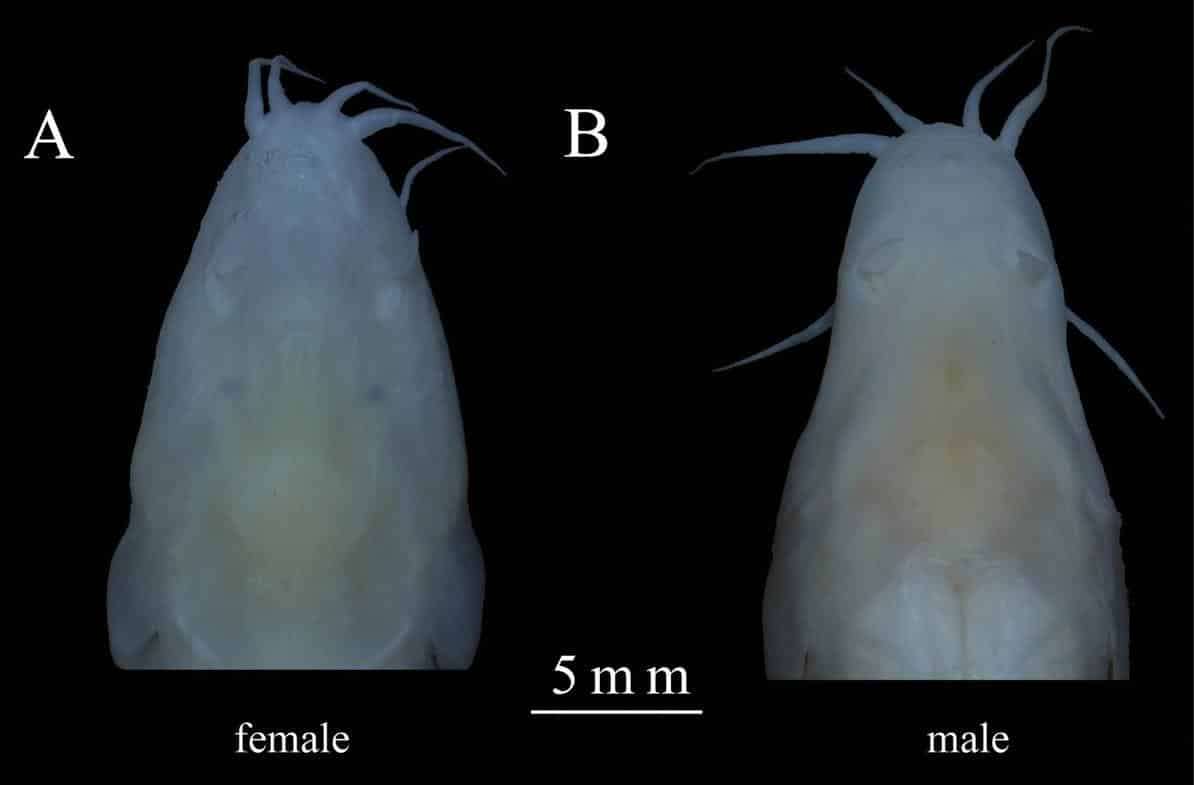
Fish were collected using hand nets, photographed alive, and then fixed in either 75% ethanol or 10% formalin depending on their state. Genetic sequencing focused on mitochondrial Cyt b, a standard marker for evolutionary studies, confirming the species’ placement within the troglobitic Triplophysa clade.
This discovery extends beyond biology, raising conservation concerns. “Our knowledge barely scratches the surface,” said Dr. Wen-Ming Liu, part of the research team. “These delicate environments are vulnerable, and human impacts might endanger species before they’re even documented.”
Revealing Hidden Biodiversity and Conservation Needs
The habitat of T. baishuijiangensis lies within the Baishuijiang National Aquatic Germplasm Resources Reserve, established to safeguard freshwater genetic diversity, especially endemic species. Yet the recent identification of this distinct fish underscores how secretive subterranean ecosystems are and the limited scope of field research in many inland waterways.
Over the past decade, only a few expeditions have mapped cavefish habitats throughout China. A 2023 review published in Hydrobiologia cautioned that “[Southwest China's cave ecosystems] remain underexplored biologically and face increasing threats from development, pollution, and water usage.”











0 comments
Sign in to Comment