
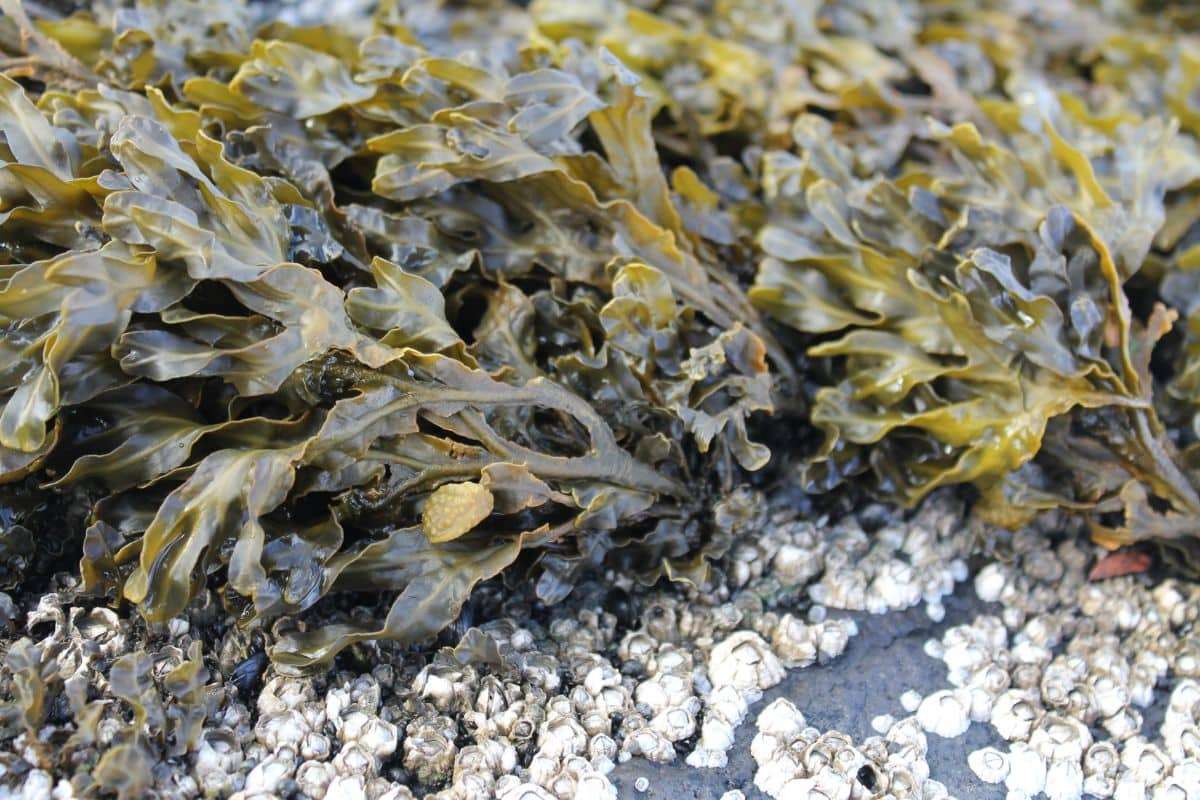
A vast expanse of bladderwrack seaweed stretching across the Baltic Sea has surprised researchers by being not a diverse population but a single colossal clone. Recent genetic research has revealed that this seaweed extends over an impressive 310 miles (500 kilometers) of ocean, making it one of the largest known genetic clones worldwide, as detailed in a Molecular Ecology publication.
An Unprecedented Seaweed Clone
Initially, scientists thought this seaweed was a type of narrow wrack commonly found in the Bothnian Sea, north of the Baltic. Yet, genetic testing by the University of Gothenburg team unveiled that it is in fact common bladderwrack, distinguished by its unique reproductive method.
Unlike most bladderwrack that reproduce sexually, this clone propagates asexually. Pieces of the original female plant float through the water, settle, and grow into exact genetic replicas. Over time, these clones have created extensive underwater forests that dominate parts of the Baltic Sea.
“This clone includes millions of individual plants and in certain areas, it is the dominant form,” explained Ricardo Pereyra, a marine biologist from the University of Gothenburg who led the genetic work. “We have identified other large clones in the Baltic, but this female clone near the Swedish Gulf of Bothnia is by far the largest — a true super female.”

A Vital Component of the Marine Habitat
Bladderwrack is essential in creating dense underwater habitats in the Baltic Sea. These underwater forests act as critical nurseries for juvenile fish, snails, crustaceans, and numerous other marine creatures by offering food, shelter, and protection from predators.
Despite the clone’s vast spread, its genetic sameness poses significant ecological concerns. Unlike organisms reproducing sexually, clones lack genetic diversity that is vital for resilience.
Consequences of Genetic Homogeneity
“Clonal populations have very limited genetic variation, which usually helps a species survive changing conditions,” said Kerstin Johannesson, biologist at the University of Gothenburg and co-author of the research.
Genetic variability allows populations to adapt to challenges like disease, pollution, or climate fluctuations, as some individuals possess traits that confer resistance. Without this diversity, a single threat can impact all genetically identical members.
Therefore, clonal populations face greater vulnerability to environmental changes or outbreaks.
Broader Implications of This Research
This discovery opens up new avenues in understanding marine plant evolution and adaptation. Scientists are intrigued by how this super female clone managed to extend such a distance, how old it may be, and whether even larger clones exist beneath the oceans.
The study, available in the Journal Molecular Ecology, also found a related seaweed species nearby that reproduces sexually, highlighting evolutionary questions surrounding different reproductive tactics.
Gaining insight into the strengths and limitations of clonal expansion could assist in predicting marine ecosystem responses to climate change and shaping conservation strategies to protect vulnerable marine environments.
- Categories:
- Science






0 comments
Sign in to Comment