
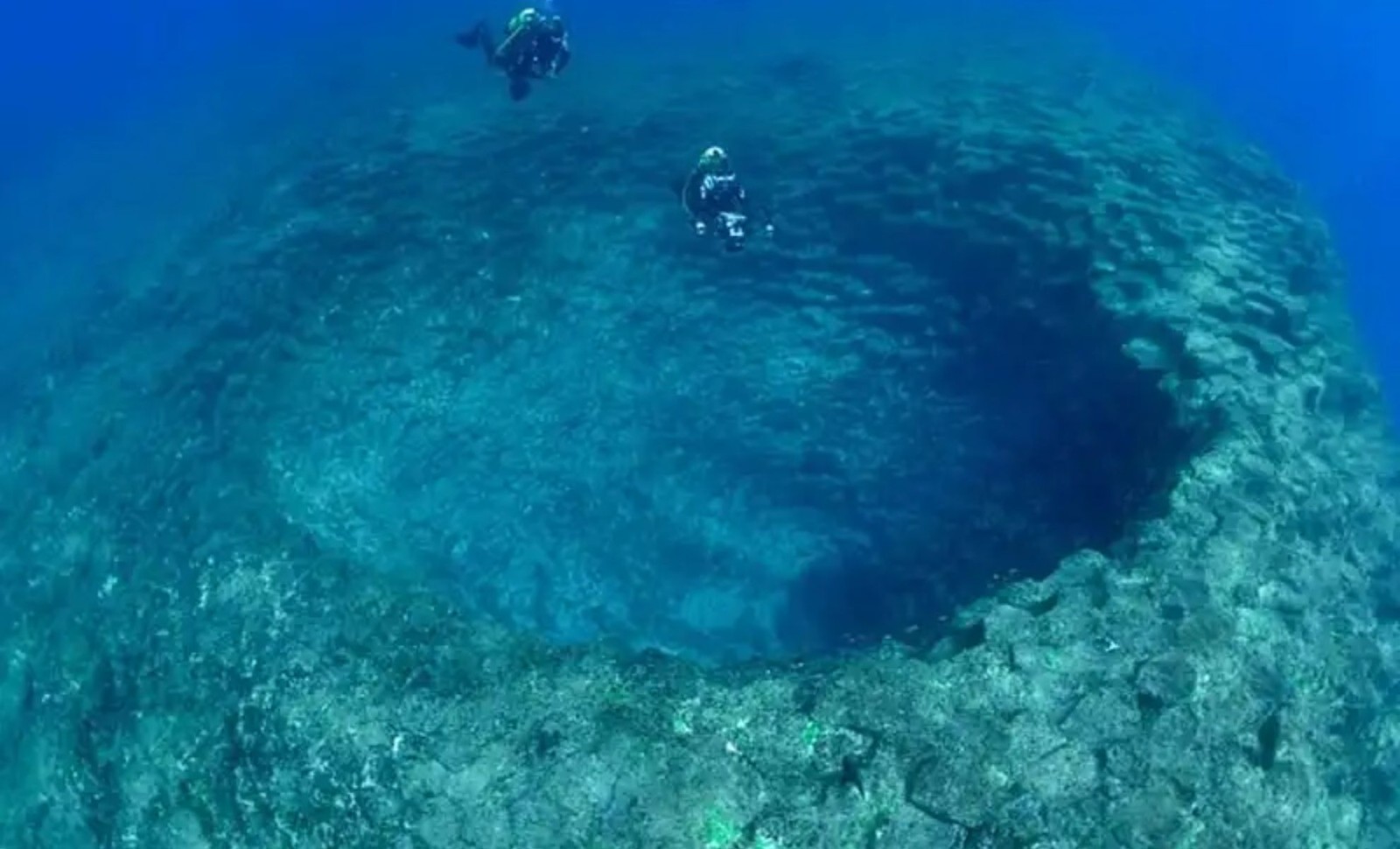
Researchers have verified the existence of a massive asteroid crater located approximately 300 meters beneath the Atlantic Ocean’s seabed. This enormous feature, known as the Nadir Crater, dates back around 66 million years and coincides with a pivotal moment in Earth's history, closely related to the event that caused the dinosaurs' extinction.
Led by the team at Heriot-Watt University, this finding represents a significant step forward in understanding the aftermath of large asteroid collisions. The crater itself, measuring nearly 9 kilometers across, offers invaluable insights into the catastrophic processes triggered by such impacts.
Unveiling the Nadir Crater
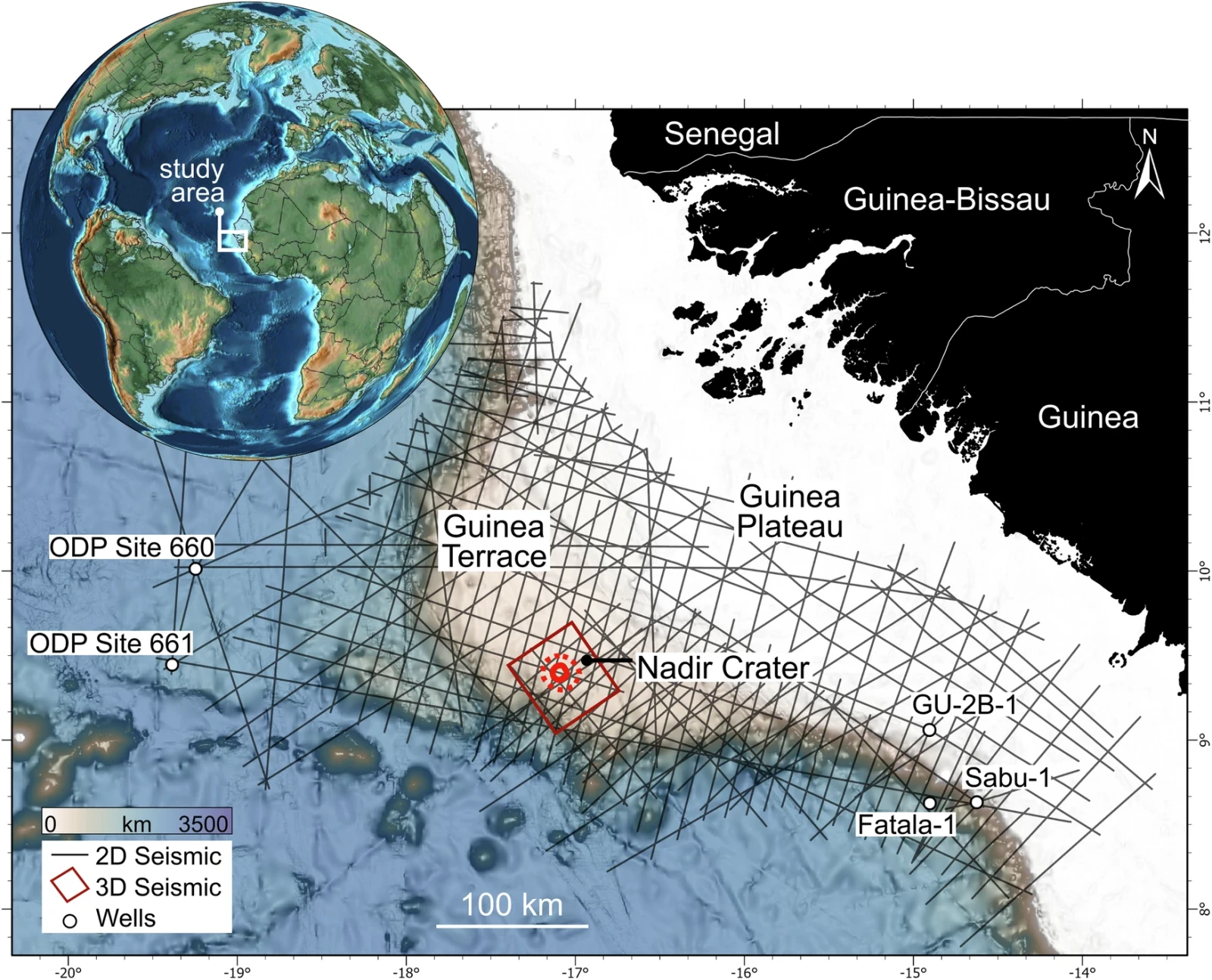
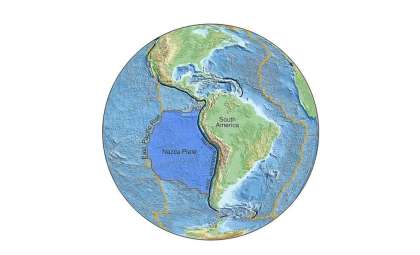
In 2022, Dr. Uisdean Nicholson from Heriot-Watt University identified a remarkable circular depression using seismic data from the Atlantic floor near Guinea. This structure, spanning over 8.5 kilometers, piqued interest as a potential asteroid impact site.

The depression, now named the Nadir Crater, lies roughly 300 meters under the ocean floor. Subsequent detailed analyses confirmed its origin as an impact crater formed approximately 66 million years ago.
Its dimensions, about 9 kilometers wide, imply it resulted from an asteroid roughly 450–500 meters in diameter—comparable in size to the Chicxulub impactor, which is famously associated with the dinosaur extinction. While distinct from Chicxulub, the similarity in timing and scale broadens our perspective on the catastrophic events leading to mass extinctions.
Post-Impact Effects: Tsunami Waves and Geological Turmoil
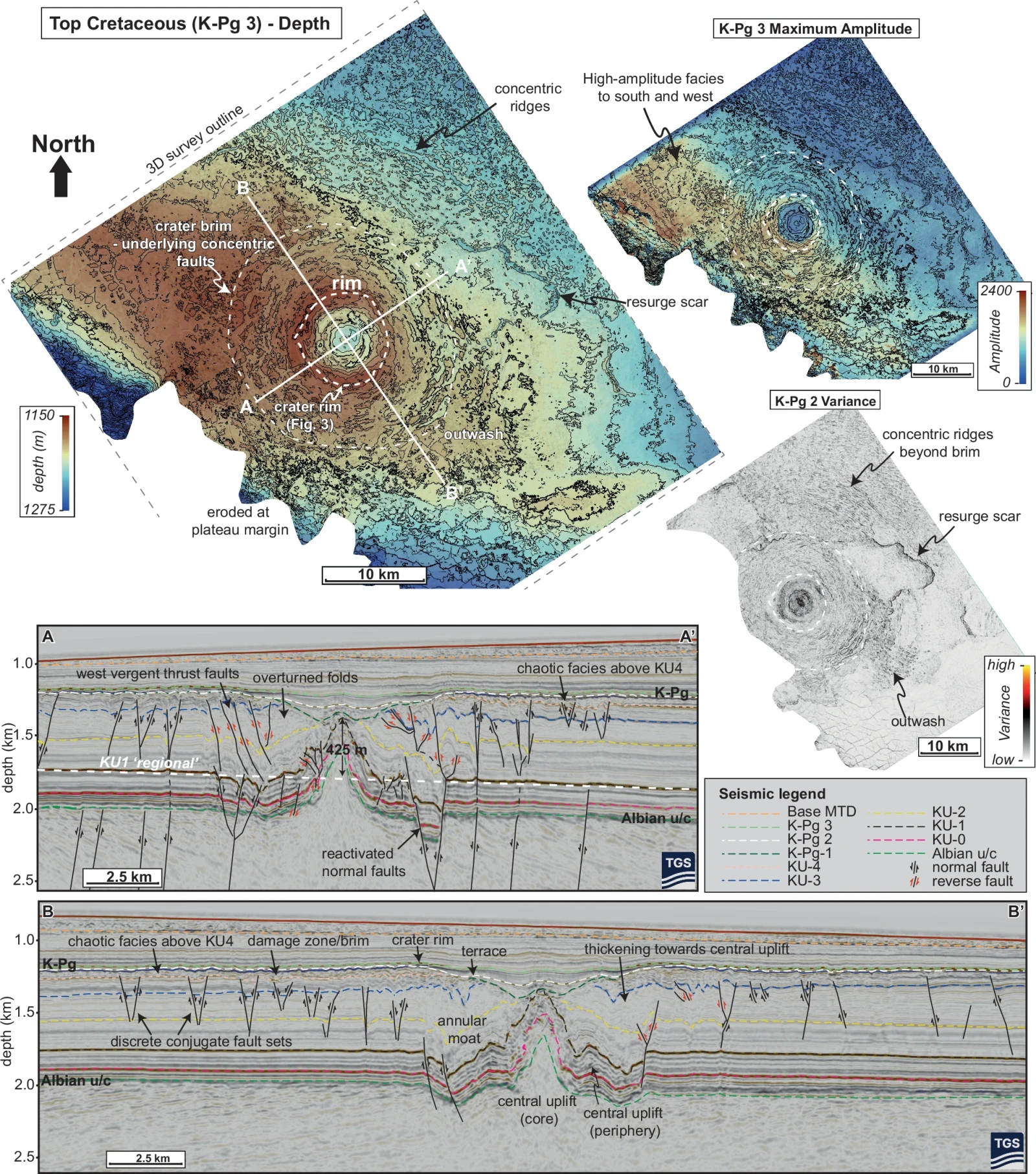
Utilizing advanced 3D seismic imaging from the geophysical firm TGS, scientists have reconstructed the events immediately after the asteroid collided with Earth.
Their study, published in Nature Communications Earth & Environment, reveals that molten rock surged upward, fracturing surrounding rock layers across thousands of square kilometers. The seismic evidence also indicates a devastating tsunami that swept throughout the Atlantic.
Additionally, sediment liquefaction beneath the seabed caused materials to flow back into the crater, creating a visible “rim.” The oceanic plateau experienced landslides and the seabed shows large “resurge scars,” indicating turbulent water flows rushing back toward the crater site.
Preserved Crater Presents New Exploratory Possibilities
The exceptional preservation of the Nadir Crater beneath the ocean floor differentiates it from terrestrial craters, which frequently suffer erosion and alteration over millions of years. For scientists such as Dr. Nicholson, this offers a rare window to examine fundamental questions about impact processes.
The research team is planning a deep-sea drilling mission to extract core samples from the crater’s basin. These samples will shed light on the pressures from the impact and help refine scientific models describing crater formation and evolution. As Dr. Nicholson explains:
“craters on the surface are usually heavily eroded and we can only see what is exposed, whereas craters on other planetary bodies usually only show the surface expression”.
- Categories:
- Science






0 comments
Sign in to Comment