
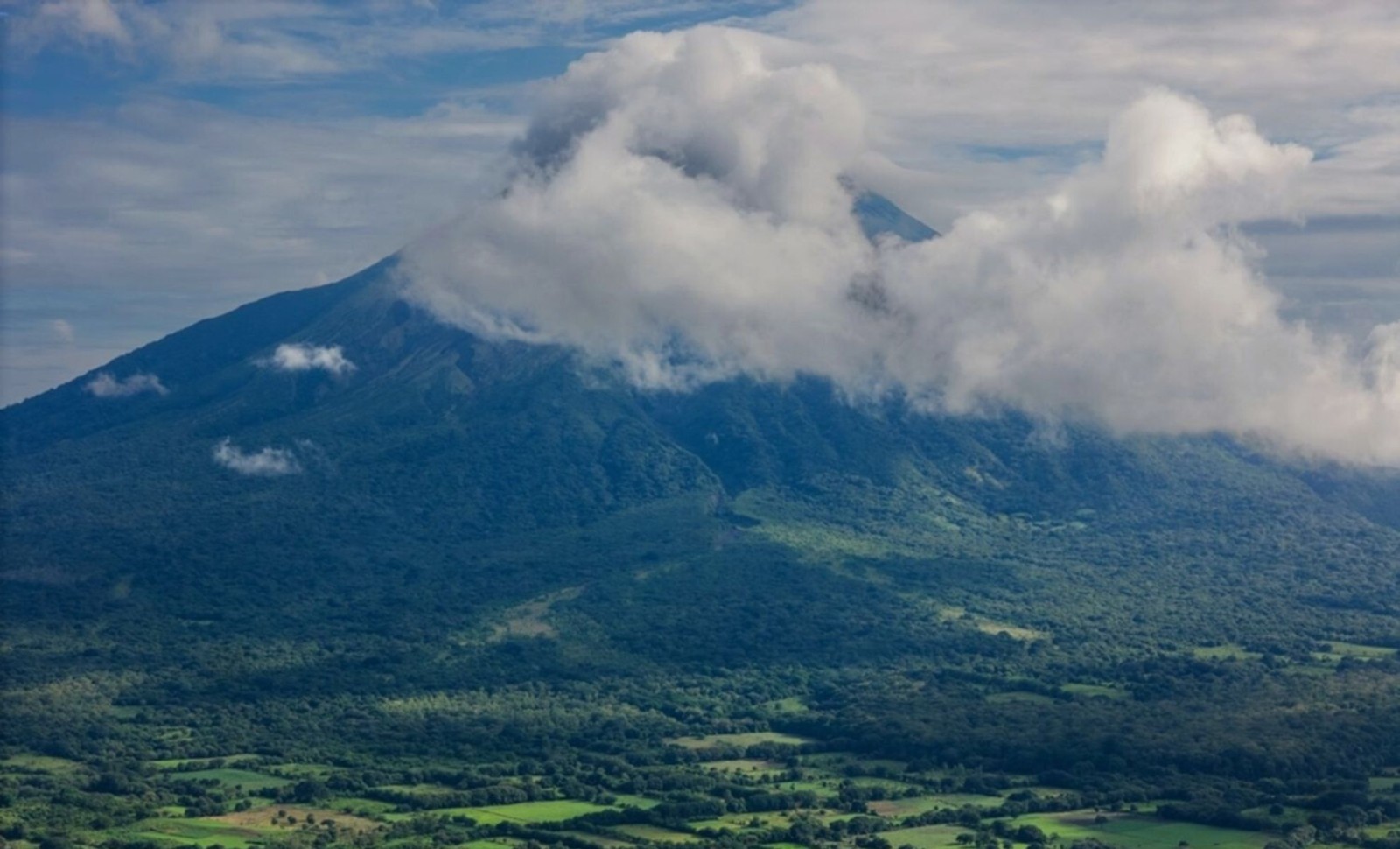
Scientists have uncovered an extensive chain of extinct volcanoes concealed several kilometers beneath southern China, unveiling a significant chapter in Earth's deep geological past. This volcanic arc stretches over 400 miles and dates back nearly 800 million years, lying undetected beneath the Sichuan Basin.
The volcanic formation likely emerged as tectonic plates collided during the fragmentation of the ancient supercontinent Rodinia. This collision generated a vast volcanic system that has remained buried under thick sediment layers, reaching much farther into the continental interior than previously known.
Historically, the Sichuan Basin was thought to be geologically stable. However, new research reveals a much more complex subterranean environment. Scientists Zhidong Gu from PetroChina and Junyong Li of Nanjing University suggest that uncovering this fossilized volcanic arc could reshape our understanding of Earth's tectonic evolution. Their study is detailed in the Journal of Geophysical Research: Solid Earth.

Magnetic Imaging Reveals Subsurface Iron-Rich Formation
The breakthrough began with airborne magnetic surveys, which offer a type of geological imaging from above. Sensors detected a pronounced magnetic anomaly lying approximately 6 kilometers (about 4 miles) underground. This anomaly corresponds to an iron-rich rock formation spanning roughly 430 miles (700 km) from northeast to southwest across the Yangtze Block.
This kind of geophysical signature is exceptional. Further analysis of rock samples from seven deep boreholes within the upper crust matched characteristics of arc volcanism—rocks formed by magma rising above a subducting oceanic plate, typical of subduction zones. Radiometric dating placed these rocks between 770 and 820 million years old, within the early Neoproterozoic era, Live Science reports.
What stands out is how far this volcanic arc extends inland, since such features usually occur near continental margins, not hundreds of miles away from ancient coastlines.
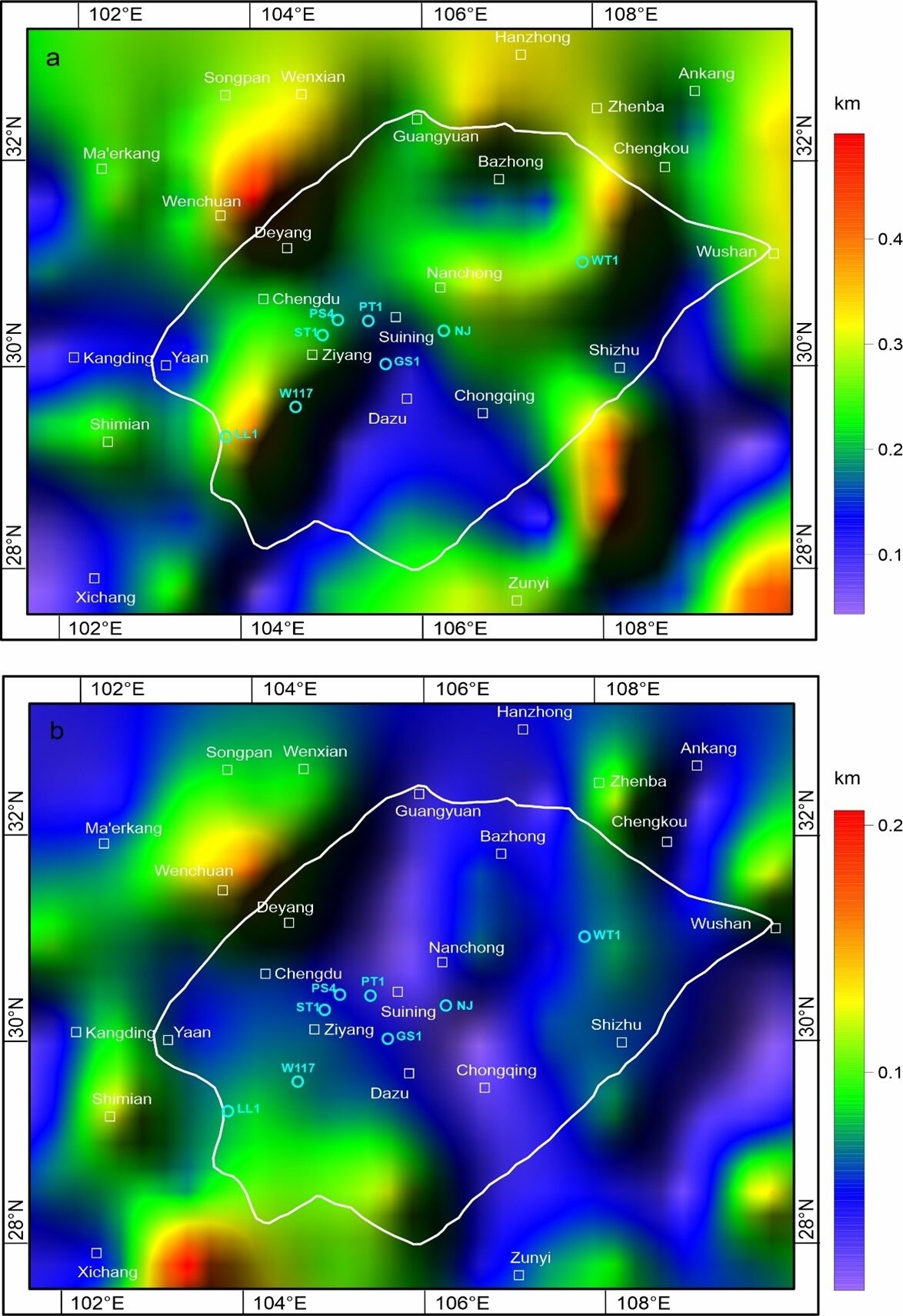
An Exceptionally Broad Volcanic Formation
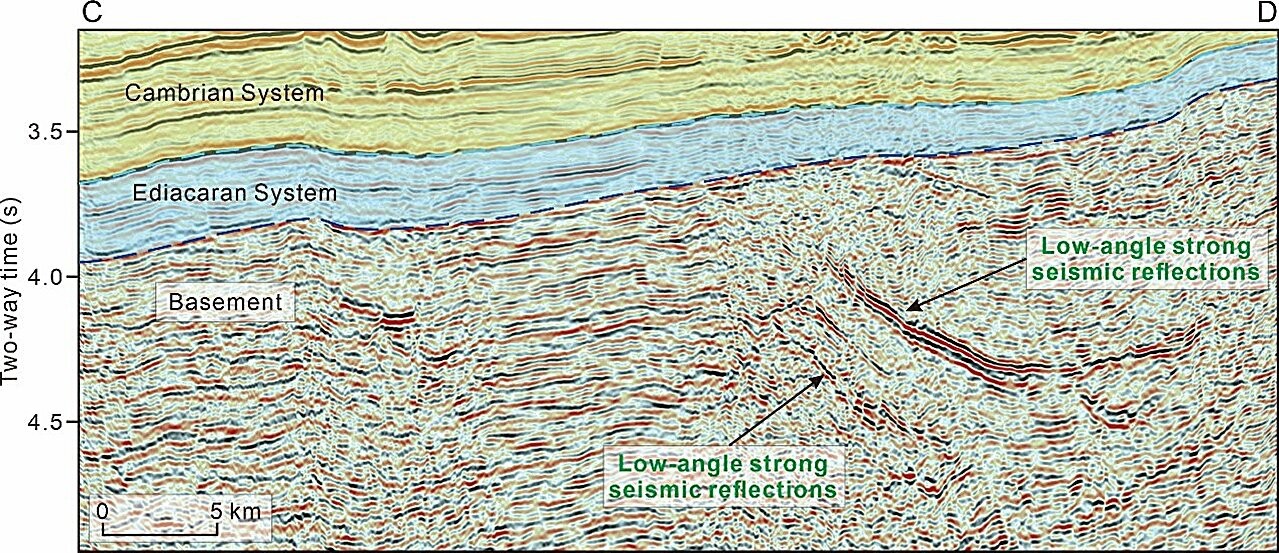
How did a volcanic arc develop so far from continental edges? Researchers propose that flat-slab subduction—where an oceanic plate slides beneath a continent at a shallow angle before descending deeper—may explain this phenomenon. This tectonic process can create two parallel volcanic belts: one near the plate boundary, and another situated farther inland.
The study draws parallels to present-day tectonics along South America's west coast, where the Nazca Plate is subducted beneath the continent, shaping the Andes Mountains. The ancient Chinese volcanic arc likely formed through a similar mechanism, but on a much older and now fossilized scale.
Nonetheless, some experts remain cautious. Peter Cawood, a geologist at Monash University, suggests the feature might actually be two separate volcanic systems formed contemporaneously and later joined. He emphasizes that the system could be composed of two distinct arcs aligned by chance, an important consideration in interpreting the data.
Ancient Volcanoes and Their Environmental Impact
This volcanic arc dates to a time marked by significant geological and environmental transformations, particularly shifts in the global carbon cycle between 720 million and 1 billion years ago. Volcanoes emit carbon dioxide, whereas mountain building and associated weathering processes draw CO2 out of the atmosphere—these dynamics are vital regulators of Earth's long-term climate.
It remains uncertain how this volcanic chain influenced the ancient climate, but its immense scale and timing are provoking new questions among scientists. Did it enhance atmospheric warming through volcanic emissions, or alternatively promote cooling by accelerating erosion of emerging mountain ranges? Regardless, this finding sheds new light on a deep-time period that has remained hidden for hundreds of millions of years.
- Categories:
- Science






0 comments
Sign in to Comment