
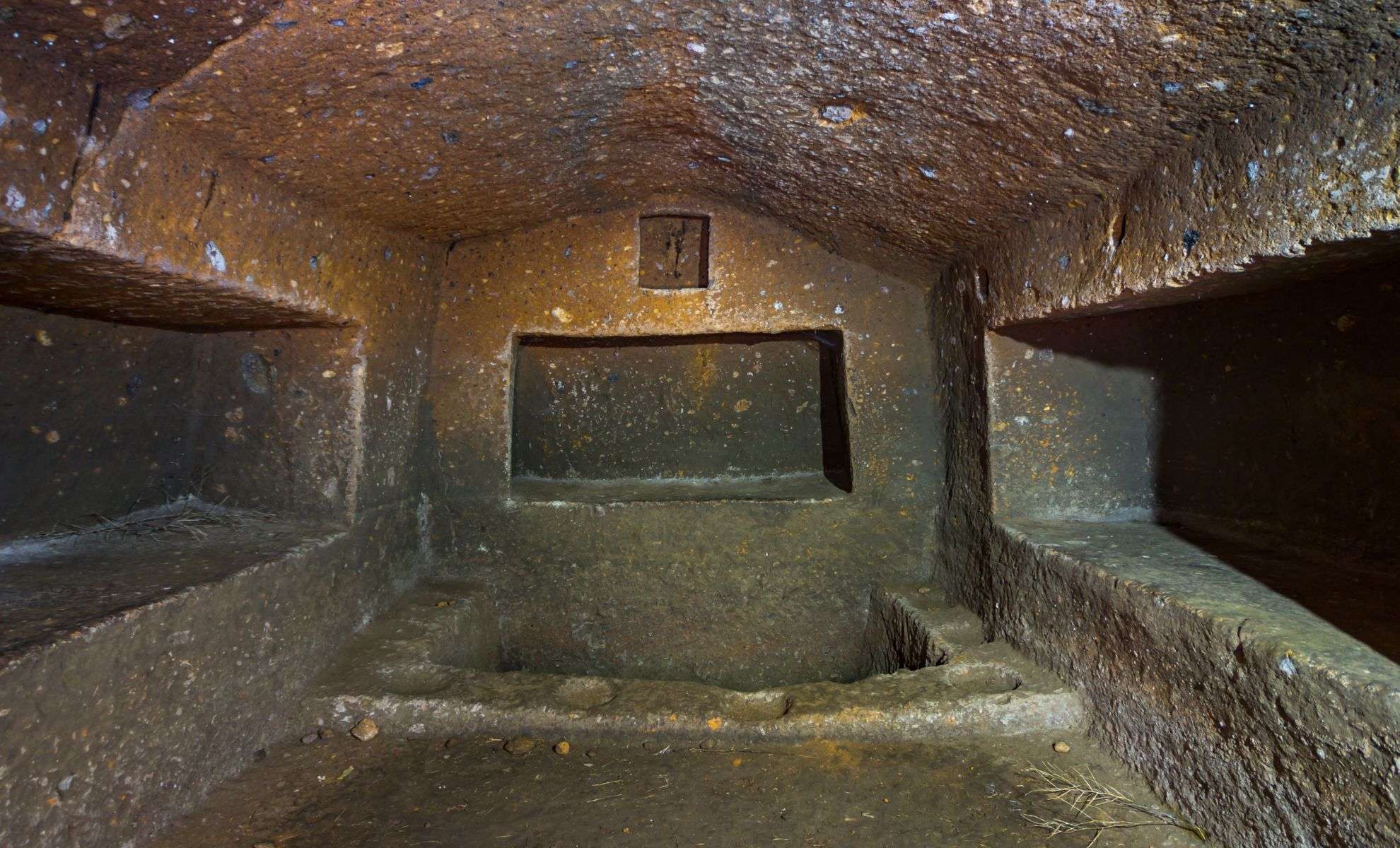
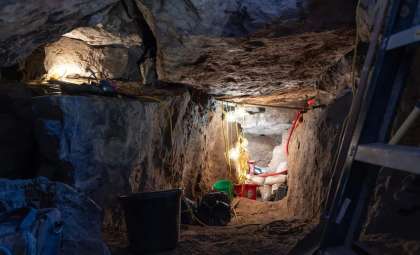
Archaeologists have unveiled a remarkably preserved Etruscan burial chamber from around 2,600 years ago in Umbria, Italy. The excavation, led by an international team under Baylor University, uncovered more than 100 artifacts that shed new light on the culture of this influential ancient Mediterranean society.
A Tomb Preserved Through the Ages
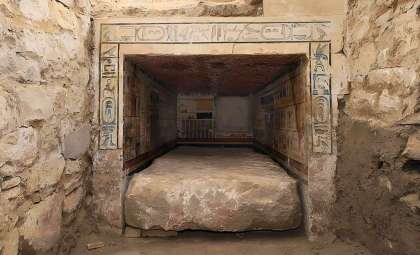
This site stands apart from many regional tombs that have been looted over the centuries because it remains fully sealed. The stone door that guarded the chamber is still unbroken, preserving its contents as they were over two millennia ago.
As principal investigator Davide Zori explained, “A burial chamber of this antiquity, untouched and excavated with modern methods, offers an unparalleled chance to explore the funerary customs and beliefs of this intriguing pre-Roman civilization.”

Experts describe the discovery as akin to unlocking a time capsule that reveals how the Etruscan people conducted their rituals and the types of objects they deemed essential for the afterlife journey.
The Etruscan civilization, thriving from the 9th to 1st century BCE, was absorbed by Rome but left an enduring impact on Roman architecture, religion, and political systems. Findings such as this fill vital gaps left by incomplete historical records and scattered ruins.
Insights Into Ancient Life and Beliefs
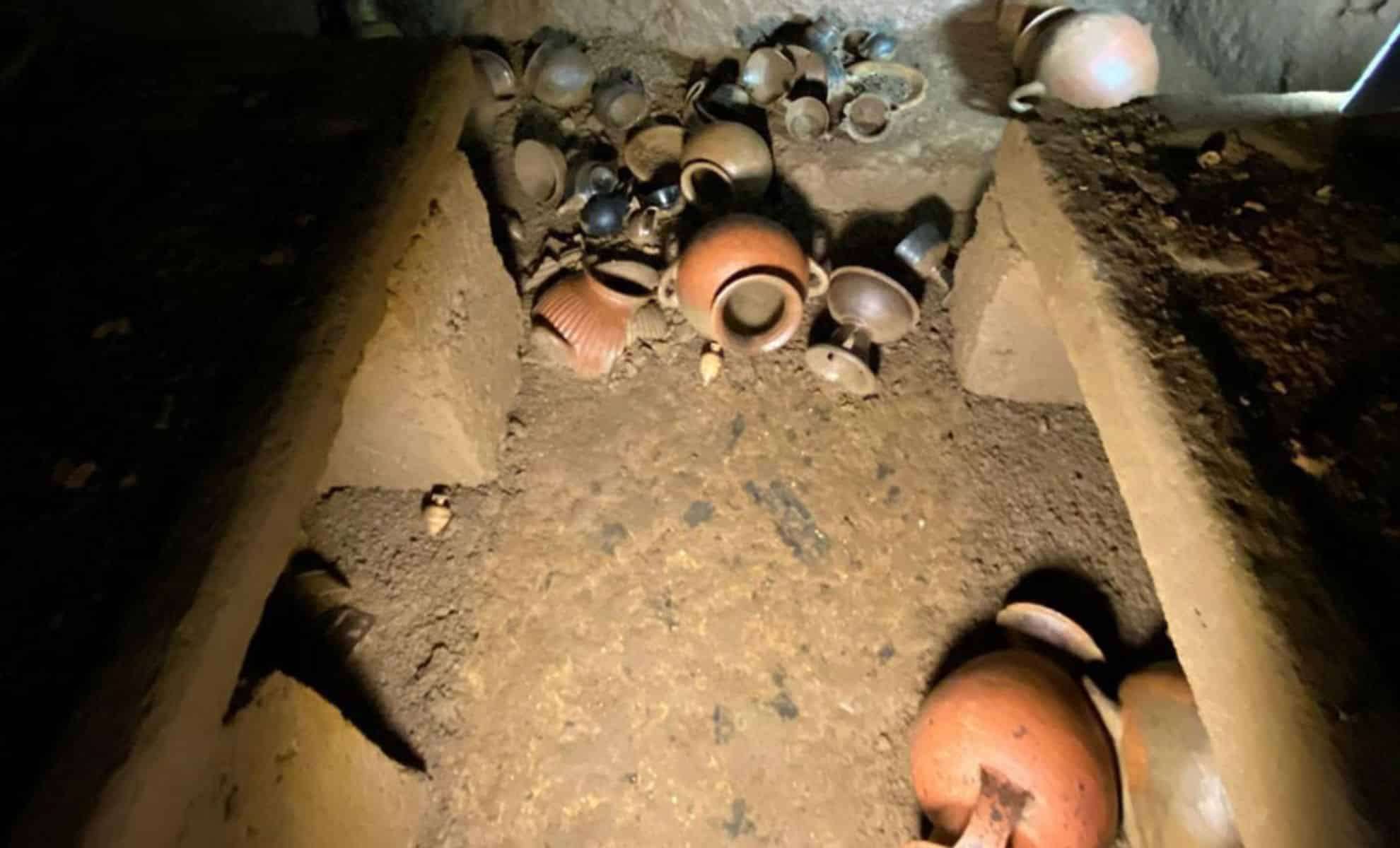
The interior held a treasure trove of over 100 artifacts, including bronze weaponry, painted ceramics, and a variety of finely crafted personal items. These ranged from items likely used daily to ritual objects intended to accompany the deceased in the afterlife.
The decorative styles on the pottery provide clues about the Etruscans’ extensive trade relationships and artistic expression. Meanwhile, the bronze weapons imply that the interred individual held significant status. Each piece offers valuable information about their identity, social rank, and cultural customs.
A Crucial Discovery for Archaeology
Intact Etruscan tombs are exceedingly rare due to historical looting, and most knowledge about the culture comes from fragmented remains. This undisturbed tomb allows scientists to analyze a full set of burial items in situ, greatly enhancing understanding of Etruscan society.
The sealed environment helped preserve delicate organic and fragile materials. Conservation specialists are meticulously working to study each artifact, a process expected to take years but poised to reveal new details about craftsmanship, commerce, and funerary rites.
Legacy of an Ancient Society
The Etruscans were among the most sophisticated peoples in pre-Roman Italy, known for their engineering achievements, artistic skills, and complex religious beliefs. Although much of their written language remains undeciphered, discoveries like this tomb provide important archaeological and historical context.
By analyzing the placement and symbolism of the artifacts, researchers aim to reconstruct not only the life story of the individual buried here but also better understand the broader civilization that played a key role in laying the foundations of Rome.
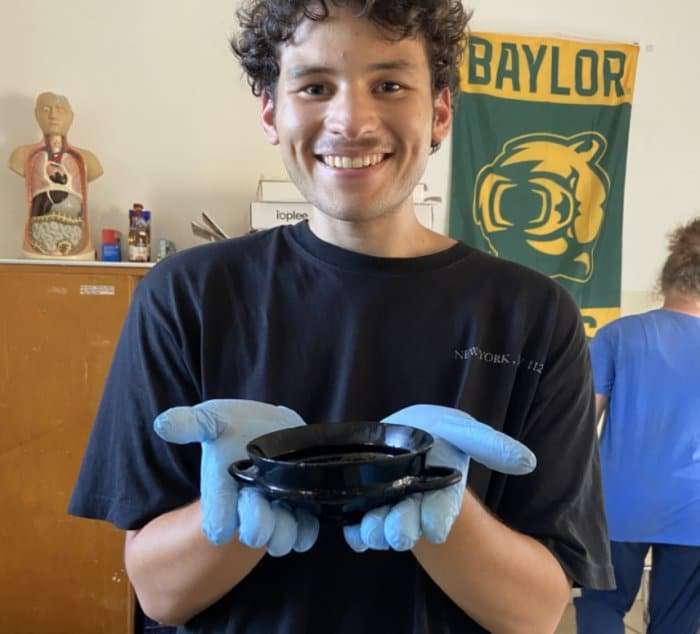
“While the San Giuliano Archaeological Research Project (SGARP) has wrapped up excavation, the in-depth study and analysis of the artifacts from this extraordinary discovery are only just beginning,” stated Zori.
- Categories:
- News






0 comments
Sign in to Comment