
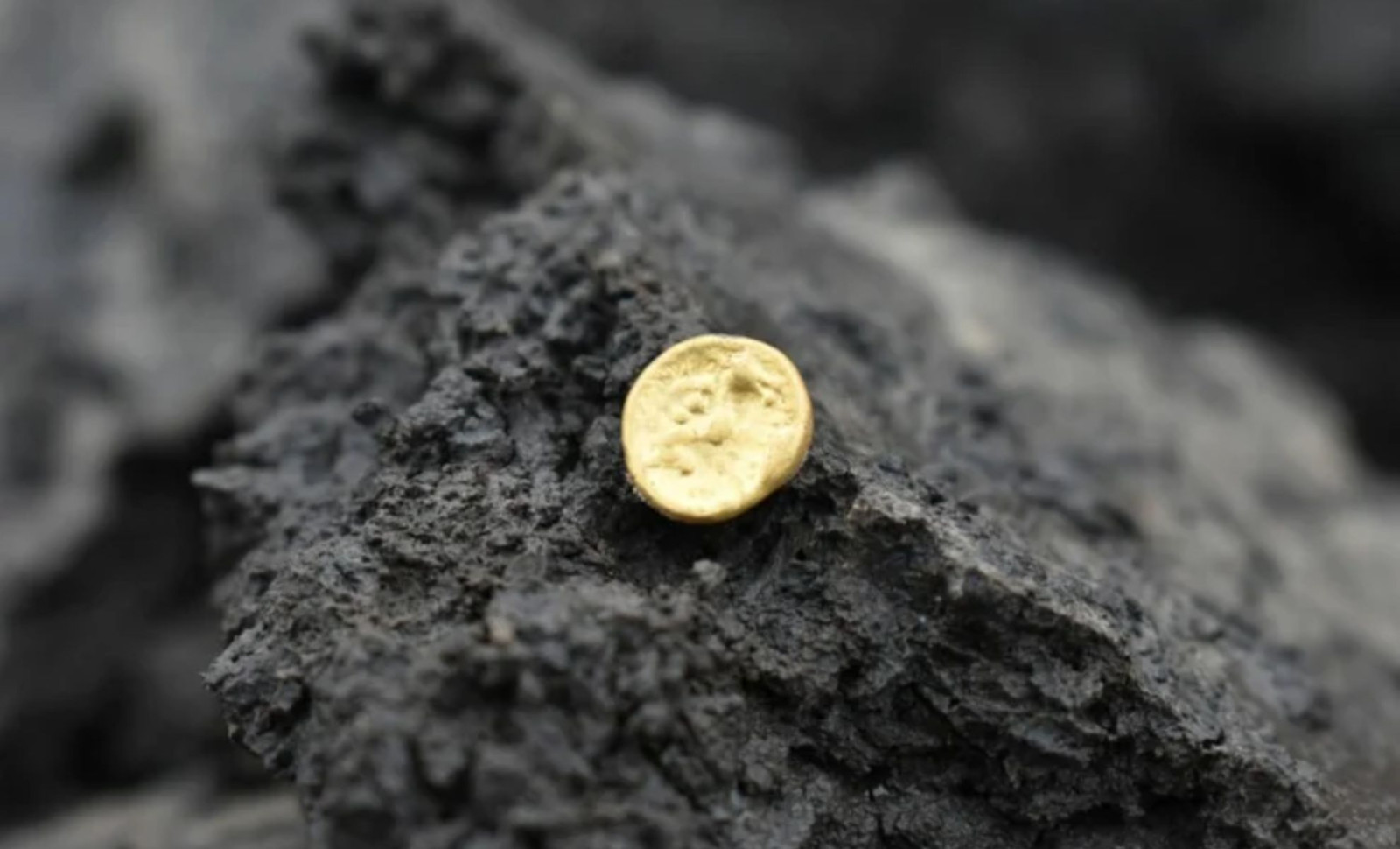
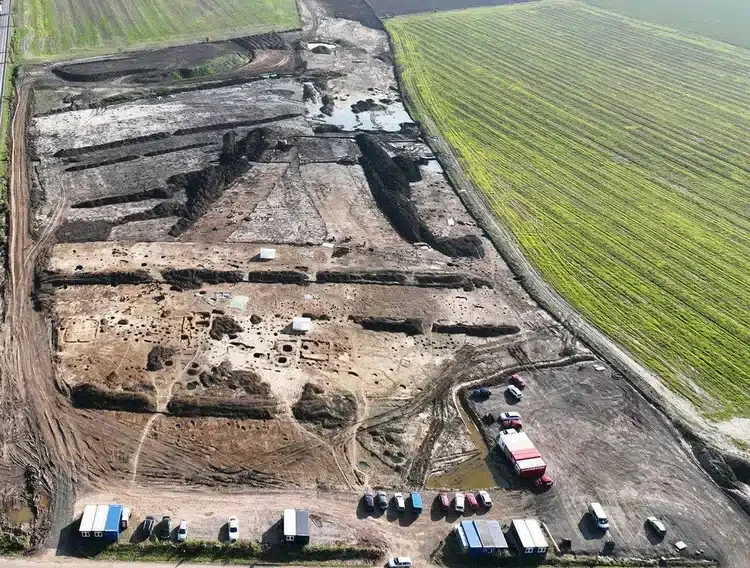
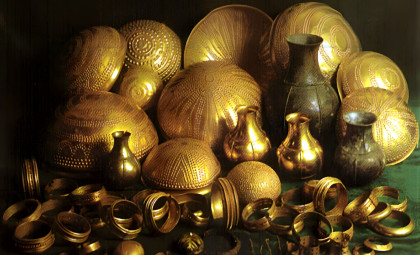
During preparations for a major highway project, archaeologists discovered a remarkable archaeological site brimming with ancient valuables. The area yielded hundreds of gold and silver coins, ornate jewelry, and exquisite pottery pieces. Spanning 62 acres—equivalent to roughly 4,500 parking spaces—the site offers insights into an important historical settlement.
The wealth of artifacts indicates this location was a vital trade hub, shedding light on how the Celts engaged with other parts of Europe more than two thousand years ago.
A Significant Find in Bohemia
The 2,200-year-old archaeological site near Hradec Králové in the Czech Republic’s Bohemia region ranks among the largest Celtic discoveries in the area. Tomáš Mangel, archaeology professor at the University of Hradec Králové, remarked:

“The entire site is unparalleled in its scale and character in Bohemia,” he said in translated statement. “The settlement was a supra-regional trade and production center connected to long-distance trade routes, as evidenced by the finds of amber, gold and silver coins, and evidence of the production of luxury ceramics.”
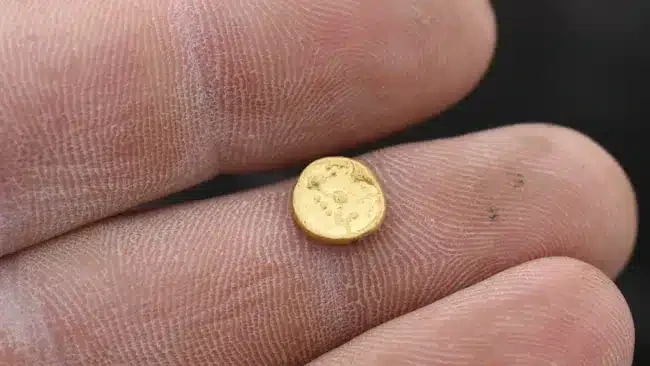
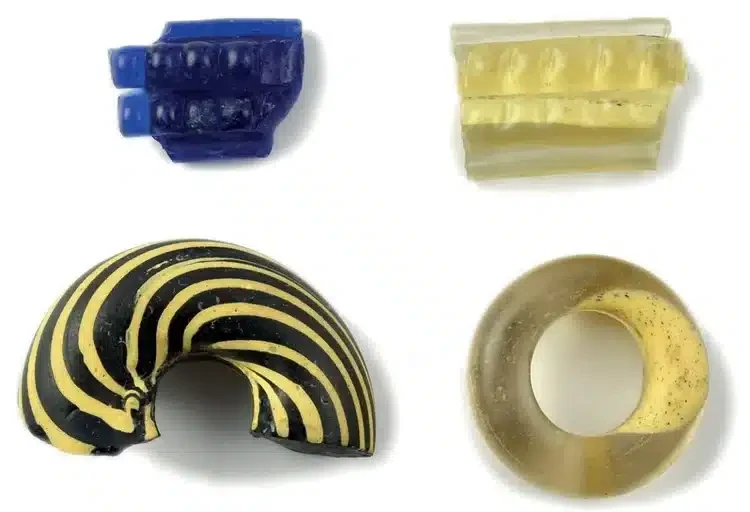
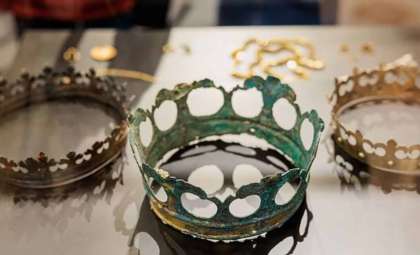
Among the discoveries are gold and silver coins and an impressive collection of more than 1,000 jewelry pieces, including brooches, armlets, belt ornaments, and glass beads.
"Initial excavation exposed artifacts that signaled an extraordinary find," explained Matouš Holas, lead archaeologist, as cited by the Czech Center Museum Houston. “Without the highway’s construction, this settlement might have remained undiscovered.”
Notably, the site lacks fortifications, implying the inhabitants prioritized commerce rather than defense mechanisms.
The Impact of Celtic Civilization in Europe
This settlement belongs to the La Tène culture period, dating from approximately 450 to 40 B.C. The era is distinguished by Celtic artistry, including sophisticated metalworking, ceramics, and human-inspired artwork. Mangel noted:
“Bohemia is traditionally really connected with [the] Boii. But the research [done recently] shows that we can only say that [the] Boii were settled somewhere in Central Europe.”
Although the Boii tribe has been historically linked to this region, no definitive archaeological evidence confirms their residence at this specific site. Mangel emphasized that these associations are primarily historical suppositions rather than definitive archaeological facts. Inscriptions or other identifying markers that would clarify which Celtic group occupied the location have yet to be found.
Trade Along the Ancient Amber Route
The settlement is situated on what is thought to be the “amber route corridor,” a vital trade network connecting the Baltic and North Seas to Central Europe. Amber, prized in antiquity, was transported over great distances. The discovery of amber beads and fine ceramics supports this site’s role as a significant stop on this commercial pathway.
Maciej Karwowski, archaeologist from the University of Vienna, pointed out that the luxurious artifacts, including amber, found here align with similar finds along the amber trade roads. This suggests the inhabitants were key players in both production and extensive European trade networks.
As excavations progress, researchers expect to uncover further details about the daily life and economic activities of this prominent Celtic community from over two millennia ago.
- Categories:
- News






0 comments
Sign in to Comment