

What appeared to be an ordinary aluminum container lodged in a stone wall revealed a remarkable stash of nearly 600 gold coins and other valuable artifacts, estimated together at more than $330,000. This extraordinary find was made by two hikers exploring the Krkonoše Mountains.
Specialists from the Museum of Eastern Bohemia authenticated the discovery, recognizing its rare and diverse composition that spans multiple historic origins.
From a Modest Can to an Incredible Treasure
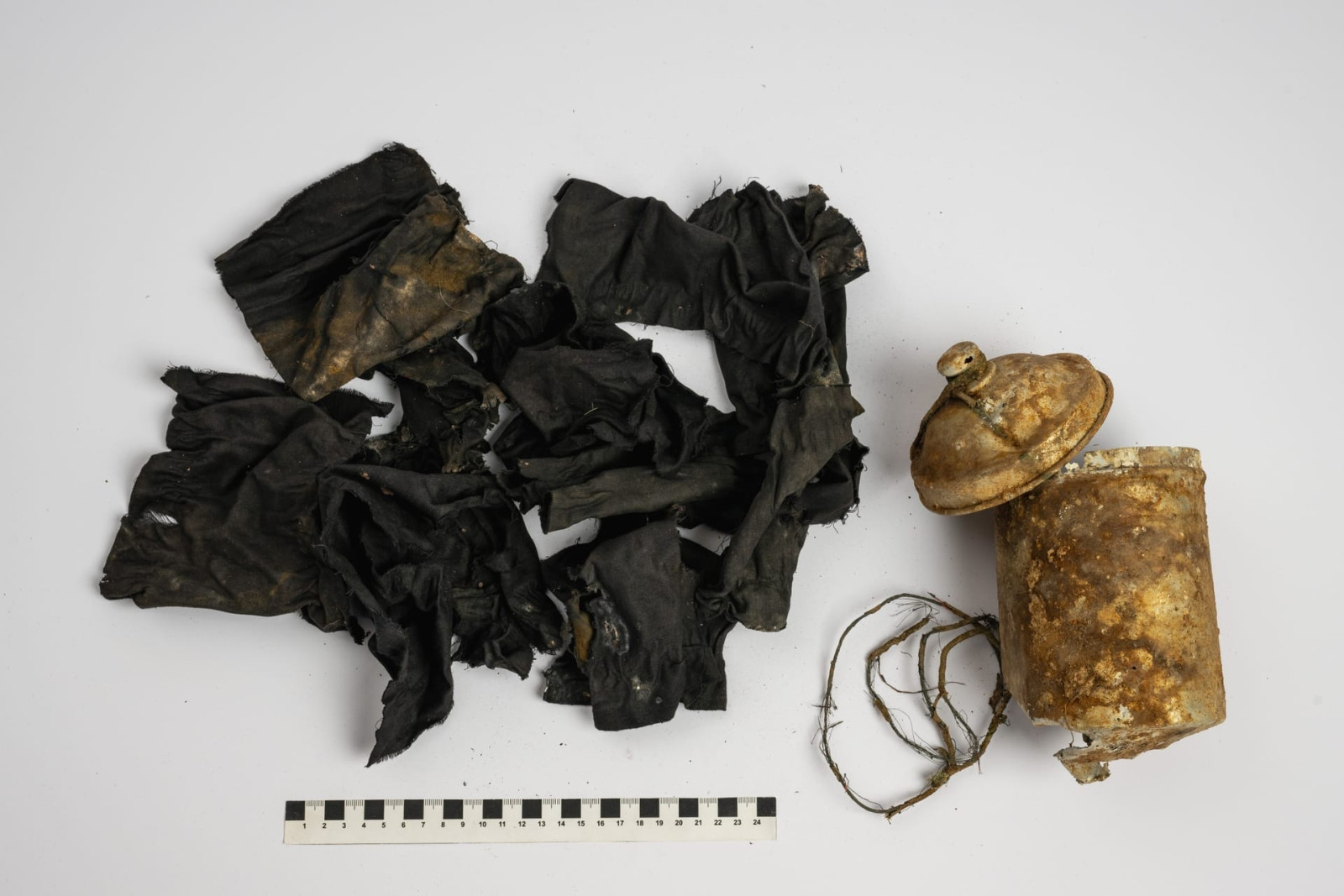
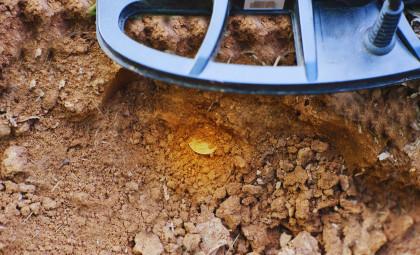
The discovery began when the hikers noticed an aluminum container peeking out from a stone wall. Inside, they uncovered 598 gold coins, carefully bundled into eleven stacks and wrapped in dark cloth. According to a report shared by the Museum of Eastern Bohemia, the surprises continued nearby.

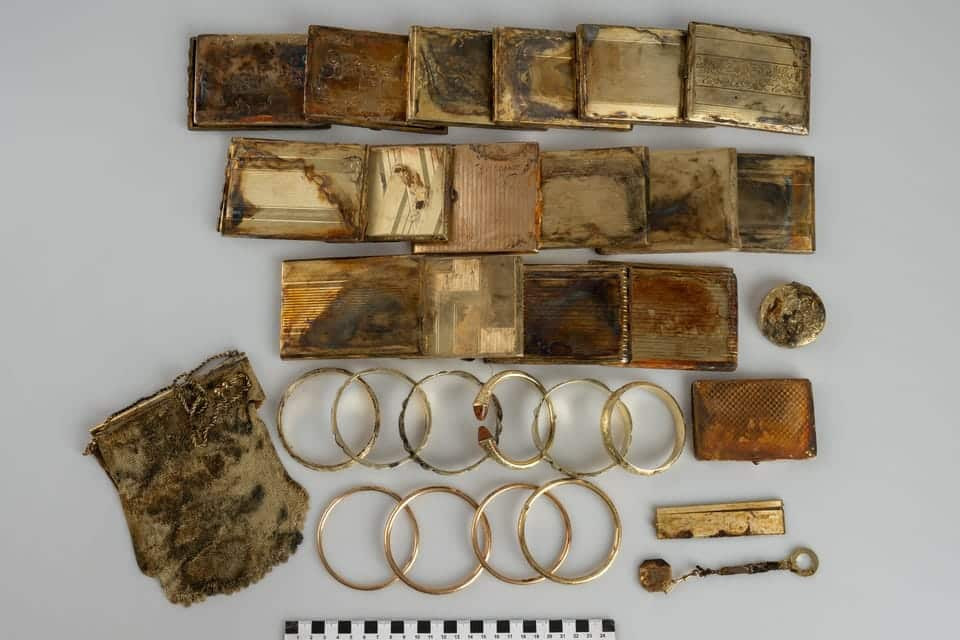
Close to the can, the hikers unearthed a second container—a sturdy iron box housing a collection of gold objects: 16 cigarette cases, 10 bracelets, a silver mesh purse, a comb, and a key attached to a chain. The total weight of these items reached roughly 15 pounds. The finders willingly surrendered the entire trove to the museum for further study.
Coins Represent a Cross-Continental Collection
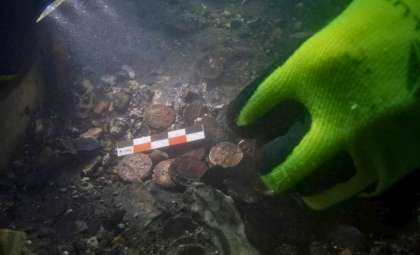
Upon examination, experts dated the coins between 1808 and 1915. The assortment includes coins originating from countries like France, Austria-Hungary, Russia, Italy, Romania, Belgium, and Turkey, reflecting a remarkable geographical diversity.
Some coins from Austria-Hungary correspond to currency systems still circulating into the 1930s. As highlighted by Arkeo News, this varied provenance suggests the collection was gradually amassed over a long period, rather than deposited all at once.
Possible Reasons Behind the Burial
The motive for hiding such a treasure remains uncertain, though researchers have suggested plausible explanations. According to Miroslav Novak of the museum, valuables were often buried during times of political or social upheaval, intended for safekeeping until it was safe to reclaim them.
“The list of potential reasons for which it was likely buried is fairly clear. It was the beginning of the war, the deportation of the Czech and Jewish populations, then the deportation of the Germans after the war, so there are several possibilities. There was also a monetary reform, which could have also been a reason.”
Another perspective came from the museum’s coin specialist, Vojtěch Brádle, who noted:
“It was clearly not about the nominal value of the coins, whether they were worth 5, 10, or 100 crowns. It’s not about what the coins could buy, that’s not what mattered. It was deliberately hidden because it was precious metal.”
The identity of the original owner remains a mystery. The collection is slated for public exhibition, while the hikers will receive a 10 percent reward for their honesty in turning over the cache.
- Categories:
- News



0 comments
Sign in to Comment