
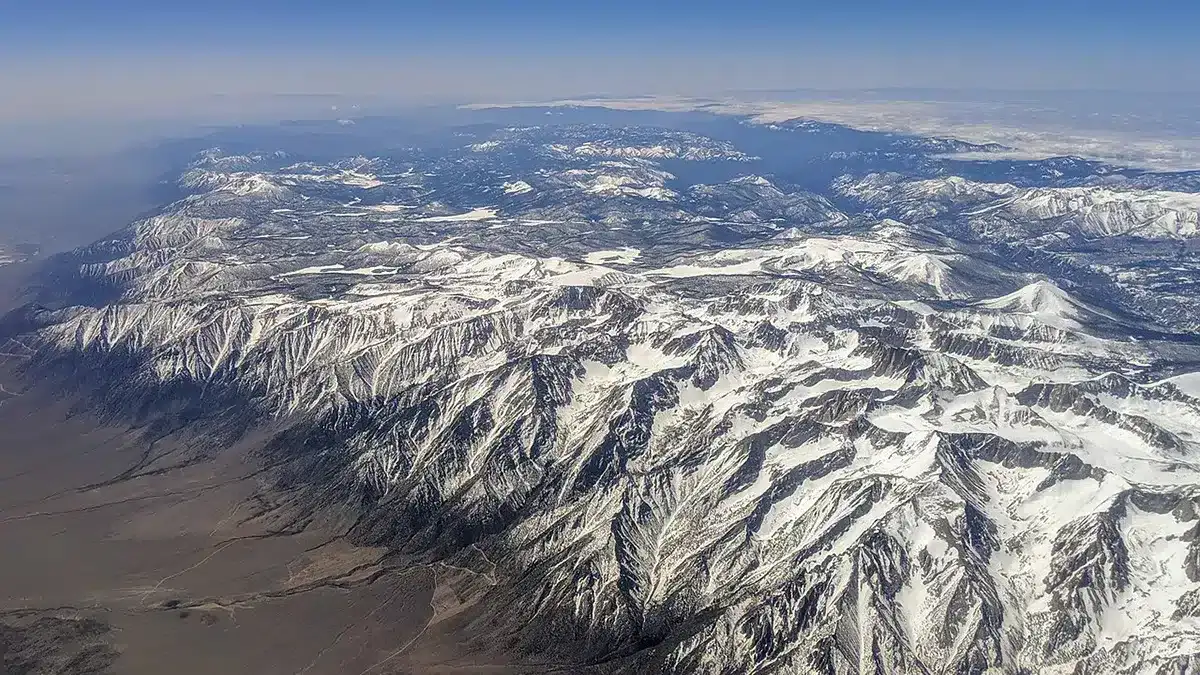
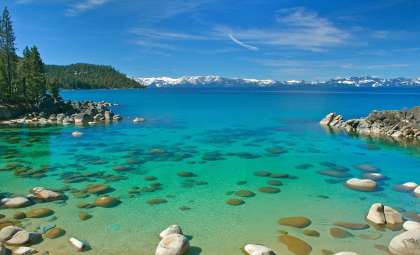
Hidden beneath the stunning Sierra Nevada mountains in California lies a discovery that could redefine how we understand Earth's geological activity. New studies indicate that the planet’s crust might be gradually detaching beneath this range, a process known as delamination. This phenomenon sheds light on the intricate interplay between the Earth’s crust and its underlying mantle and the forces sculpting our continents.
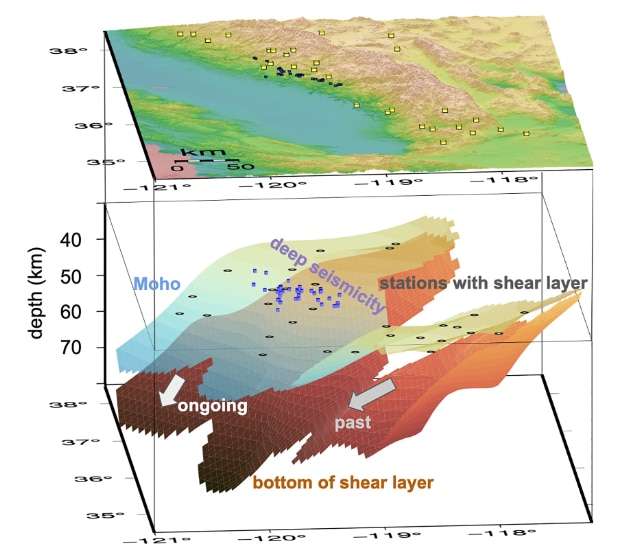
By analyzing seismic data spanning more than four decades, scientists have traced the motion of subterranean layers. Their research uncovers an extensive shear zone where dense, igneous crustal sections in California seem to be breaking away and descending into the mantle. This gradual “peeling” that unfolds over millions of years provides fresh insights into the dynamic forces constantly molding the planet beneath us.
Understanding Delamination
Delamination occurs when heavy portions of the Earth’s crust separate and submerge into the mantle. This process often takes place in regions where crust composed of mineral-rich rocks such as basalt and iron encounters tectonic stress and intense heat. Over extended periods, these denser segments detach, essentially “peeling” off from the layers above.

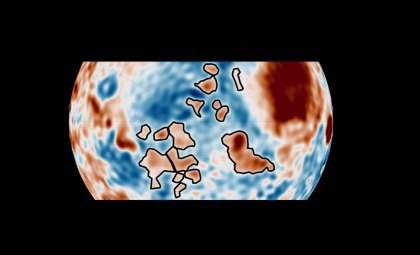
In the Sierra Nevada, seismic data reveals that the crust’s base may be slowly disengaging, influenced by forces moving west and southwest. Researchers identified a prominent shear zone close to the mantle boundary, offering compelling proof that delamination is underway.
The Mechanics Behind Delamination
Insights Into Earth’s Past
The crustal “peeling” in California not only illuminates current geological activity but also provides a window into Earth’s evolutionary timeline. According to the research team, “The sense of shear is consistent with west-to-southwestward removal of lithosphere,” highlighting that this phenomenon has been ongoing for millions of years.
This detachment of layers reshapes the surface landscape, potentially explaining the Sierra Nevada’s high peaks and deep valleys. Understanding this process also enhances knowledge about continental formation and the complex interactions between the Earth’s crustal layers over vast geological periods.
Seismic Evidence
The study utilized seismic wave analysis—vibrations generated by minor earth tremors—to probe beneath the Sierra Nevada. By examining wave patterns within the crust and mantle, researchers pinpointed zones where the crust thins and tears.
Seismic readings showed marked contrasts between the Sierra Nevada’s northern, central, and southern parts, with the most significant shear concentrations found in the south. These results support earlier hypotheses about California’s crust gradually peeling away but also offer the most convincing evidence to date of active delamination.
Broader Geological Relevance
Although this discovery focuses on California, delamination processes likely occur beneath other mountainous regions and continental areas around the world. Investigating the Sierra Nevada helps geologists gain a comprehensive understanding of how delamination impacts Earth’s surface evolution on a global level.
This mechanism could also influence seismic and volcanic activity, as sinking crustal fragments interact with mantle magma. These findings promise to refine tectonic models and improve scientists' forecasting of geological events and associated risks.
Earth’s Ever-Changing Nature
The revelation beneath California’s Sierra Nevada highlights the planet’s restless and evolving character. Despite the seemingly stable surface, powerful forces continuously modify the crust and mantle across millions of years.
The research emphasizes the profound links between Earth’s layers. Surface phenomena like mountain formation, basin subsidence, and continental development are deeply influenced by dynamic processes far beneath our feet. As investigations into these subterranean dynamics continue, our appreciation of Earth’s complex inner workings grows ever stronger.
This landmark study underscores the innovations in geophysical research and offers a novel perspective on our planet’s remarkable geological transformations.
- Categories:
- News






0 comments
Sign in to Comment