
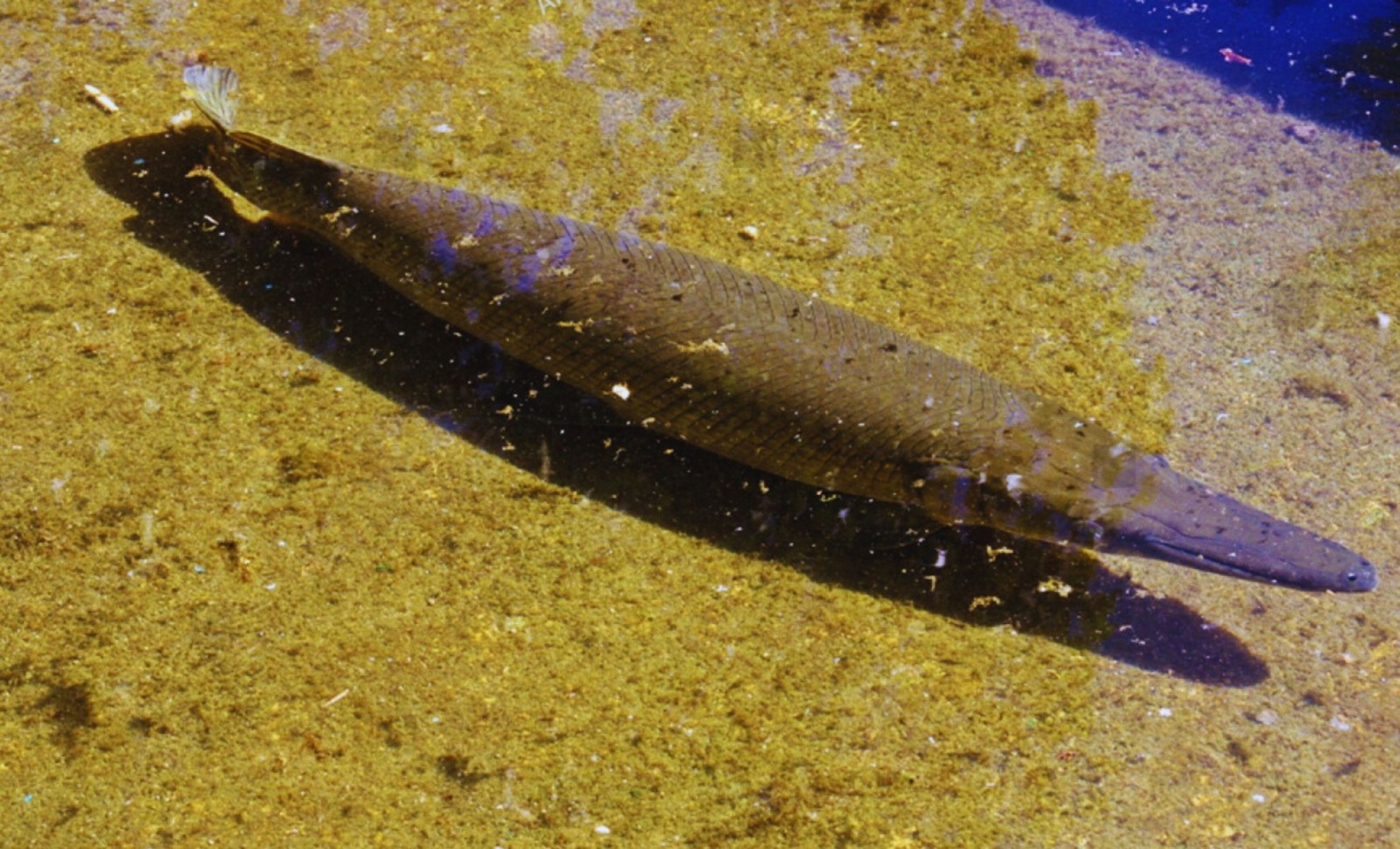
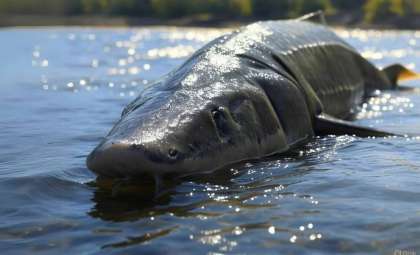
In Cuba, researchers are urgently striving to protect the manjuari, a rare fish species often called a “living fossil” due to its existence stretching back to the age of dinosaurs. After surviving for more than 150 million years, this remarkable fish now confronts serious threats from environmental degradation and climate change. Scientists warn that without immediate intervention, this ancient species could disappear permanently.
A recent Reuters report highlights how the manjuari, also known as the “Cuban sturgeon,” represents a vital, time-honored part of Cuba’s aquatic biodiversity. Despite its long history and ecological value, human impacts and shifting climate conditions have put the species in jeopardy. Researchers in Cuba are actively developing conservation plans to preserve this iconic fish, but the window for success is narrowing.
Preserving a 400-Million-Year-Old Fish on the Brink of Disappearance
This species traces its heritage back to the Jurassic period, making its survival crucial to the health of Cuba’s freshwater ecosystems. Biologist Andres Hurtado from Ciénaga de Zapata National Park describes the manjuari as a "treasure among Cuban aquatic life,” underscoring its essential role in sustaining its environment.

Nonetheless, habitat destruction due to pollution, deforestation, and excessive resource use has led to a drastic decline in the manjuari’s population. Hurtado stressed:
“They’re a biological relic that has lived 140 or 150 million years and only now is at critical risk of extinction.”
As reported by Reuters, ongoing climate shifts, including rising temperatures and deteriorating water quality, intensify the pressures on the manjuari. These combined challenges thrust the species ever closer to extinction. Immediate measures must be implemented to prevent losing the manjuari forever.
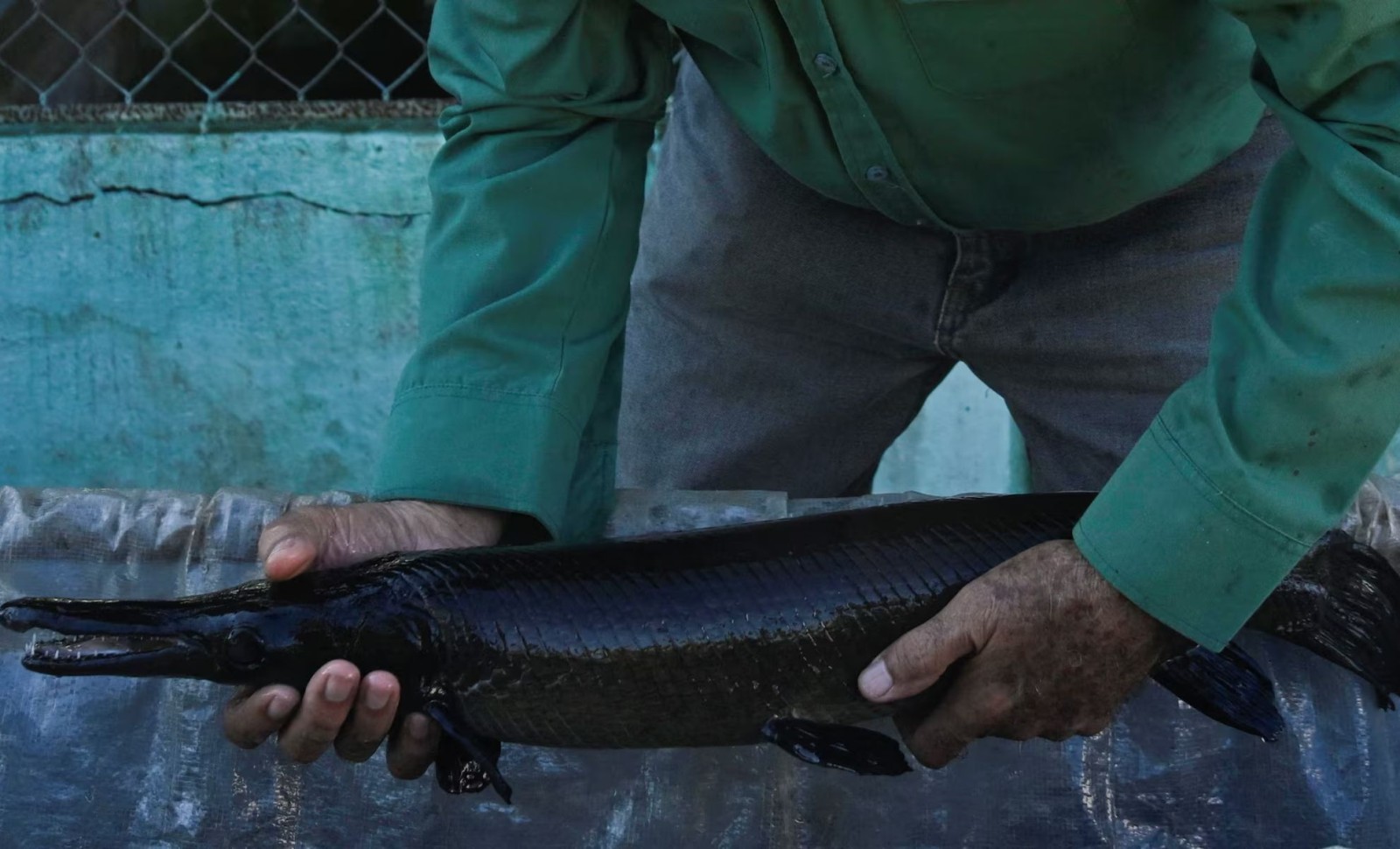
Conservation Efforts Gain Momentum to Rescue the Species
In response, Cuban scientists are intensifying conservation efforts. These include population monitoring, breeding programs in controlled environments, and restoring damaged habitats. Biologist Carlos Rodríguez emphasizes the urgency: “We are racing against time.”
Collaboration with local government and communities focuses on improving river water quality and enforcing stricter bans on illegal fishing practices that imperil the manjuari. Through these actions, researchers aim to establish safer conditions that will allow populations to recover and stabilize.
“The main challenge is to achieve survival. We have ideas of things that can be done to help the species, but we cannot say exactly what state it is in, where it is, or in what quantity,” explained Gabriela Ulmo-Díaz, of the Institute of Integrative Biology and Systems at Laval University in Québec.
Scientists remain hopeful that with community support and ongoing scientific work, the manjuari can be protected for future generations.
- Categories:
- Nature


0 comments
Sign in to Comment