
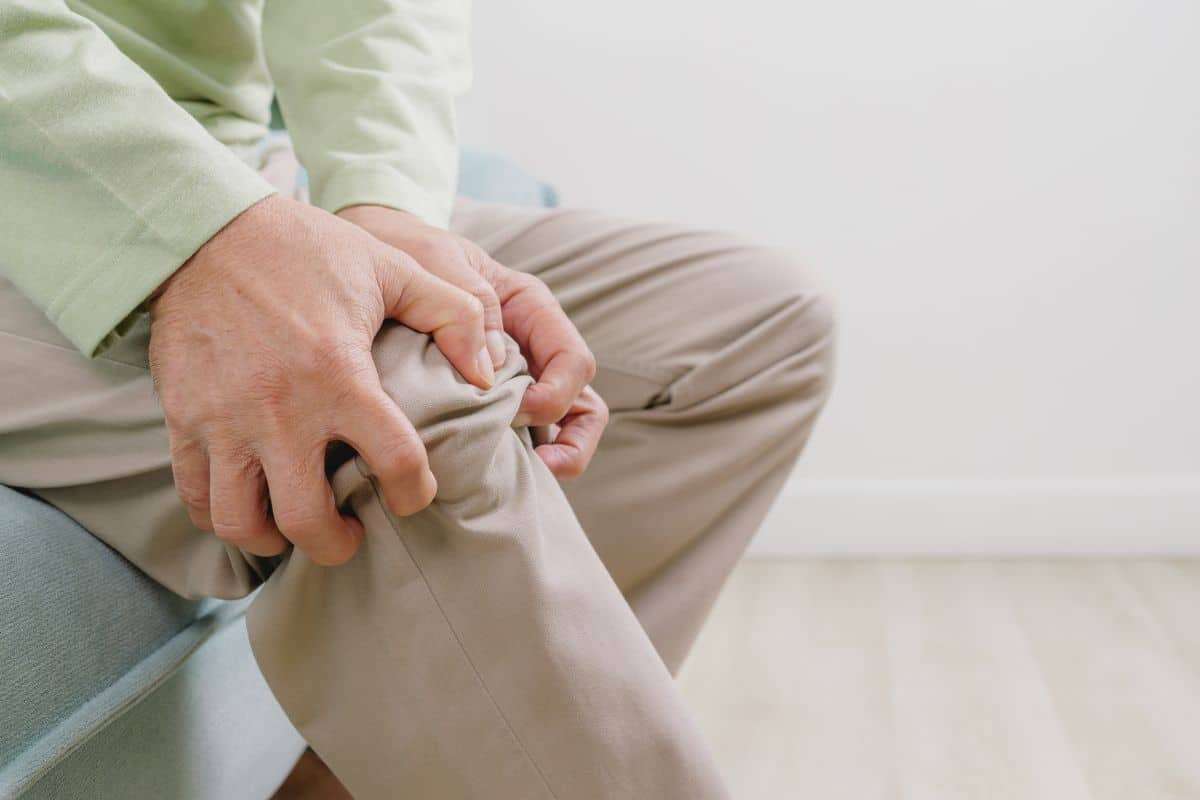
Recent guidance from the U.S. Preventive Services Task Force casts doubt on the effectiveness of vitamin D and calcium supplements in lowering the chance of falls and fractures among elderly individuals. Despite their popularity, experts now suggest that these supplements alone or combined are unlikely to substantially reduce such risks in older adults.
Updated Guidance from the USPSTF
Vitamin D and calcium have traditionally been linked to maintaining bone health, with vitamin D playing a vital role in calcium absorption, a critical element for keeping bones robust. It has been common for seniors at risk of bone ailments like osteoporosis to use these supplements aiming to lower their risk of fractures and falls.
The U.S. Preventive Services Task Force (USPSTF), a panel of medical specialists, has issued a preliminary recommendation that questions the protective value of vitamin D and calcium supplements for community-dwelling adults aged 60 and above.

After thorough evaluation of existing studies, the group determined with “moderate certainty” that these supplements have minimal to no impact on decreasing the probability of falls or fractures within this demographic. Notably, the guidance excludes individuals diagnosed with osteoporosis, vitamin D deficiency, or those prescribed these supplements for conditions other than fall prevention.
Why Fall Risk Grows With Age
Our bone density and resilience peak during young adulthood and gradually decline with age. Dr. Alex Jahangir, an orthopedic surgery professor, highlights that aging bones become more brittle and fragile. This makes even slight falls potentially injurious. Additionally, conditions affecting mobility such as arthritis and nerve disorders increase instability, amplifying fall risks.
Vision decline, common among seniors, can lead to missed steps or overlooked dangers in their surroundings. Furthermore, medications often taken to manage long-term illnesses may cause dizziness or balance impairments.
Recognizing Supplement Limits
While the USPSTF report indicates that vitamin D and calcium supplements might not shield older adults from falls or fractures, these nutrients remain essential for general wellbeing.
Those vulnerable to deficiencies—such as people with osteoporosis, malabsorption disorders, or limited exposure to sunlight—may still benefit from supplementation. Evidence shows that supplements are helpful for individuals suffering from vitamin D deficiency or insufficient calcium intake. For most healthy adults with adequate nutrient levels, supplement use offers little advantage for fall and fracture prevention.
Proven Methods to Reduce Falls and Fractures
Since supplements alone are not a dependable solution, medical professionals stress the value of active lifestyles and behavioral changes. Engaging in regular physical activities like walking enhances both muscle power and balance, which help prevent falls. Neurologist Dr. Clifford Segil encourages strength training exercises that promote stronger bones and muscles.
Balance-focused exercises such as tai chi, Pilates, and yoga have been shown to improve coordination and stability, significantly reducing fall risk in older adults.
Additional Fall Prevention Measures
Alongside exercise and medication, other strategies can further lower fall risk. These include scheduling frequent eye check-ups to correct vision issues, ensuring sufficient rest to prevent fatigue-related dizziness, organizing living spaces to remove tripping hazards, and utilizing mobility aids when needed to enhance safety.
Adopting a Comprehensive Approach to Fall Prevention
The USPSTF’s findings emphasize that preventing falls requires more than relying on supplements. A holistic strategy addressing physical health and environmental factors is essential.
As we grow older, maintaining health involves a combination of staying active, proper nutrition, and creating safe environments, which collectively offer the best defense against falls and fractures—helping seniors retain independence and wellbeing.
- Categories:
- Health










0 comments
Sign in to Comment