
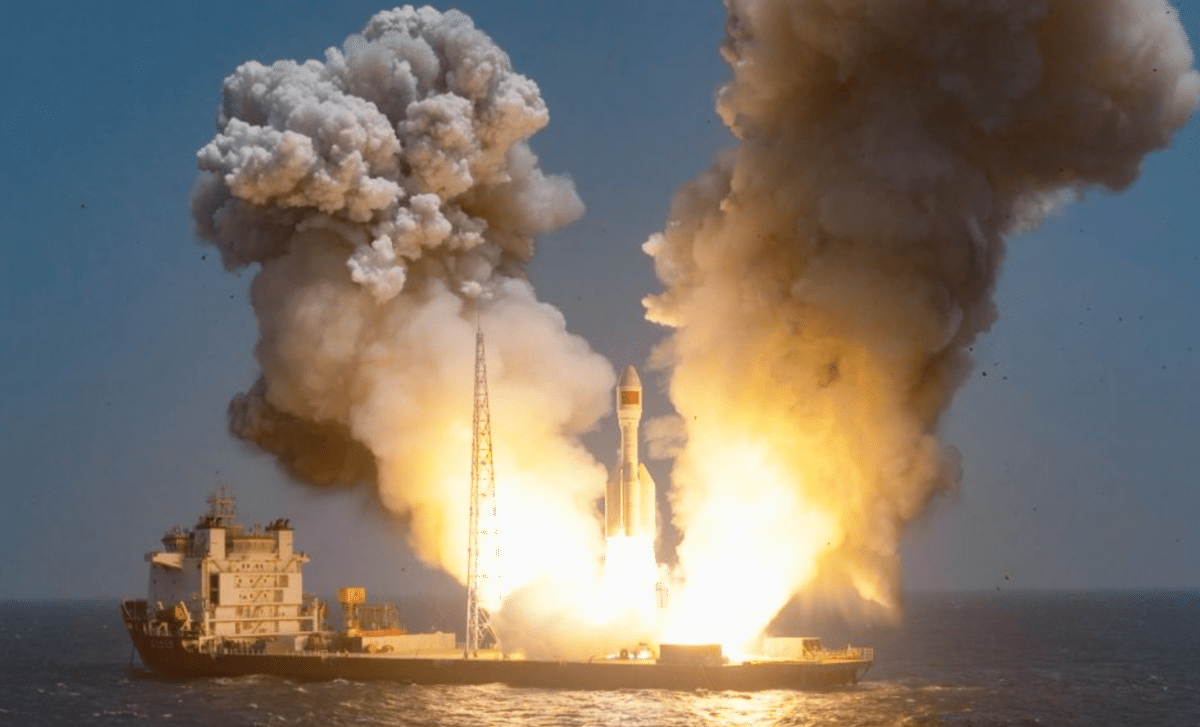
China has triumphantly sent nine satellites into orbit aboard its Gravity-1 rocket, launching from a marine platform near Shanghai, as reported by Xinhua. This event, which took place on July 22, 2026, marks a significant advance in China's commercial spaceflight endeavors by successfully deploying multiple payloads via an offshore launch.
Offshore Launch Broadens China’s Spaceflight Capabilities
The Gravity-1 rocket embarked on its recent test flight from waters offshore Shanghai, on China’s eastern seaboard. The launch, orchestrated by the Taiyuan Satellite Launch Center, occurred at 10:54 a.m. Beijing Time, showcasing sea-based launch capabilities alongside traditional terrestrial options.
Using a maritime launch site provides operational flexibility, allowing for customized launch trajectories that avoid crowded areas and offering diverse geographical sites for mission planning. This method demonstrated China's expanding proficiency in delivering satellites to orbit by sea, complementing land-based infrastructure.

The flight transported nine satellites, each successfully placed in predetermined orbits. It highlights China's growing commercial space ambitions and enhances accessibility for satellite operators worldwide.
This launch underscores the emergence of a new generation of rockets tailored for versatile mission requirements. As worldwide satellite networks multiply, providers are pushing to develop launch vehicles capable of meeting heightened demands for orbital transportation.
The Gravity-1 rocket exemplifies this shift, reflecting the industry trend toward more adaptable and cost-effective methods of deploying payloads into space.
Gravity-1’s Latest Flight Validates Its Commercial Viability
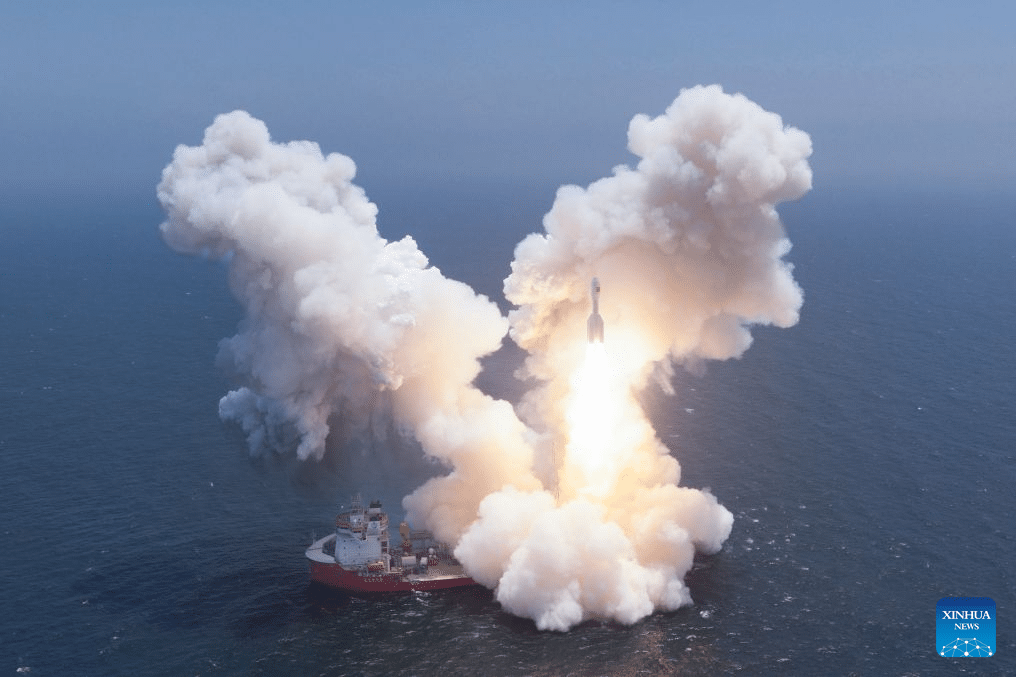
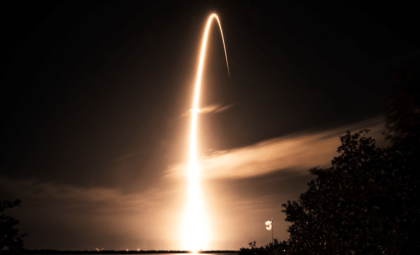
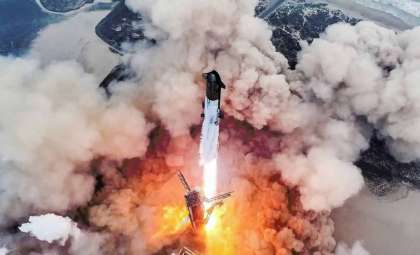
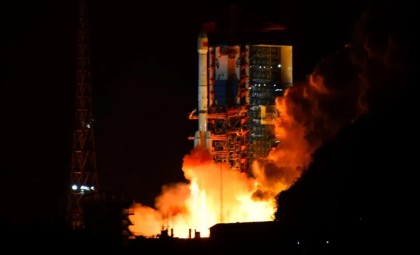
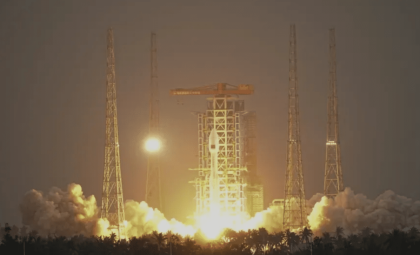
According to Xinhua, the launch was deemed a full success as it precisely positioned nine satellites into their designated orbital slots. Visuals captured during the mission showed the Gravity-1 rocket ascending from its offshore launch pad near Shanghai on July 22.
This mission builds on the vehicle's inaugural flight in January 2024, marking a progression in operational experiences for the commercial launch system.
The capability to deploy multiple satellites simultaneously addresses a growing need for efficient access to orbit. Multi-payload launches optimize launch schedules and reduce costs by consolidating small satellites into a single mission.
Xinhua identified this flight as a critical evaluation of the commercial rocket’s operational performance, offering valuable insights for ongoing enhancements.
As satellite use expands across telecommunications, Earth monitoring, scientific exploration, and beyond, dependable launch options remain crucial to the space industry’s advancement.
Gravity-1 Strengthens China’s Position in the Commercial Launch Market
The launch of Gravity-1 occurs amid a rapidly evolving commercial launch sector. Globally, companies are developing rockets designed to meet surging satellite deployment needs.
Vehicles capable of supporting multiple payloads in a single flight provide flexibility to customers and boost cost efficiency, a strategy increasingly adopted as satellite constellations expand.
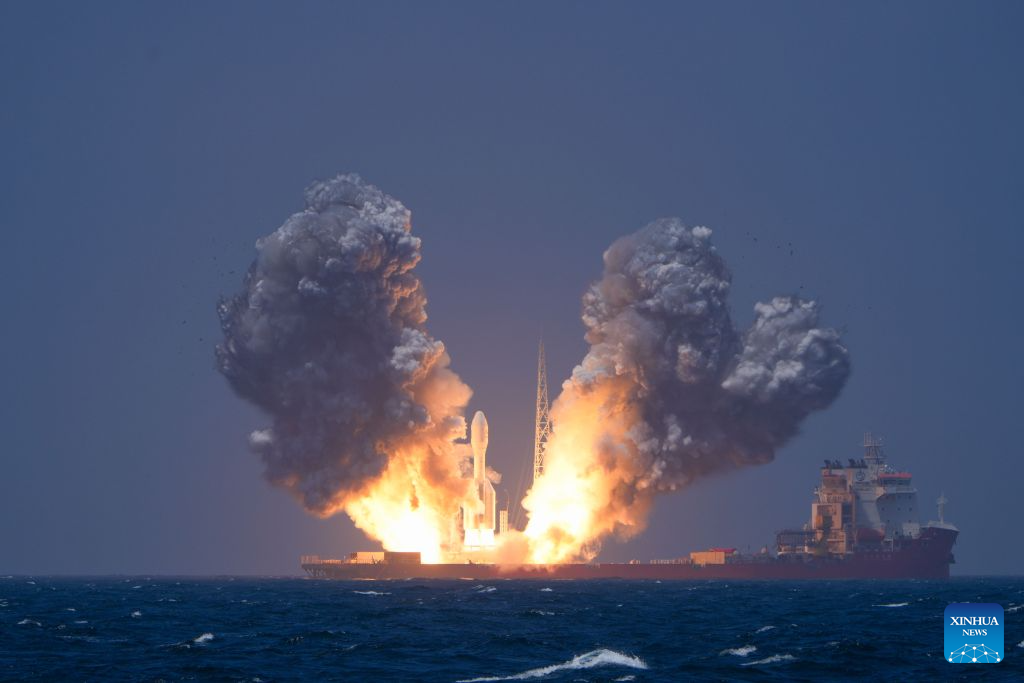
The sea launch near Shanghai introduces an additional layer to China's launch infrastructure, enabling more versatile mission profiles and future commercial orbital deliveries.
Beyond technology, each flight supplies operational experience to teams refining the rocket’s reliability and mission management strategies.
In a competitive global market, systems like Gravity-1 are poised to deliver the speed, adaptability, and capacity demanded by modern satellite deployment campaigns.
China Advances Its Space ambitions with Groundbreaking Offshore Launch
By successfully orbiting nine satellites, the Gravity-1 rocket reinforces China’s ongoing commitment to expanding its commercial space portfolio. Investments in launch technology, satellite design, and space infrastructure continue to propel the nation forward.
The July 22 offshore launch illustrates how combining maritime and traditional methods enhances overall launch access strategies.
This flight also emphasizes the shift toward greater involvement of private and commercial entities alongside state-led programs, reflecting a global space industry landscape in transition.
The Taiyuan Satellite Launch Center and associated teams showcased their expertise in managing complex multi-satellite deployments, adding a significant accomplishment to China’s expanding collection of space operations.
The latest Gravity-1 mission exemplifies the ongoing evolution of commercial space transportation, signaling how countries and companies are adapting to the growing importance of reliable orbital access in technological competition.
- Categories:
- Space








0 comments
Sign in to Comment