
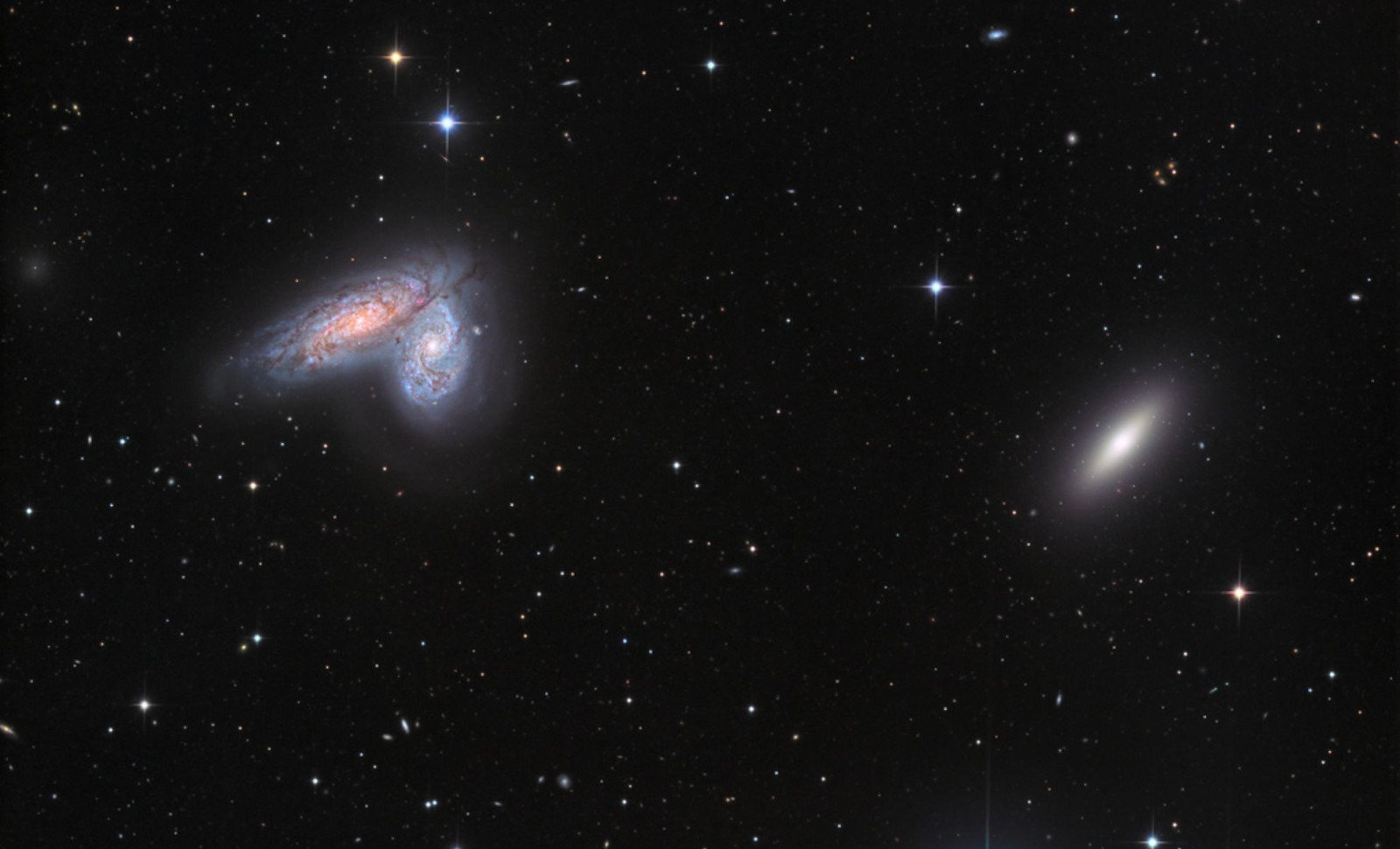
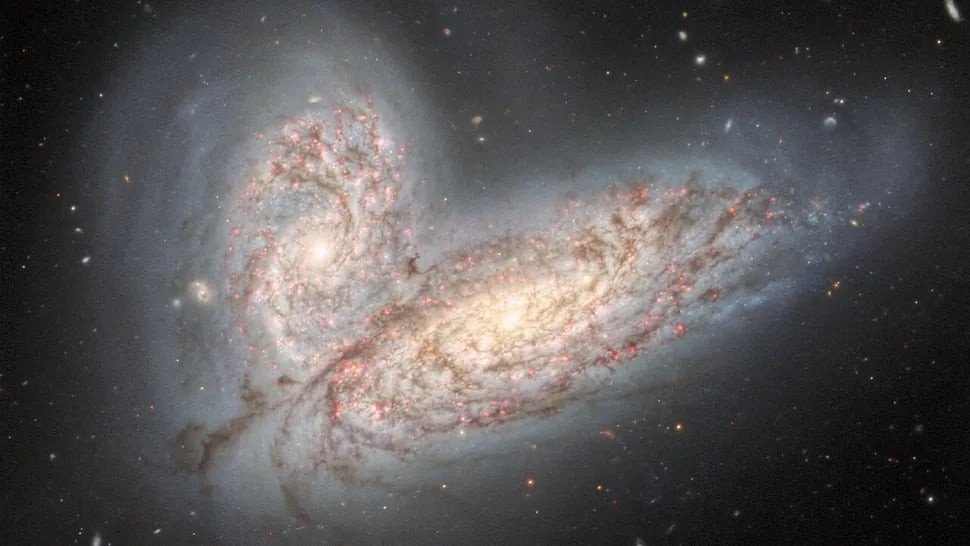
Using the Gemini North telescope, astronomers have captured a striking view of two spiral galaxies in the initial phases of colliding and merging. This observation highlights the interacting pair known as the Butterfly galaxies, identified as NGC 4568 and NGC 4567, situated approximately 60 million light-years away from our planet.
Positioned within the Virgo Cluster, the gravitational forces between these twin galaxies are gradually altering their forms. This slow-motion collision gives researchers a valuable chance to observe the evolution of galaxies as they transition from distinct spirals into a newly formed galactic structure.
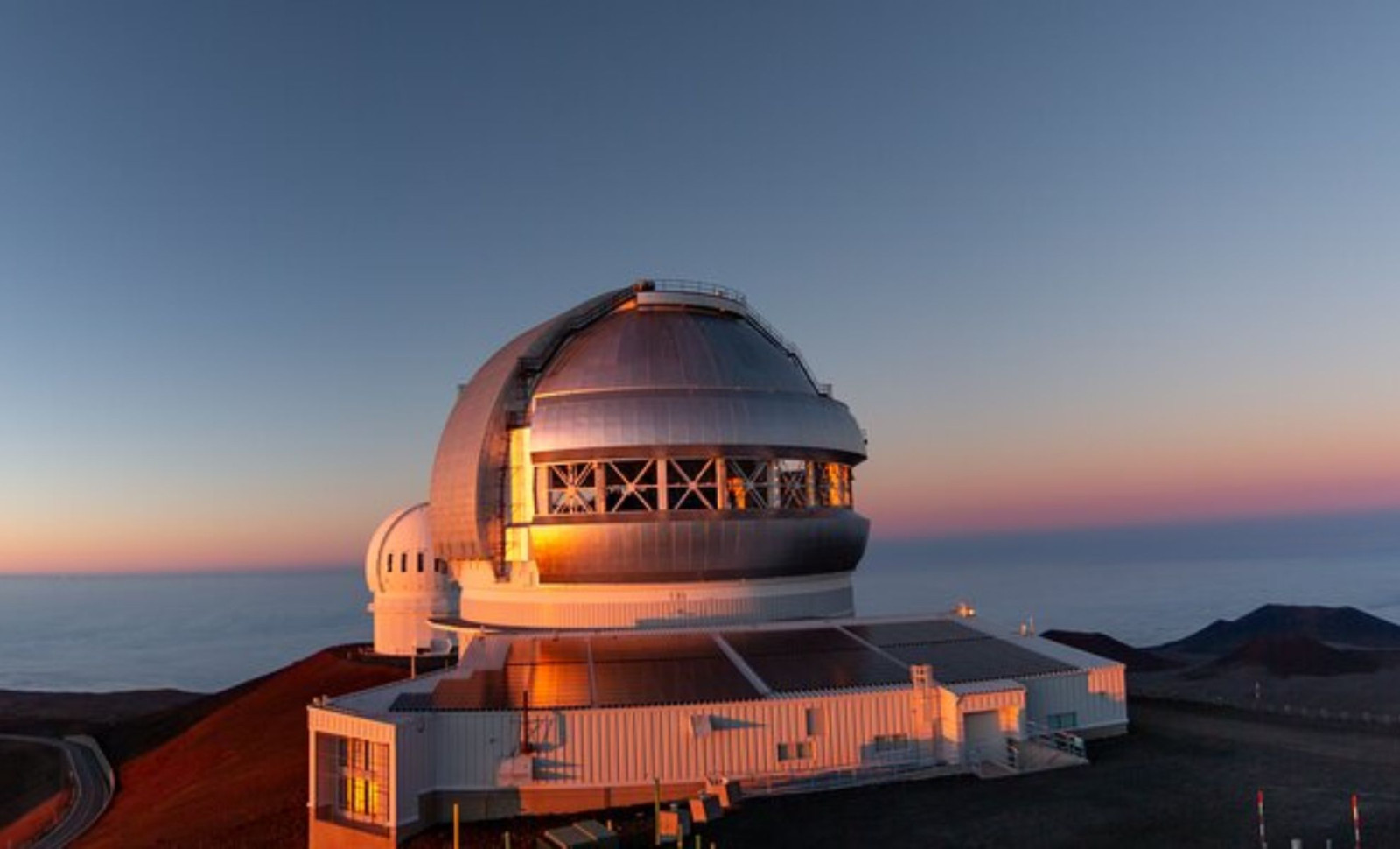
The imagery was generated from data gathered in 2020 by the Hawaiian-based telescope. The observatory operated by NOIRLab notes that the intertwined gravitational relationship will ultimately reshape these spirals into a unified elliptical galaxy.

This observed merger offers a preview of the cosmic event expected when our Milky Way collides with the Andromeda galaxy in roughly five billion years, an encounter that will similarly change their galactic shapes.
Diving Into The Early Steps Of Galaxy Mergers
The latest visuals show NGC 4568 and NGC 4567 retaining their spiral arm formations, though the influence of their mutual gravitational pull has already begun warping these patterns. While still two separate entities, the galaxies’ gravitational interaction marks the start of a prolonged transformation.
Their core regions are currently separated by about 20,000 light-years, a distance close to three-quarters the span between Earth and the Milky Way's center.
As the galaxies orbit each other, tidal forces will pull long streams of gas and stars from both bodies. Eventually, these features will intermingle and wash away the distinct characteristics of each galaxy.
The moniker "Butterfly galaxies" comes from the appearance of their intertwined spiral arms, creating a butterfly-like silhouette. This pair exemplifies a galaxy merger in its active early stages before the ultimate coalescence.
Transformations Within Spiral Galaxies During Mergers
NGC 4568 and NGC 4567’s ongoing collision will cause their recognizable spiral shapes to dissolve. The gravitational forces disrupt the stellar arrangement and tear apart the arms prominent in current snapshots.
This cosmic interaction is also stimulating intense episodes of star formation, sparked as clouds of gas and dust are compressed. However, the supply of star-forming material will dwindle with time as it is either consumed or expelled.
Researchers use simulations combined with observations of galactic mergers to understand these processes. Their findings indicate that spirals merging often evolve into smooth elliptical galaxies, bearing little resemblance to their originating form.
The merged galaxy expected from this cosmic dance will likely resemble Messier 89, another elliptical galaxy residing in the Virgo Cluster. Messier 89 mainly consists of older, smaller stars alongside ancient star groupings called globular clusters, showing minimal ongoing star formation.
Supernova Erupts Amidst the Galaxy Interaction
A recent NOIRLab announcement reveals that the Gemini North Telescope image also captured an explosive stellar event: SN 2020fqv, a supernova marking the death of a massive star.
This luminous explosion is visible near the center of one of NGC 4568’s spiral arms—the galaxy positioned at the bottom of the image. The supernova’s discovery dates back to 2020, when astronomers began detailed observation.
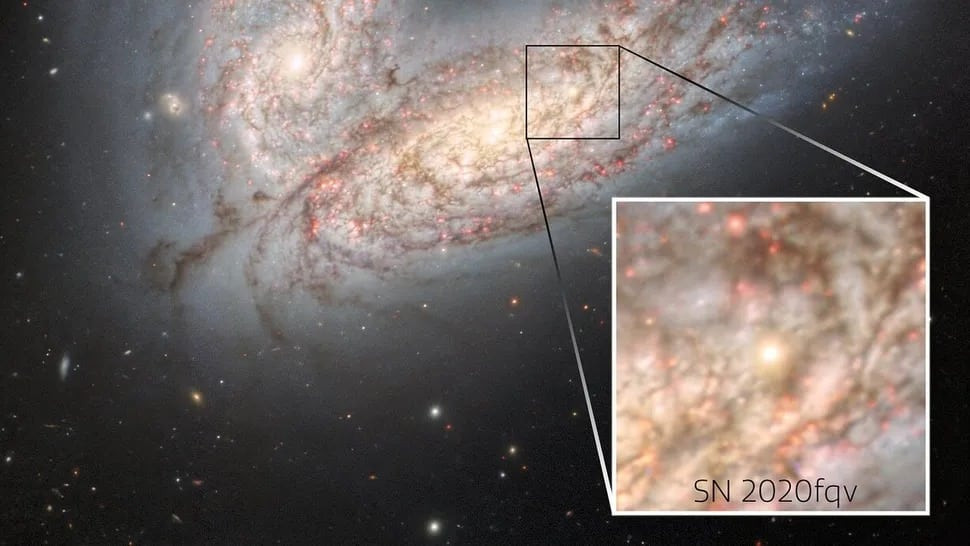
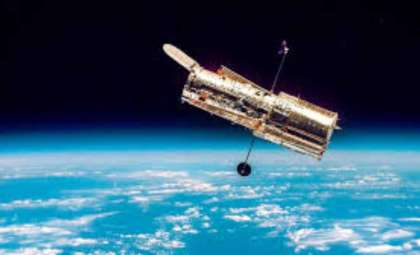
The Hubble Space Telescope followed up with in-depth imaging, enabling scientists to scrutinize the star’s final phases. These observations of SN 2020fqv and similar phenomena enhance astronomers’ ability to identify stars nearing a supernova event.
- Categories:
- Space








0 comments
Sign in to Comment