
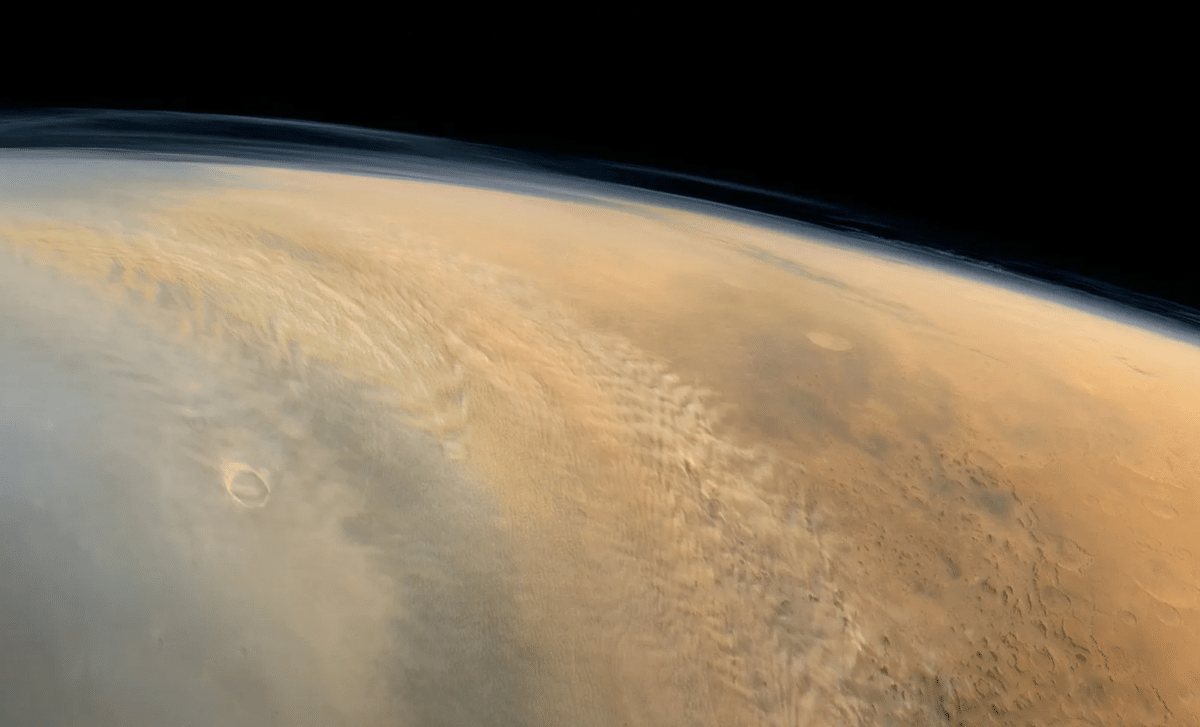
A group of scientists from Portugal has discovered that analyzing clouds on Mars might play a vital role in making future surface landings safer, according to their latest study featured in Journal of Geophysical Research: Planets. This research explores how the Red Planet's atmospheric layers impact landing procedures, providing critical information for upcoming robotic and human missions.
Using Martian Clouds to Improve Landing Techniques
Landing a spacecraft on Mars is among the most challenging feats in space exploration. Mars' sparse atmosphere offers limited aerodynamic resistance, forcing spacecraft to decelerate rapidly during descent. The Portuguese team is investigating the formation and dynamics of Martian clouds to gain insights into the atmospheric conditions future landers will face.
The study examines cloud development, motion, and interaction with the planet's atmosphere. These cloud formations reveal temperature fluctuations, airflow patterns, and changing environmental factors that influence descent dynamics. By refining atmospheric models, scientists aim to lower uncertainties encountered in landing maneuvers.

The research team focuses on atmospheric phenomena affecting missions as they approach the Martian surface. The insights gained could assist mission planners in choosing optimal landing times and enhancing forecasts for entry and touchdown conditions.
Francisco Brasil commented, “Landing rovers on Mars has been an immense challenge.” This reflects the persistent difficulty space agencies confront, where minor shifts in atmospheric parameters may critically impact mission success.
The Influence of Martian Clouds in Spacecraft Descents
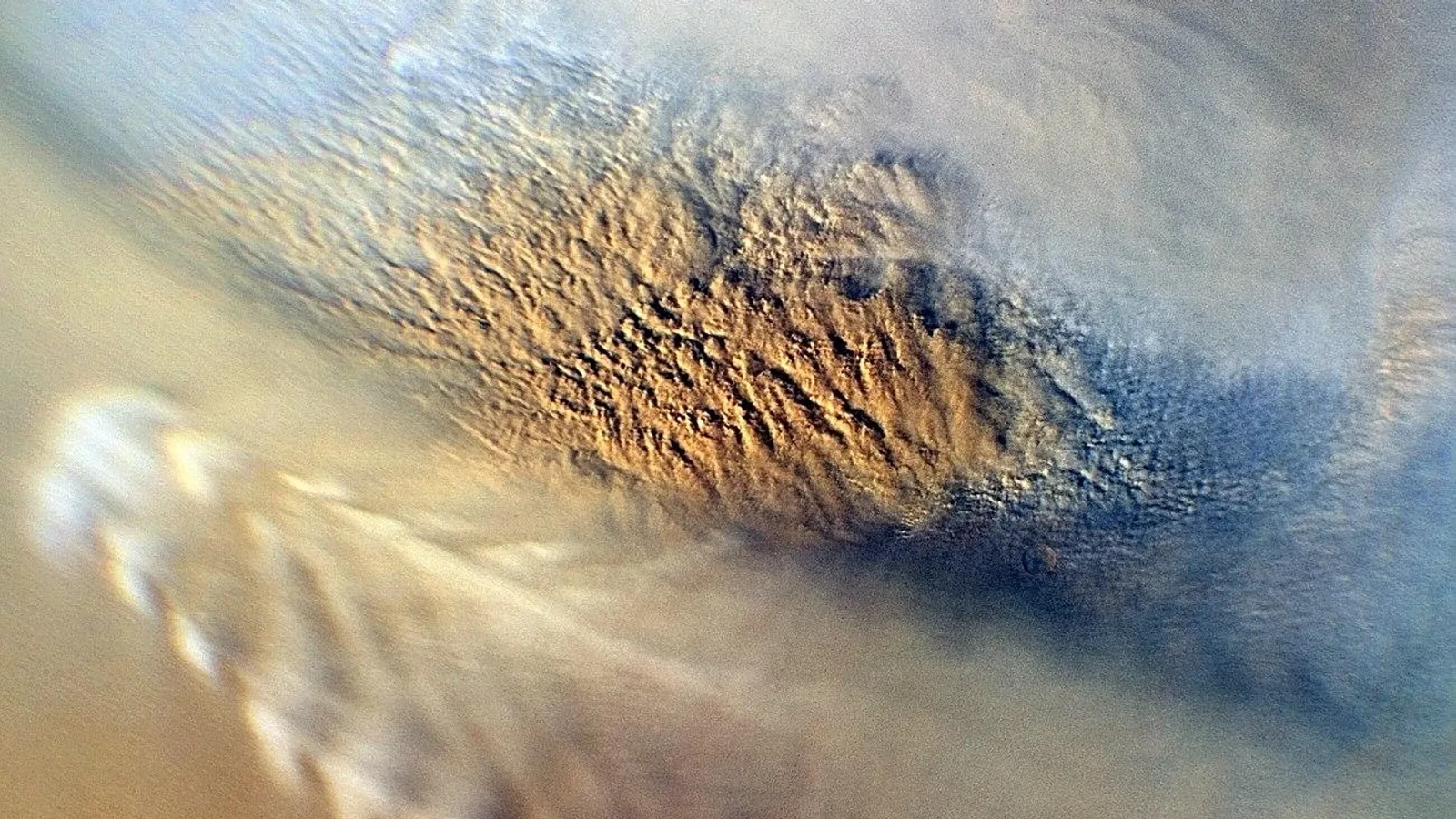
The article, published in Journal of Geophysical Research: Planets, investigates the subtle but significant role Martian clouds play in revealing atmospheric details. While much thinner than Earth's clouds, Martian cloud systems modulate scientific measurements and provide clues about atmospheric movement.
By studying cloud incidents, researchers track how energy traverses Mars' atmosphere. These variations affect air density, temperature distribution, and wind flow—key factors when engineering entry and landing systems.
For missions transporting rovers, instruments, or future astronauts, understanding atmospheric conditions before landing is critical. Current descent approaches use complex calculations, but enhancing knowledge of the atmosphere could improve landing reliability.
This study emphasizes combining orbital observations with atmospheric models. Accumulated data help build a comprehensive picture of Martian weather, enabling more informed mission approaches.
The Necessity of Advanced Atmospheric Forecasts for Mars Landings
Every successful touchdown on Mars depends on precise timing and maneuvering. Spacecraft must enter at ideal angles, endure intense heat, deploy parachutes punctually, and navigate final descent phases flawlessly. Even minimal miscalculations can cause catastrophic failures.
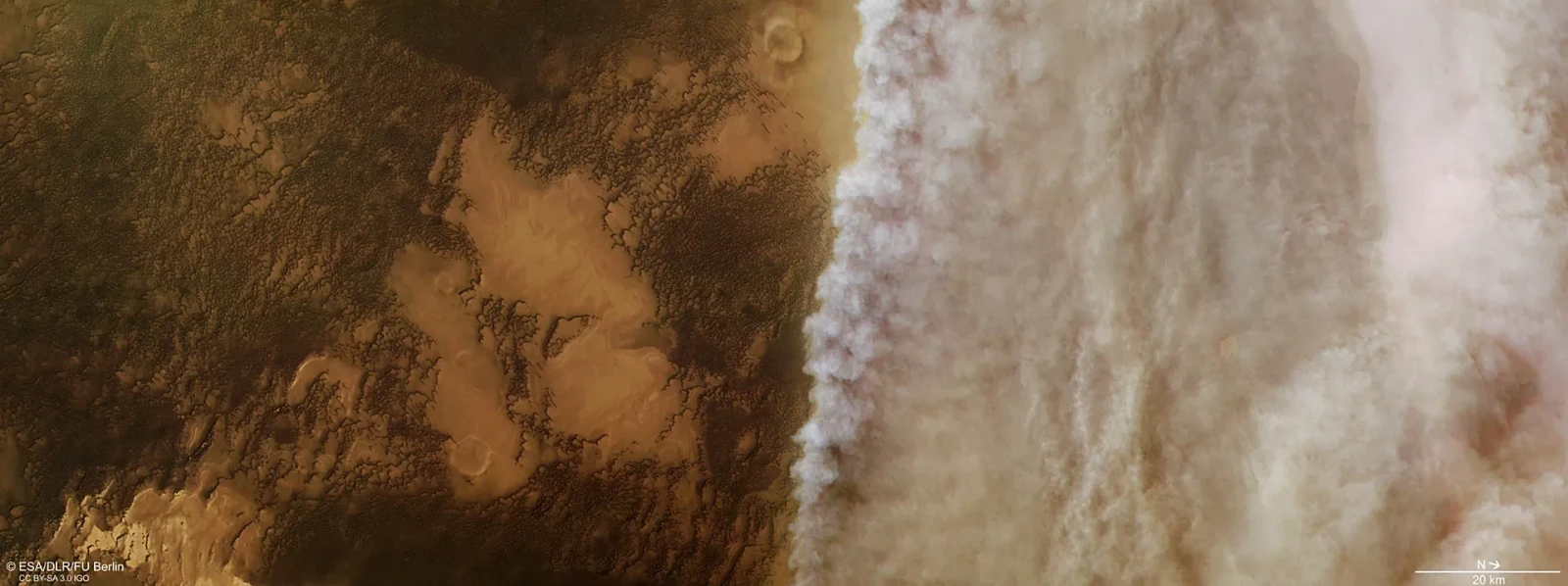
Studying cloud formations on Mars offers an extra vantage point to understand these complex processes. Clouds act as barometers for atmospheric shifts high above the surface and can improve simulation accuracy used in landing preparations.
As future projects involve larger robotic explorers and manned missions, superior atmospheric models become essential. Crew safety hinges on dependable environmental predictions during landing.
Through their work, Portuguese scientists contribute to a global effort to view Mars as a dynamic system. Their research confirms that minor atmospheric phenomena can supply vital intelligence for forthcoming missions.
Advancing Mars Exploration Through Atmospheric Insights
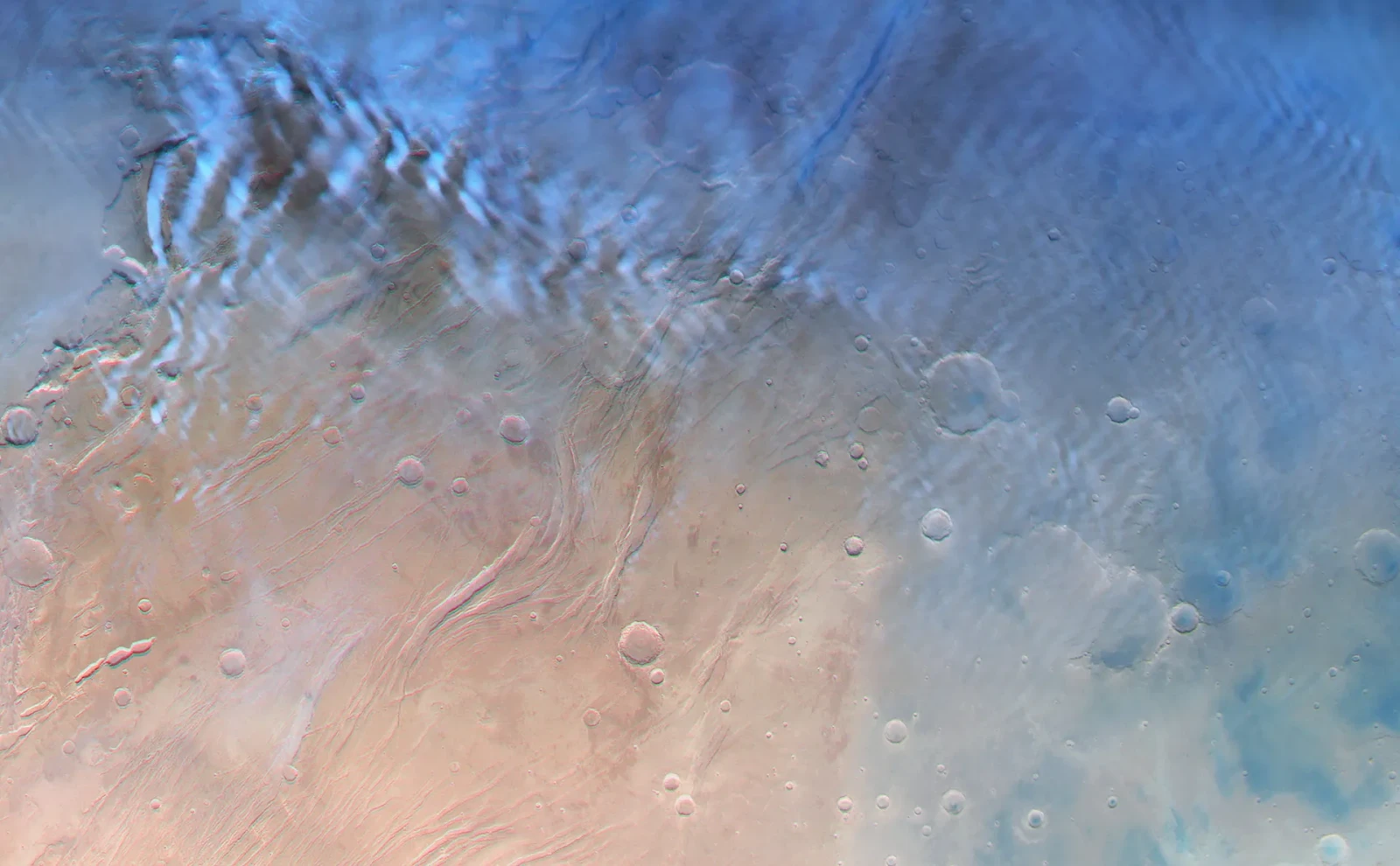
Investigations into Mars’ cloud systems highlight how research is expanding beyond surface-focused studies to tackle exploration challenges. Seemingly insignificant features can reveal evolving atmospheric conditions and interactions that spacecraft experience during descent.
Atmospheric research is becoming central to planning future missions, enhancing navigation, landing approaches, and surface operations through better understanding of Martian weather and climate phenomena.
With their findings, Portuguese researchers add crucial knowledge to the complex puzzle of Mars exploration. Their work moves the field toward more precise landings and improved mission success as humanity pursues the Red Planet’s mysteries.
- Categories:
- News






0 comments
Sign in to Comment